
China Corn Processing Machine Features That Improve Milling Efficiency
2026-11-16
Corn milling is no longer just about grinding harder or running longer hours; it is about how precisely each kernel moves through the process. In China, a new wave of processing equipment has shifted the conversation from raw throughput to measurable efficiency gains, and PINGLE sits at the center of that change. From degermination to finished grits, small design decisions now determine yield, energy cost, and product consistency. This post unpacks the machine features that actually move the needle, so you can judge equipment by what it saves and improves, not just by what it promises.
Keeping Roller Clearance Tight Without Crushing the Germ
Dialing in roller clearance is less about hitting one perfect number and more about knowing where the pressure lands. The gap has to stay tight enough to work the endosperm properly, yet not so tight that the germ gets pinched and torn. Once the germ breaks, oil can coat the roll surfaces and the next pass can turn gummy in a hurry, so the adjustment has to account for both grind quality and how the stock will behave after it leaves the nip.
A useful habit is to set the rolls by reading the gap at several points along the face rather than trusting a single end measurement. Feeler gauges or a dial indicator can get you close, but roll taper, bearing wear, and slight misalignment can make one edge tighter than the other. That tight edge is where germ damage usually begins, even when the average clearance looks well within range. Let the machine come up to operating temperature before final adjustment because heat can close the gap enough to shift a borderline setting into crush territory.
It also helps to watch the feed curtain before blaming the gap. A heavy or uneven feed will pack kernels at the edges and force the rolls to work harder in spots, which simulates the same damage as an overly tight setting. If germ breakage climbs while the measured clearance has not moved, reduce or redistribute the feed first. More often than not, keeping the germ intact is a matter of steady presentation and parallel rolls rather than chasing a smaller number.
Why a Steady Torque Curve Matters on Long Milling Runs
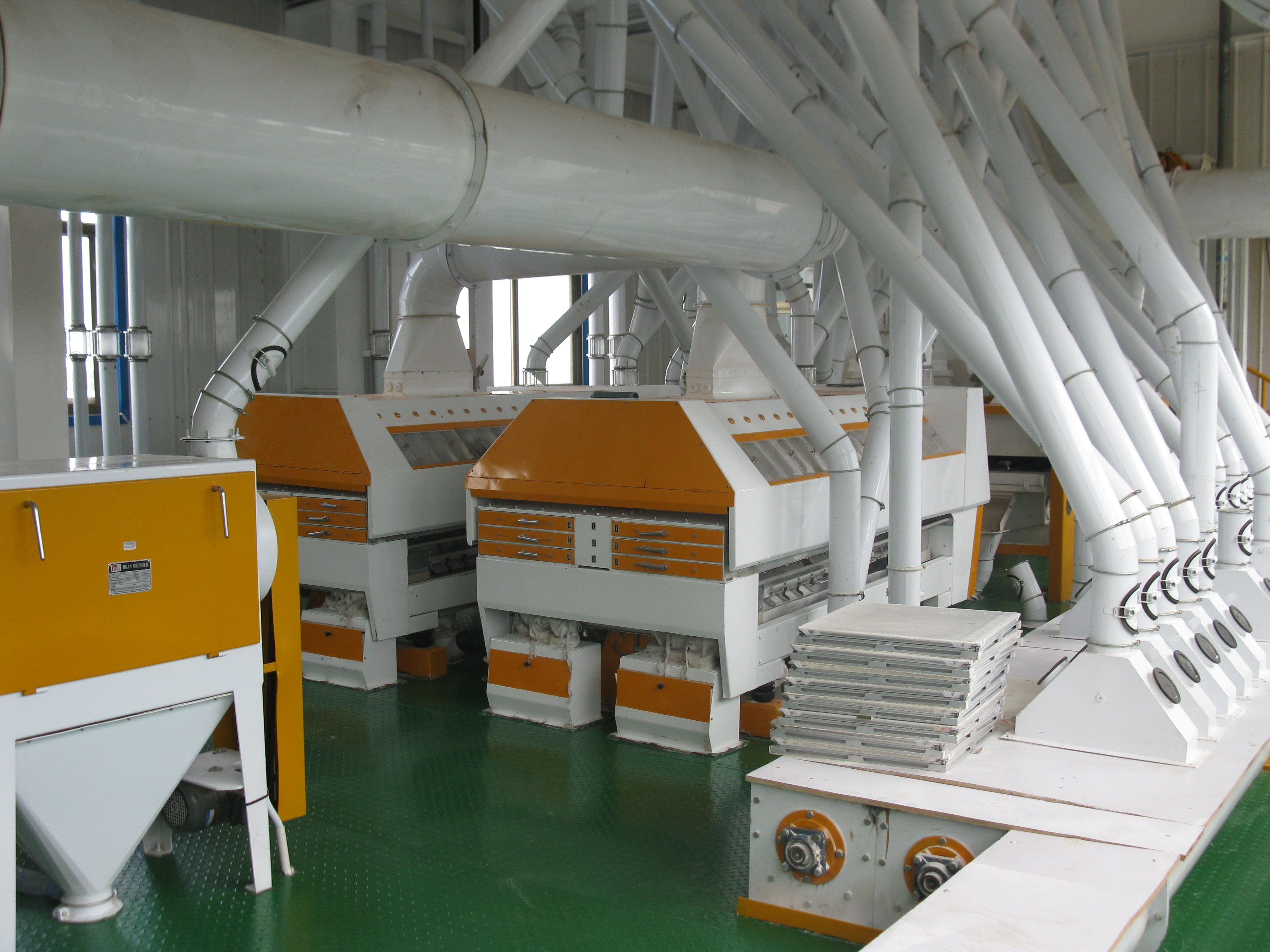
On long milling runs, torque that fluctuates even a few percentage points shows up as uneven pressure on the spindle bearings and cutter body. A steady curve keeps each cutting edge loaded in a predictable band, so the tool wears gradually instead of chipping or breaking at the weakest flute.
Thermal behavior is another side of the same issue. When torque stays consistent, the engagement time and chip thickness remain stable, which spreads heat more evenly through the tool and workpiece. That helps prevent local hot spots that can pull a part out of tolerance after the machine has been cutting for a couple of hours.
For longer runs, repeatability matters as much as immediate cut quality. A flat torque curve lets operators trust a proven feed and speed setup without constant offset tweaks, so surface finish and dimensional drift stay controlled from the first part to the end of the batch.
Gentler Degermination Steps That Leave More Whole Grits
The shift starts before the degerminator even fires up. Corn is conditioned with just enough moisture and resting time to loosen the germ without making the endosperm brittle or gummy. When the kernels hit the rotor, the setting stays low-impact: slower tip speed, wider clearance, and a light touch that peels the germ away instead of shattering the surrounding grit.
After the first pass, the stream moves to a short screening and aspiration sequence rather than aggressive milling. This catches the released germs early, so they do not get ground back into the grit. Whole hominy-size pieces stay intact because they are not forced through tight rolls or overworked in a second degerminating pass.
The result is a cleaner separation with fewer fines in the finished grits. Operators often notice the change in look and feel: grains hold their shape better in the bin, and the cook pot yields fluffier, more distinct grits instead of a pasty porridge.
Sifting Paths Designed to Stop Fine Material From Circling Back
Fine particles tend to circulate when a screen deck gives them a clear path back into the main material bed. The screen paths here are arranged to interrupt that loop, pulling undersize material into dedicated discharge lanes before it can settle into the oversize flow. Each drop-through zone is placed just ahead of the point where fines would otherwise turn upward, so the return path is effectively removed.
A shallow forward slope and staggered screening openings push the fine fraction sideways rather than letting it tumble straight back. That shift shortens contact time between already separated particles and the incoming feed. As a result, the undersize leaves the deck faster, there is less re-mixing at the discharge end, and the mesh stays cleaner over longer runs.
Hardened Rollers That Rarely Need a Grind
Hardened rollers get a bad reputation for being maintenance-heavy, but the truth is a properly treated surface holds up far longer than most shops expect. The heat treatment doesn't just add hardness for the sake of it—it changes how the roller wears under load, spreading contact stress instead of letting it dig in. That means the grinding schedule you used to dread can stretch from every few weeks to maybe once or twice a year, depending on the line speed and material.
What really cuts down on regrinds is the combination of deep case depth and a finish that resists micro-pitting. Instead of chasing small surface defects every shutdown, maintenance crews can focus on bearings and alignment while the rollers keep their profile. Some plants report running the same set for over eighteen months before any measurable taper shows up.
That said, not all hardened rollers are equal. Cheap induction hardening can leave soft spots or uneven transitions that start flaking early. If you want the “rarely need a grind” behavior, the roller needs a controlled heat treat and a post-grind polish that removes the brittle outer skin. It costs a bit more upfront, but you stop paying for downtime and grinding labor after the first year.
Small-Footprint Lines That Still Move Maize at Full Pace
Maize movement doesn't have to stop just because the plant footprint shrinks. Compact handling lines are now built around high-capacity chain conveyors and low-profile bucket elevators that keep grain flowing at rates once reserved for much larger installations. The trick lies in vertical stacking and tight transfer points, where every inch of elevation is used to maintain momentum without sacrificing access for routine checks.
One overlooked factor is the discharge sequencing. Small-footprint setups often pair a surge hopper above the cleaner with a metered intake below the dryer, allowing a steady feed even when upstream batches fluctuate. This buffer zone prevents the stop-and-go rhythm that kills throughput in cramped layouts. Operators quickly learn that steady state matters more than raw peak speed.
Maintenance walkways are also being redesigned rather than eliminated. Narrow grated platforms along the elevator legs and dropdown stair sections let service crews reach bearings and sensors without halting the line. In a tight floor plan, that kind of deliberate access keeps full-pace operation realistic beyond the first season.
FAQ
The roller gaps and feed rate are usually tied to an automatic load-sensing control. Instead of forcing grain through at a fixed speed, the drive adjusts to the hardness and moisture of the incoming maize. That reduces friction heat, which protects starch quality and lets the rollers stay sharp longer without slowing the line.
Many Chinese designs use a staged tempering step before the degerminator, so the endosperm and bran separate more cleanly. The degerminator itself often has adjustable impact paddles and perforated screens that can be tuned to different maize sizes. That gives a cleaner germ removal without crushing the germ into the meal.
Several machines include real-time moisture sensors at the inlet and a short conditioning screw. The control system compares the reading with the target profile and adjusts water addition or rest time automatically. This keeps the grain from becoming too brittle or too soft when it reaches the main mill, which is one of the less obvious reasons the milling efficiency stays stable day to day.
Most suppliers offer modular roller stands. You can swap between fluted and smooth rolls, change the differential speed, and adjust the gap without replacing the entire frame. That kind of flexibility matters when the same line has to switch between coarse grits and fine flour, because the machine can be reconfigured in a short window instead of forcing one setting to do everything.
Look at the bearing quality, the balance of the rotating assemblies, and the fit of the screen frames. Efficient units tend to use heavier, vibration-damped bases and dynamically balanced rollers. Small misalignments in cheaper copies cause uneven wear and extra power draw, so the energy saving disappears after a few months even if the initial output looks similar.
Screen perforation patterns and open area are matched to the product spec, not just selected at random. A good machine allows quick screen changes and keeps the screen frame under even tension. If the screen flexes or clogs, the sifting section becomes the bottleneck and the upstream roller mill has to slow down. So the screen design affects the whole line more than people expect.
Less than older batch-style systems. Once the incoming maize grade is set, the automated controls typically manage feed rate, roll gap, and pneumatic conveying pressure. Operators mostly monitor the control panel and handle changeover tasks. That reduces human error and keeps the milling efficiency steady across different batches and shift teams.
Conclusion
What sets many Chinese maize milling systems apart is the attention to how force reaches the kernel. Instead of simply closing the roller gap and hoping for the best, the better designs hold clearance tight enough to shear the endosperm cleanly while leaving the germ intact. That balance matters because a crushed germ releases oil into the meal and shortens shelf life. On longer runs the drive train is equally important. A steady torque curve keeps roller speed from sagging when the feed rate changes, so the mill does not drift into finer or coarser cuts as the day wears on. Gentler degermination stages built around controlled friction and staged aspiration pull the germ away without shattering the grits, which raises the share of whole grits rather than turning everything into flour. Hardened roller surfaces then protect those settings; they hold their profile long enough that operators are not constantly stopping to re-grind or re-set the rolls.
The rest of the line is designed to avoid working against itself. Sifting paths are arranged so fine material is removed early and directed to the correct stream instead of circling back through the same rollers, which wastes energy and creates inconsistent particle size. Even compact installations keep this sequencing intact. A small-footprint line can still move maize at full pace because the machine layout shortens material travel between degermination, milling, and sifting rather than stacking idle conveyors into the floor plan. The overall effect is a cleaner separation, fewer passes, and less heat buildup in the stock, all of which show up as better throughput for the space and power used. That combination of controlled nip pressure, stable drive behavior, early fines removal, and low-maintenance rolls is what tends to lift milling efficiency in practical, day-to-day operation rather than only on paper.
Contact Us
Contact Person: Jiakuo Wu
Email: [email protected]
Tel/WhatsApp: +86-13011566087
Website: https://www.pinglemachine.com