China Diesel Generator Insights for Buyers Seeking Reliable Power
2026-10-07
If you've ever sourced a diesel generator from China, you know the challenge: endless options, big claims, and little certainty. But reliable backup power shouldn't be a roll of the dice. This post cuts through the noise to share what seasoned buyers actually check before signing off—from engine pedigree to load testing—and why DINGBO POWER keeps earning a spot on the shortlist. Stick around if you'd rather have a workhorse than a question mark.
What a $2,000 Price Difference Actually Buys You in a Chinese Diesel Generator
Most buyers assume the extra money goes toward a bigger engine or a well-known brand sticker. In reality, a $2,000 gap on similarly rated Chinese diesel generators usually shows up in the alternator’s copper content, the thickness of the steel canopy, and whether the control panel uses genuine Deep Sea or ComAp modules instead of cloned knockoffs. A cheaper unit might still start and run, but the voltage regulation tends to drift under load, and the wiring inside often relies on thinner insulation that gets brittle after a year of heat cycling.
That price difference also determines how much of the assembly was actually quality-checked. On lower-cost units, you’ll frequently find loose bolts, unpainted weld seams, and radiators sized for a smaller engine. The more expensive generators usually include load testing before shipment, better vibration dampening, and a fuel system that won’t leak from the first injector line. You’re not paying for luxury; you’re paying for a machine that doesn’t need constant re-torquing and zip ties to stay intact.
Finally, the extra money shows up after the sale. A $2,000 step up typically means you can actually reach a human for parts diagrams, get replacement filters that fit without modification, and avoid waiting weeks for a container shipment from a vendor that disappears. Cheap generators are disposable; the mid-tier ones are built to be serviced, and that difference alone can save you the entire price gap within the first year of heavy use.
Reading Between the Lines of a Generator Spec Sheet
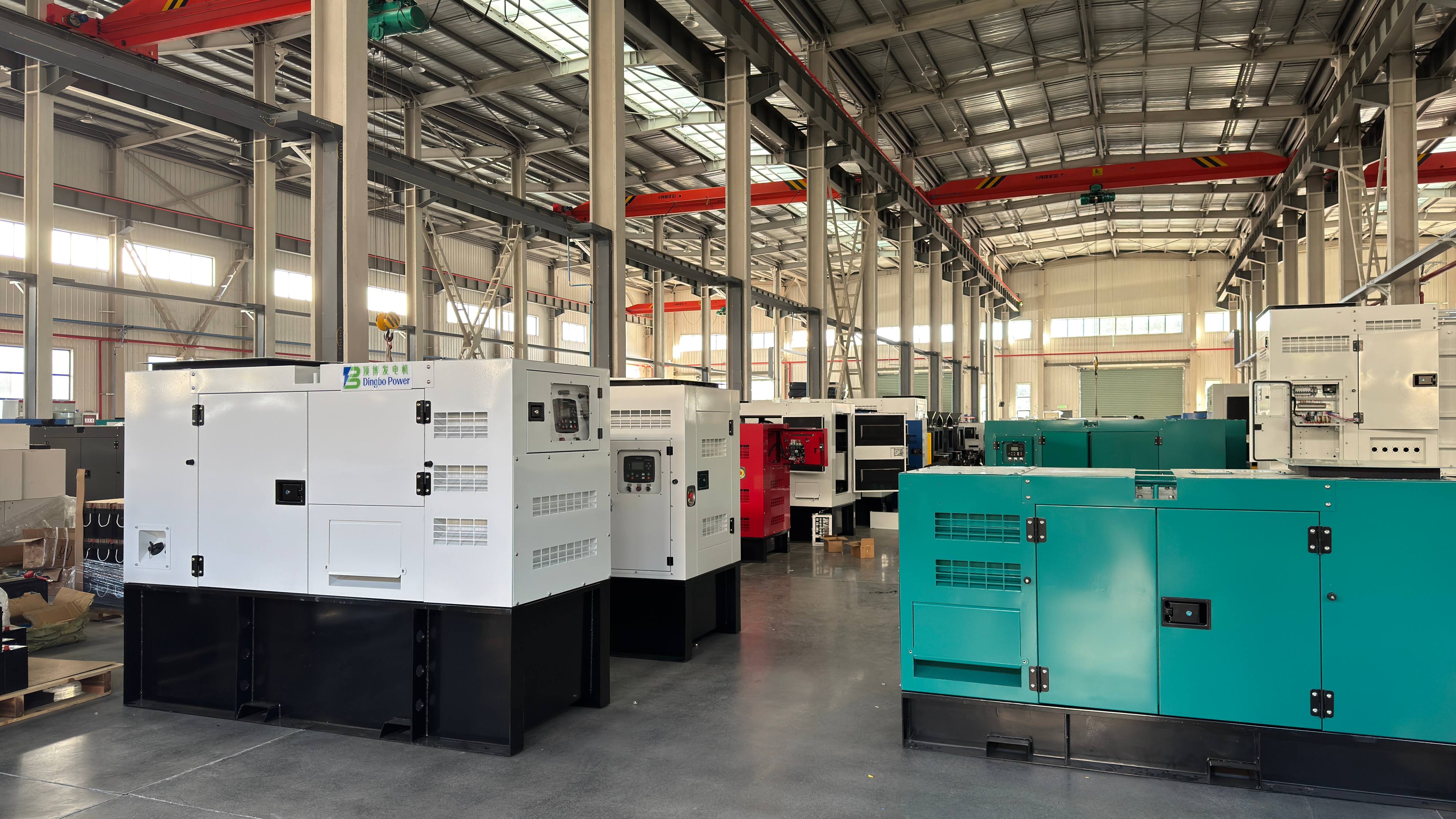
A spec sheet rarely tells the whole story. The headline wattage is often a peak surge number, while the continuous rating sits 10-20% lower. Check the ambient temperature and altitude notes: a generator rated at sea level and 25°C can lose 3-5% output per 1,000 feet of elevation and another few percent in hot weather. If the manufacturer buries derating curves in a footnote, that's your first clue the “10 kW” unit may only deliver 8.5 kW on a summer afternoon at 6,000 feet.
Fuel consumption figures are usually given at 50% or 100% load. What they omit is no-load or quarter-load burn rates, which matter if you're using the generator intermittently. Noise specs are another playground: 65 dB(A) at 7 meters from a low-idle test is not the same as 65 dB(A) at 23 feet under full load. Look for the measurement distance, load level, and whether the rating is LwA (sound power) or LpA (sound pressure). If two sheets claim the same decibels but one omits the distance, assume it's louder.
Check the fine print on outlet types and voltage regulation. A “120/240V” label doesn't mean every receptacle can deliver full rated output at once. Some units limit the 240V twist-lock to 70% of total capacity, or derate when both legs are unevenly loaded. Also, total harmonic distortion (THD) below 6% is fine for tools but may upset inverter electronics if it's closer to 10-12%. And warranty language reveals confidence: a 3-year commercial warranty often excludes rental or standby use, while a 5-year residential warranty may only cover the alternator, not the engine. If the manual says “specifications subject to change without notice,” expect that the unit you buy may not match the sheet in every detail.
Factory Visits, Video Audits, and Other Ways to Verify a Supplier
Walking a factory floor still reveals more than any questionnaire ever will. Pay attention to the pace of work, the condition of machinery, and whether workers seem rushed or comfortable. A quick conversation with a line operator often uncovers details that management glosses over, like last-minute schedule changes or which materials are actually in stock.
Video audits have become a practical stand-in when travel isn't possible. Ask for a live walkthrough rather than a pre-recorded tour, and make sure the camera lingers on serial numbers, raw material storage, and the packing area. Unstable connections and sudden angle shifts can hide problems, so request a second pass through any spot that looks unclear.
Beyond the obvious, third-party inspection firms, lab testing of pre-shipment samples, and direct calls to a supplier's other clients often expose red flags that a single visit misses. Cross-checking certifications against issuing bodies is another low-effort step. Combining two or three of these methods tends to give a much sharper picture of who you're actually dealing with.
The Most Overlooked Cause of Generator Failure After Import
When a generator arrives from overseas, the first checks usually focus on physical damage, fluid levels, or battery charge. Yet many operators miss a silent killer that only shows up weeks later: incompatible fuel system seals and hoses. Generators manufactured for one market often use rubber compounds rated for specific fuel blends. After import, local fuel with higher ethanol or biodiesel content can slowly degrade those materials, leading to air leaks, clogged filters, or sudden pressure loss at the injectors.
This problem rarely triggers an immediate alarm. The generator starts fine, runs under light load, and passes initial testing. But as degraded seal particles circulate, they lodge in narrow fuel passages. The engine begins hunting for RPM, emits black smoke under load, or shuts down without warning. By then, the damage is already done—replacing just the seals isn't enough; the entire fuel rail and injector lines often need flushing or replacement.
A practical way to avoid this trap is to verify the generator's original market specification before first start. Check whether the fuel system components are compatible with local fuel standards. If not, replace all rubber seals, O-rings, and flexible hoses with materials rated for your specific fuel blend. This small upfront cost is nothing compared to a mid-outage failure or a voided warranty claim caused by fuel incompatibility.
How Engine Brand Choice Shapes Long-Term Reliability
Engine brand choice often determines long-term reliability more through engineering priorities than badge prestige. Some manufacturers overbuild bottom ends and under-stress block castings, leaving headroom for neglect; others chase fuel economy with thinner walls and tighter tolerances that leave less room for thermal cycling. The difference shows up after 120k miles when gaskets, timing components, and oil consumption separate designs that tolerate wear from ones that punish it.
Parts availability and shared platforms further shape reliability. A brand with a modular engine family used across several models keeps replacement components cheap and mechanics familiar years later. Conversely, low-volume or short-lived powertrains create orphaned parts, limited aftermarket fixes, and higher labor costs when something fails outside warranty. Brand choice therefore locks in not just the engine's initial quality but its repair ecosystem over a decade.
Even the same displacement can produce wildly different longevity depending on brand calibration. A detuned workhorse tuned for torque rather than peak output often runs cooler and lasts longer than a high-strung variant with aggressive boost and lean fueling. Buyers who select a brand known for conservative tuning and robust cooling typically see fewer heat-related failures, even if the horsepower numbers look less impressive on paper.
Navigating Shipping and Customs Without Losing Your Mind
The first time you stare down a stack of customs forms, it feels like someone handed you a pop quiz in a language you never studied. The trick is to stop treating shipping like a mystery and start treating it like a recipe: break it down into steps, gather your ingredients, and don't skip the fine print. Start by knowing exactly what you're sending, because vague descriptions like "gift" or "samples" invite delays. Write down the actual contents, their value, and their purpose. Yes, it's tedious. But ten minutes of honest paperwork now beats a week of your package sitting in a warehouse while someone decides whether to open it.
Customs officers aren't out to ruin your day; they're out to catch mistakes, and mistakes happen when people rush. Before you seal the box, double-check the destination country's restricted items list. Something as innocent as a wooden souvenir or a bottle of hot sauce can trigger holds, fees, or outright rejections. Also, don't guess on declared value—use the actual purchase price or fair market value. Under-declaring to save a few dollars on duties is a gamble that rarely pays off, and over-declaring just makes you pay more than you should. When in doubt, round up to the nearest dollar and keep your receipts handy.
Finally, give yourself a buffer. Shipping times are estimates, not promises, and "express" doesn't mean "customs-proof." If you need something to arrive by a certain date, add at least three to five business days for clearance, more during holidays or if the destination is known for slow processing. Track your package, respond quickly to any requests for extra information, and remember that patience is a legitimate part of the process. Once you've done it a few times, you'll stop losing sleep over the label printer and start wondering why you ever stressed so much.
FAQ
Look for evidence of in-house assembly, a real test bay, and traceable engine and alternator serial numbers. Ask for a video of your actual unit being load-bank tested before shipment, not just a brochure certificate. A supplier that hesitates on those points is usually sourcing finished sets from someone else.
For most commercial or residential standby use, focus on ISO 8528 for the generator set, CE marking if you're in Europe, and EPA or equivalent for the engine if North America matters. Don't chase every certificate; demand the specific test reports that match the model and serial number you're buying.
Some are, but you need to match the engine platform to the duty cycle. Brands like Weichai, Yuchai, and SDEC have models designed for heavy continuous work, while many cheaper sets use automotive-derived engines that wear fast under constant load. Ask for the engine's rated prime power, not just standby power, and confirm the alternator can handle sustained heat.
A realistic rule is to keep 5-8% of the purchase price per year for filters, belts, injectors, and wear items. Confirm whether the supplier offers an English parts manual and ships common spares in the same container, because waiting six weeks for a single hose is what actually causes downtime, not the generator itself.
Insist on a detailed datasheet showing both the engine's mechanical output and the alternator's electrical output at your required ambient temperature and altitude. Many cheap quotes pair a 50 kW engine with a 60 kW alternator label, which works on paper but fails under real heat. Ask for a derating chart and a witnessed factory test if possible.
Containerized sets usually cost more but survive dust, rain, and rough handling better, and they're easier to secure. Open-frame units are cheaper and easier to service in a controlled yard, but they need a shelter and often lack proper sound attenuation. For sites with moving equipment, the containerized version pays for itself in reduced damage and theft.
Imported alternators tend to have better voltage regulation under sudden load changes and longer brush or bearing life, but Chinese brands like Farrand or Marathon China have improved a lot. If your loads include motors or medical equipment, spend extra on a known alternator brand; for simple lighting or resistive loads, a good domestic alternator is usually fine.
For a standard open-frame set under 200 kW, allow 25-35 days for production plus shipping time. Custom enclosures, synchronization panels, or special paint can push that to 50-70 days. Always confirm the factory's current order backlog, because Chinese holidays and export peaks in spring and fall can add two or three weeks without notice.
Conclusion
A $2,000 price gap between two Chinese diesel generators rarely signals a bargain. It usually reflects differences in copper winding weight, frame thickness, alternator build quality, and whether the control panel uses branded or generic components. The cheaper unit often skips the load-bank test or uses a smaller radiator, which shows up later as overheating or unstable voltage under real load. Reading a spec sheet demands attention to prime power versus standby power and the ambient temperature the rating assumes. Many buyers miss that a 100 kVA rating at 25°C drops significantly at 40°C, which is common for many sites. Factory video audits are more useful than polished brochures: ask for a live walk-through of the winding line, a running generator with a load bank connected, and the serial number of the exact unit before payment. If they hesitate on any of these, treat that as a red flag.
Engine brand choice shapes long-term reliability more than any other single factor. A Perkins or Cummins engine tends to hold up better in dusty or high-hour conditions than an unbranded clone, but even a well-known brand won't save you from poor installation or bad fuel after import. The most overlooked cause of generator failure after import is not the generator itself—it's the fuel system and cooling setup on arrival. Water in diesel and an undersized fuel line can destroy injectors within weeks. Shipping and customs also create headaches if the bill of lading, packing list, and commercial invoice don't match exactly down to the model number. Spend time double-checking paperwork and considering a third-party inspection before the container leaves the port. That upfront effort costs far less than discovering seized parts or a missing radiator cap after the unit is already in your warehouse.
Contact Us
Contact Person: Rita
Email: [email protected]
Tel/WhatsApp: +8613481024441
Website: https://www.dbdieselgenerator.com/