
China Electric Wheelchair Models for Comfortable Independent Mobility
2026-10-28
Stuck between four walls because your chair can’t handle a curb? That frustration is exactly why China’s newest electric wheelchair models deserve a closer look. Over the past decade, manufacturers in the region have shifted from basic motorized chairs to genuinely comfortable machines built for real independence—think pressure-relieving cushions, whisper-quiet motors, and batteries that outlast your longest errands. This guide will walk you through what separates a forgettable ride from a daily companion. And if you’re curious how a brand like Freedomchair fits into that picture, you’re in the right place.
Ergonomic Seating That Supports Your Spine on Every Ride
Most seats treat your back like an afterthought—flat, rigid, and quick to fatigue. This one is different. The contour follows the natural S-curve of your spine, distributing pressure evenly instead of forcing your lower back into a hollow slump. On long rides, you won't find yourself shifting every few minutes just to relieve a dull ache. The support is quiet and consistent, almost as if the seat was shaped around you rather than the other way around.
What surprises riders most is how much less tension they carry in their shoulders and hips. Because the pelvis is tilted just slightly forward, your torso stays stacked and relaxed. There's no fighting the seat to stay upright. Even after hours on rough pavement, the usual tightness between the shoulder blades simply doesn't show up. It's a subtle change in geometry that makes a noticeable difference by the time you dismount.
The foam layer deserves its own mention. It's dense enough to support without collapsing, yet soft enough to absorb vibration from chip-seal roads and expansion joints. The cutout through the middle isn't just for show—it removes pressure from sensitive areas while letting air circulate. In practice, that means fewer numb spots, less sweating, and a seat you don't think about at all. And when a saddle disappears from your awareness, you know it's doing its job.
Responsive Controls That Feel Like an Extension of Your Hand
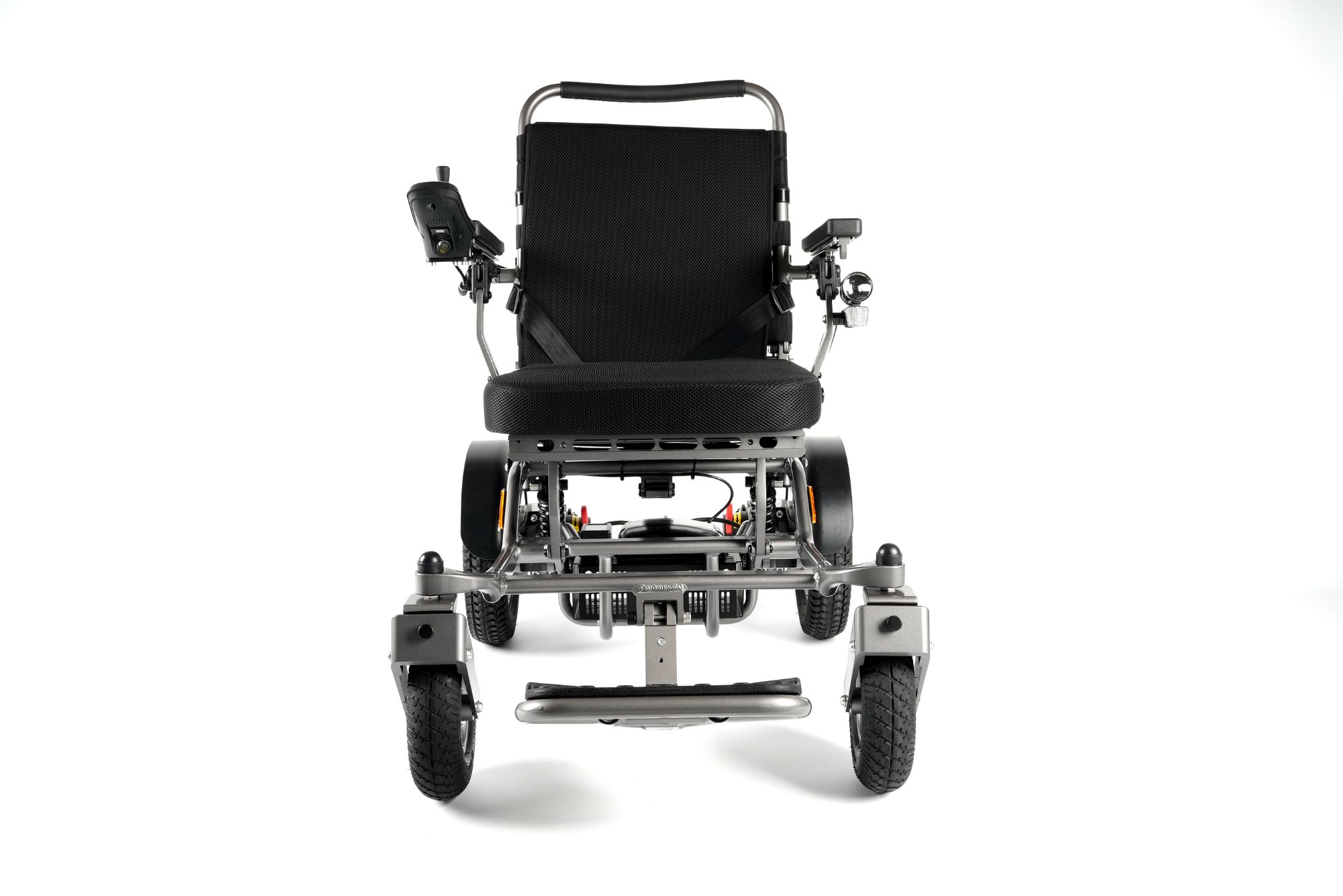
There's a certain kind of frustration that comes from fighting your own tools. A button that hesitates, a slider that stutters, a touch response that arrives half a beat too late — these small failures break the flow between thought and action. But when the controls are truly responsive, something else happens. The interface stops being a separate object you operate. It starts to respond like part of your own body, translating intention into motion with no perceptible gap.
This sense of direct manipulation doesn't happen by accident. It comes from tuning input latency down to the threshold of human perception, where a swipe feels like you're dragging a physical object and a tap lands as instantly as a finger snap. The best responsive systems also respect the nuances of pressure, velocity, and direction, letting you flick, squeeze, or glide with the same casual precision you'd use on a well-worn instrument. It's not about adding more features — it's about removing every layer of friction until the tool disappears and only the action remains.
When you reach that level, using the device feels less like operating machinery and more like extending your hand into the digital space. You stop thinking about how to do something and just do it. That's the real test of a responsive control system: not whether it can follow your commands, but whether you forget you're giving commands at all.
Compact Frames That Fold Down Without Wrenching Your Back
Most foldable designs force you into an awkward crouch just to break them down. This one puts the release mechanism right at hand height, so the entire frame collapses with a simple pull while you stay upright. No more kneeling on hard floors or straining to reach a latch near the ground.
The folding action itself is balanced to do most of the work for you. Instead of fighting gravity or wrestling with stiff joints, the frame glides down smoothly thanks to a counterweighted hinge system. You guide it with one hand, and the legs tuck in neatly behind the main panel. Even after repeated use, the motion stays fluid rather than turning into a two-person job.
People with lower-back issues often abandon foldable furniture because setup and takedown hurt more than the item is worth. This design removes that trade-off. You simply stand, release, and let the frame settle into a slim profile that slides against a wall or into a closet. Whether you're in a small apartment or setting up for a weekend market, the convenience actually holds up in daily life.
Range That Covers More Than Just the Corner Store
When most people think of a local shop, they picture a cramped corner store with limited shelves and a narrow selection. But the range we offer goes far beyond that familiar image. From everyday essentials to specialty items you'd normally hunt for across multiple stores, our catalog brings together an unexpected variety under one roof. Whether you need a last-minute ingredient, a hard-to-find tool, or a thoughtful gift, the breadth of what we carry means you're not confined to the basics.
What really sets this range apart is how it stretches into categories that small shops typically ignore. Think seasonal gear, small electronics, artisanal pantry staples, even home repair odds and ends. Instead of making three stops, you can often find everything in one place. That wider net doesn't just save time—it changes how you plan your day, your week, even your errands. You stop thinking about what a corner store can't do and start relying on what this one actually can.
It's not about being a massive warehouse, either. The selection stays curated, with an eye toward what people in the neighborhood genuinely ask for, plus a few surprises worth discovering. The result is a range that feels personal but never limiting. You get the convenience of a nearby shop, paired with a depth of inventory that makes you wonder why every corner store doesn't do the same.
Customizable Fit Options for Different Body Types
Finding clothes that actually fit off the rack can feel like a losing game when your shoulders, waist, and hips each follow a different size chart. That’s where customizable fit options step in. Instead of settling for a single rigid cut, these designs let you tweak key measurements—adjustable waistbands, removable straps, extendable hems, or side tabs that pull in extra fabric where you need it. The result is a silhouette that follows your shape rather than forcing your shape into someone else’s pattern.
What makes this approach work for different body types is the emphasis on balance, not symmetry. A person with broader shoulders and narrow hips might widen the lower half with a flared panel, while someone with a fuller bust can add darts or adjust the bodice length without altering the rest of the garment. Even small changes—like moving a button or shortening a sleeve—turn a generic piece into something that feels made for you.
The best part is that these adjustments don’t require a tailor or a sewing machine. Many customizable pieces use hidden elastic, snap systems, or fold-over cuffs that let you modify the fit in seconds. You get the polished look of tailored clothing with the freedom to adapt it as your body changes from season to season, or even day to day.
Whisper-Quiet Drives for Early Morning Errands
There’s something almost meditative about gliding through empty streets before sunrise, the only sound being the soft hum of tires on damp asphalt. No engine rumble, no exhaust bark—just a serene start to the day’s first trip.
Early errands often mean leaving the house while others are still asleep. A whisper-quiet drive means you can back out of the driveway, close the garage, and roll down the block without that cold-start clatter waking the neighbors or even the dog. It’s the kind of courtesy that doesn’t request attention, it simply becomes a habit.
This level of quiet isn’t just about being polite—it changes the feel of the drive itself. You notice the barista’s first espresso machine hiss, the way the traffic lights click through their cycle, the soft creak of the bakery’s delivery van. The morning stays yours, unhurried and unbroken.
FAQ
Focus on seat cushioning depth, adjustable backrest angle, padded armrests, and a suspension system that absorbs bumps. Models with wider seats and swing-away footrests also reduce pressure points during long periods of use.
Many models use a combination of solid front wheels and larger rear wheels with air-filled or foam-filled tires. Indoor use on tile or wood is smooth with precise joystick control, while outdoor paths, sidewalks, and light gravel are manageable when the chair has a rear suspension or anti-tip wheels.
Yes, several models use aluminum alloy frames and detachable lithium batteries. A chair weighing around 22 to 28 kilograms can still deliver 15 to 25 kilometers per charge, making it practical for daily errands without sacrificing portability.
Most chairs use 24 volt lithium battery packs, typically 10Ah or 20Ah. A full charge takes between 4 and 8 hours depending on the charger. Many batteries are removable, so you can bring them indoors for charging without moving the whole chair.
A growing number of Chinese models feature a folding frame or a quick-release battery and fold-down backrest. Some can be broken into lighter pieces in under a minute, fitting into a standard car trunk without tools.
Look for electromagnetic brakes that engage automatically when the joystick is released, anti-tip rear wheels, a seatbelt, and a speed limiter. A controller with soft-start acceleration and a manual brake release for pushing is also important.
Entry-level models with basic features often cost between 600 and 1000 US dollars. Mid-range chairs with better seating and longer battery life run from 1200 to 2500 dollars. High-end all-terrain or standing models can exceed 3000 dollars.
For widely sold models from established manufacturers, replacement batteries, controllers, tires, and chargers are available through online marketplaces and regional distributors. Checking for standard connector types and common wheel sizes before purchase makes future repairs simpler.
Conclusion
For anyone who relies on a power chair to move through the day, the latest electric wheelchair designs from China have quietly changed what comfort and independence can mean. The seating isn't just padded—it's shaped to support the natural curve of your spine, so even longer rides don't end in lower-back fatigue. Controls sit right where your fingers expect them, with joysticks and touch pads tuned to feel almost like a natural extension of your hand rather than a separate device you have to fight. And when it's time to load the chair into a car or tuck it by the front door, many of these models fold down with a simple motion that doesn't ask you to wrench your back or call for help.
That everyday ease carries over into where you can actually go. A single charge on many Chinese electric wheelchairs now covers far more than a trip to the corner store—think full days out, from morning appointments to evening visits with friends. Because bodies come in different shapes, manufacturers offer adjustable seat widths, armrest heights, and footplate positions so the chair can be tailored to you instead of the other way around. The drive motors run whisper-quiet too, which means early morning errands or late-night moves through the house won't announce themselves to the whole neighborhood. Put those details together and you get a mobility tool that feels less like a machine and more like a reliable partner for whatever your day holds.
Contact Us
Contact Person: Calvin Fan
Email: [email protected]
Tel/WhatsApp: 8618913265607
Website: www.freedom-chair.com