
China Non Woven Shopping Bag Trends Reshaping Eco-Friendly Retail
2026-09-07
Plastic bans are old news. The real story in eco-friendly retail is unfolding in China, where non-woven shopping bags are evolving from simple reusable totes into high-tech, brand-building tools. From antimicrobial fabrics to embedded QR codes that track a bag’s entire lifecycle, these trends are quietly rewriting how retailers approach sustainability. At the center of this shift is CHALLENGE WOLVES, a manufacturer pushing the boundaries of what a shopping bag can do. But what specific innovations are driving this change, and how can your brand stay ahead of the curve?
Guangdong’s non-woven bag lines quietly became the backbone of global reusable retail
For years, the sprawling industrial clusters of Guangdong have been synonymous with electronics, garments, and plastic goods. Yet tucked among the more glamorous export lines, a quieter revolution has been stitching together the fabric of global retail’s green shift. Non-woven bag production—once a side hustle for small workshops—has evolved into a sophisticated, high-volume engine that now supplies a staggering share of the world’s reusable shopping bags, tote bags, and promotional carriers.
Walk through any major supermarket in Europe, North America, or Southeast Asia, and the sturdy, polypropylene-based bag in your hand likely began its life in a factory between Shenzhen and Guangzhou. These lines run around the clock, churning out millions of units daily, yet they rarely make headlines. The secret lies in Guangdong’s unmatched ability to combine low-cost labor, rapid prototyping, and just-in-time logistics. A brand can send a design on Monday, approve a sample by Wednesday, and have a container loaded by Friday—a turnaround that keeps global retailers hooked on this unassuming province.
What makes Guangdong’s non-woven bag sector truly indispensable is its quiet resilience. When tariffs shifted and raw material prices fluctuated, these manufacturers adapted—switching from virgin to recycled polypropylene, tweaking stitch patterns for durability, or adding water-based inks to meet tightening environmental standards. No single factory dominates; instead, a dense network of mid-sized producers competes fiercely on price and quality. The result is a backbone that global reusable retail leans on without ever seeing: a supply chain so woven into daily commerce that its absence would unravel shelves from Toronto to Tokyo.
Plastic bans met Chinese manufacturing speed, and the checkout aisle shifted overnight
In the span of a few months, a regulation that once seemed impossible became ordinary. Supermarket chains swapped woven polypropylene totes for paper bags, and counter staff learned to ask “do you need a bag?” with the same reflex as scanning a barcode. The change didn’t arrive with a marketing campaign or a consumer education drive; it simply appeared, shelf by shelf, like a new SKU rolling out across a thousand stores at once.
What made the shift feel sudden was the machine behind it. Chinese manufacturers had already retooled lines for biodegradable films and thicker reusable plastics months before the policy took effect. When the deadline hit, inventory was waiting at distribution centers. A checkout counter in Shenzhen and a corner shop in Chengdu both ran out of old bags within the same week, and both restocked with new ones the next day.
Customers barely paused. A few grumbled about the two-cent fee, then folded a reusable bag into a pocket. The aisle that once held stacks of flimsy white bags now held nothing at all—just a sign reminding shoppers to bring their own. It was less a revolution than a quiet adjustment, the kind that happens when policy, production, and habit align at the speed of a supply chain.
Recycled PET and bamboo fiber turned a simple tote into a material science story
Most totes are just stitched rectangles of cotton or canvas, but this one starts with bottle flakes and bamboo pulp. The recycled PET brings a crisp, slightly technical hand feel, while the bamboo fiber adds a soft dry touch and natural breathability. Blending them isn't as simple as tossing both into a hopper—the melting points and moisture uptake differ enough that the spinner had to adjust the draw ratio and twist level to keep the yarn from slubbing or snapping.
What emerges is a fabric that contradicts expectations. It has the durability and crease resistance of polyester, yet it drapes more like a lightweight linen and doesn't cling with static. The bamboo content also wicks sweat away from the body, so the tote feels cool against your side on a hot day, even when loaded with groceries. Over time, the surface develops a subtle patina instead of pilling, which gives each bag a lived-in character rather than a worn-out look.
From a sourcing perspective, this material pairing turns a throwaway accessory into a quiet statement about circularity. The rPET keeps single-use bottles out of landfills, while bamboo grows fast without irrigation or pesticides. Together they form a yarn that's easy to care for, holds prints well, and weighs less than an equivalent cotton tote—so you're carrying your stuff with a fraction of the fiber footprint.
Retailers stopped treating bags as packaging and started designing them as brand extensions
For decades, the bag was an afterthought—a thin, logo-stamped piece of plastic or paper meant to survive the walk from checkout to car. It lived in a back room, ordered by the pallet, chosen for cost per unit rather than visual weight. But somewhere along the way, retailers realized that every bag handed across the counter was a tiny billboard moving through the world. Not just a vessel, but a walking advertisement that customers voluntarily carried into restaurants, offices, and subway cars. That shift in thinking turned packaging into a creative brief: if the bag is going to exist anyway, why not make it worth looking at?
The result is a quiet arms race in tactile and visual design. Coated papers with a soft matte finish, rope handles dyed to match the store's seasonal palette, interior patterns that reveal themselves only when the bag is opened—these details signal that the brand knows you're paying attention. Some retailers commission limited runs from local illustrators; others emboss a subtle texture that mimics the stitching on their best-selling leather goods. The bag has become a product in its own right, one that customers photograph against a coffee shop table or save for re-use because it feels too substantial to throw away.
This isn't just about aesthetics. A well-designed bag extends the in-store experience beyond the exit, turning a transaction into a reminder. When someone carries a beautifully constructed bag past a dozen strangers, the brand isn't paying for that exposure—the customer is voluntarily providing it. And for the retailer, that changes the math. Spending an extra twenty cents per bag no longer looks like a cost to cut, but a media buy with a 100% open rate. The packaging has stopped being packaging. It's now the most portable piece of the store itself.
A 30-cent bag that survives 100 trips is redefining what durability means in retail
A 30-cent plastic bag that holds up through a hundred grocery runs is forcing retailers to rethink what 'durable' actually means. These aren't the flimsy sacks that tear if you look at them sideways. They're made from a thin but incredibly tough polyethylene blend that costs almost nothing to produce, yet outlasts most so-called reusable bags that sell for a dollar or more. Store owners who once ordered cheap bags by the pallet are now loyal to this odd little workhorse because it quietly eliminates the daily annoyance of split seams and spilled milk.
The appeal isn't about environmental guilt or regulatory pressure. It's pure logistics. A bag that survives 100 trips means fewer reorders, less storage space wasted on replacements, and fewer angry customers at the service desk. Some regional chains have quietly switched their checkout bag spec to this tougher grade and noticed a clear drop in bag-related complaints within weeks. The best part? The bag still costs around 30 cents wholesale, so giving it away or charging a dime doesn't touch the bottom line.
What's really changing is how durability gets measured in retail. Thickness and material weight no longer tell the story. The new metric is trips per bag, and on that score, this cheap plastic marvel beats canvas totes and woven polypropylene by a wide margin. When a 30-cent item survives 100 uses, the cost per trip is a fraction of a cent, making it one of the quietest customer-retention tools a store can buy. It turns out durability isn't about being heavy or expensive—it's about going the distance while nobody's watching.
Non-woven bags crossed the class divide, from wet markets to high-end pop-ups
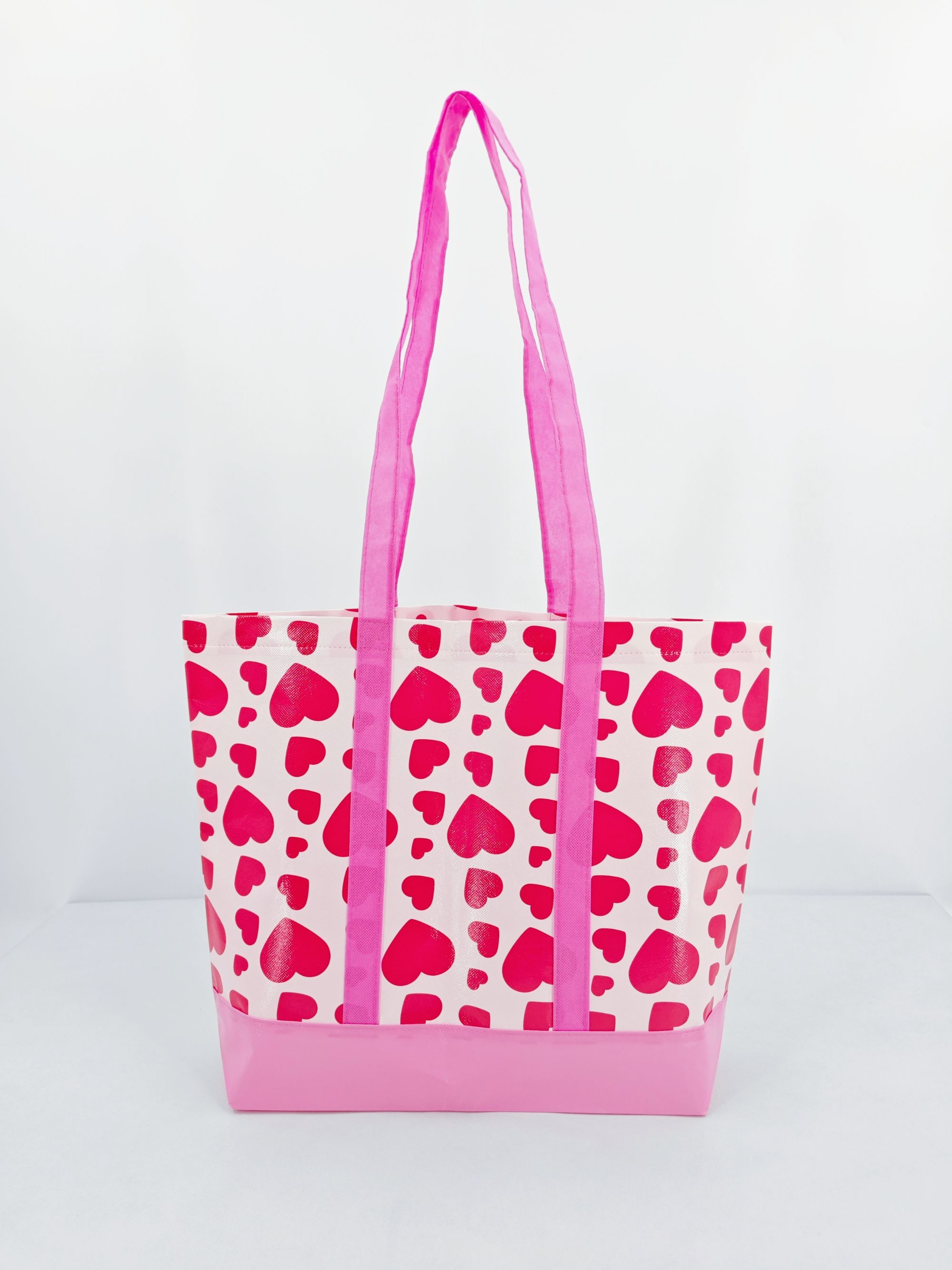
The same crinkly, lightweight tote that once hauled dripping vegetables and live fish from open-air stalls now sits folded inside a boutique handbag, ready for a different kind of purchase. Non-woven bags have quietly shed their utilitarian image. At street level, vendors hand them out by the dozen because they cost pennies and survive countless trips. Step into a curated pop-up in a former warehouse, though, and the same material gets silk-screened with a designer's mark, its rough edges suddenly part of the appeal.
That leap wasn't driven by a sudden love of polypropylene. It came from a shift in how people signal taste. A bag that looks unremarkable reads as authentic, unbothered, even a little contrary—especially when it's handed to you alongside a limited-run zine or a ceramic mug priced like a small appliance. The earlier association with fishmongers and butchers gave it a grounded credibility that glossy paper bags simply lacked.
Now the non-woven tote moves easily between both worlds. This morning it carried leafy greens and a bag of ice. By evening, it might hold a vinyl record or a candle wrapped in tissue. The class line it crossed was never really about the bag itself; it was about who got to claim ordinariness as a style choice, and who had no choice at all.
FAQ
They are typically made from spun-bond polypropylene, which is lightweight yet durable enough for repeated use, and Chinese factories have scaled production to keep costs low without sacrificing basic tear resistance.
Pressure from overseas buyers and domestic environmental rules is pushing mills to blend post-consumer recycled PP or add biodegradable additives, giving retailers a greener story to tell without redesigning their supply chains.
High-definition flexo and gravure printing now allow full-bleed photographic designs, matte or gloss coatings, and even soft-touch finishes, so bags feel less like cheap giveaways and more like brand merchandise.
Many Chinese factories now offer lower MOQs, sometimes starting at 500 pieces, with digital proofing and split-color runs, which lets boutique shops test custom designs without overcommitting inventory.
Bags are increasingly made with gussets, reinforced stitching, and compact fold-into-pouch formats that fit in a purse or glove box, so consumers are more likely to carry them instead of forgetting them at home.
Restrictions on ultra-thin plastic bags and incentives for reusable packaging have led provincial governments and industry associations to set tighter weight and strength guidelines, pushing producers to upgrade from flimsy 60gsm fabric to 80-100gsm or above.
Earth tones, heathered fabric blends, canvas-like textures, and recycled-content flecks are replacing plain white and primary-color bags, aligning with the muted aesthetic favored by sustainable fashion and zero-waste stores.
Both, but finished bags dominate because buyers value ready-to-print blanks, pre-folded packaging, and consolidated freight, while some African and Southeast Asian markets import rolls of non-woven fabric for local cutting and sewing.
Conclusion
Guangdong's non-woven bag workshops have quietly become the invisible infrastructure of global reusable retail, churning out millions of totes that now stock checkout aisles from Berlin to Bangkok. When single-use plastic bans swept through cities, these factories turned on a dime, swapping extrusion lines to meet sudden demand spikes within weeks rather than quarters. The material story has shifted as well. Recycled PET bottles and bamboo fiber blends are no longer niche experiments but standard inputs, giving a once-basic carryall the texture, stiffness, and eco-credentials of a considered product. It is no longer just a bag; it is a statement about manufacturing agility and material innovation.
Retailers have also changed how they see the humble tote, moving it from a disposable utility to a walking brand asset. A 30-cent bag that endures a hundred trips challenges the throwaway logic of fast retail, and its low price has let it cross social boundaries, appearing in wet markets and high-end pop-ups alike. Design details like reinforced stitching, printed narratives, and custom colorways now carry the same weight as the logo on the product inside. The result is a quiet revolution, one where the non-woven bag has become a durable, classless, and brand-forward ambassador for eco-friendly retail, proving that sustainability can scale without sacrificing style or budget.
Contact Us
Contact Person: Tony
Email: [email protected]
Tel/WhatsApp: +8615859766913
Website: https://www.cw-pak.com