
CNC Milling Machine Supplier Insights for Smarter Manufacturing Decisions
2026-07-20
Choosing the right CNC milling machine supplier can feel like navigating a maze of technical specs and bold claims. But what if your decision could be guided by real insight instead of guesswork? Whether you're scaling production or chasing tighter tolerances, the partner you pick shapes your manufacturing future. That's where WINNRUI CNC brings a fresh perspective, blending hands-on engineering expertise with a no-nonsense approach to help you cut through the noise and make smarter, shop-floor-ready decisions.
Decoding Supplier Capabilities Beyond the Brochure
Supplier brochures are carefully curated highlight reels, but real capability lives in the details they leave out. A glossy pages spread might promise seamless logistics, yet fail to mention their contingency plans when a typhoon hits their main port. True assessment means looking past the polished case studies and asking the uncomfortable questions: How do they manage raw material variability? What do their line workers say during unannounced floor walks? These answers don't come from marketing materials—they emerge from direct observation and candid conversations.
Numbers on a spec sheet rarely tell the full story. A factory may claim 99.5% on-time delivery, but that metric often masks narrow definitions. Does “on time” mean shipment from their dock or arrival at your warehouse? Similarly, capacity figures can be misleading without understanding their bottleneck resources. One automotive client we worked with discovered their tier-2 supplier’s stated capacity assumed three shifts of identical output—a scenario that collapsed when they lost just two experienced operators. Physical audits here are irreplaceable; walking the line reveals pace, waste, and hidden constraints that no brochure can capture.
The most telling signs of supplier strength are often cultural, not technical. Does the team openly discuss past failures, or does everything sound like a success story? A supplier who shows you their scrap yard without being asked is demonstrating the kind of transparency that builds resilient supply chains. We’ve found that reviewing a supplier’s problem-solving logs—raw, unedited records of defects and corrective actions—provides deeper insight than any credentials list. Capability is less about what they’ve already mastered and more about how they learn and adapt when things inevitably go wrong.
When Machine Specs Meet Shop Floor Realities
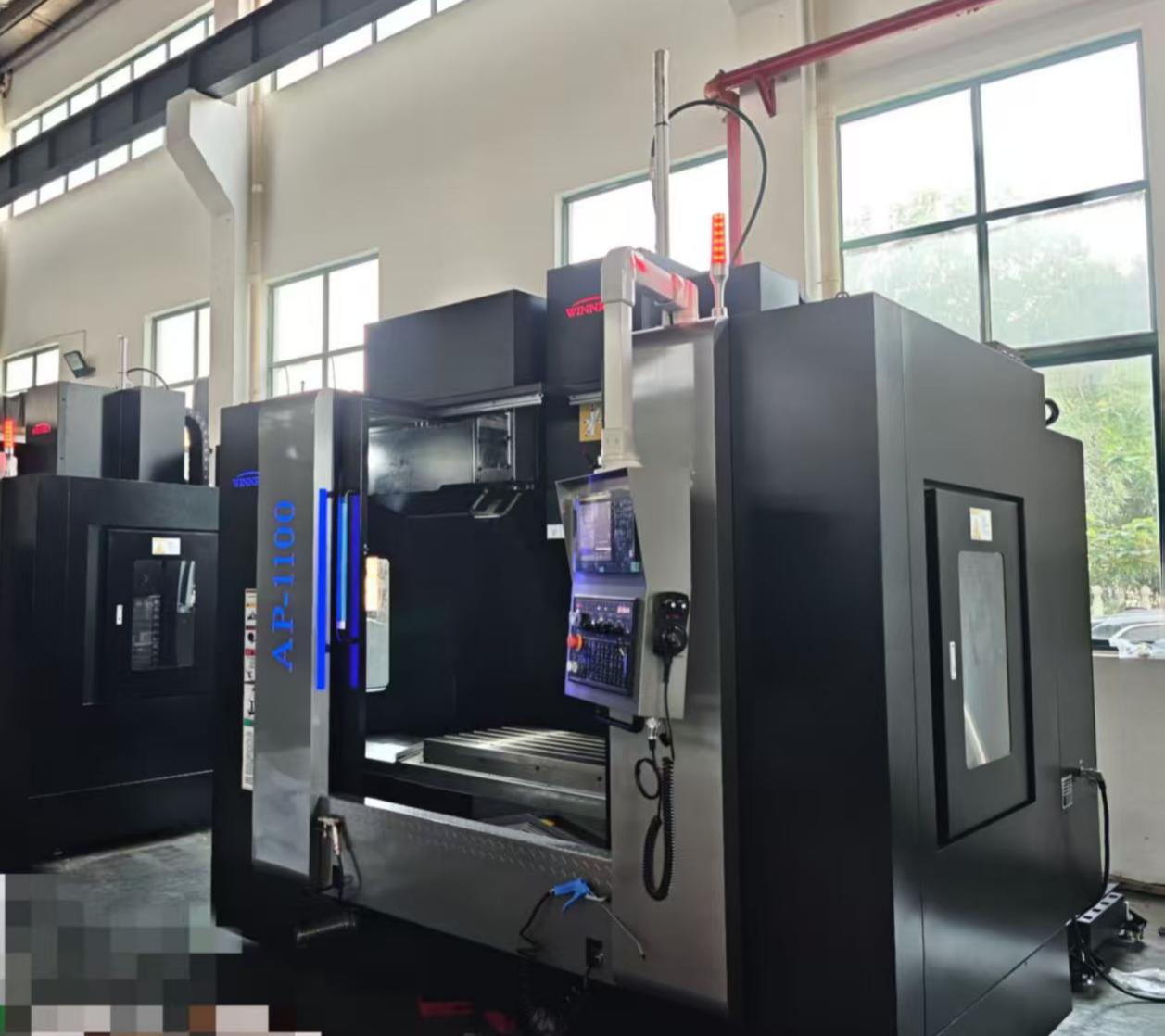
A spec sheet can promise tolerances down to a micron, but the moment that machine hits a shop floor layered with vibration, temperature swings, and hurried operators, those numbers start to bend. The granite surface plate in the metrology lab tells one story; the cast iron bed bolted to a 30-year-old concrete slab tells another. Real precision isn't just about what the brochure says—it's about how the machine settles into its messy, human ecosystem.
Walk past any machine that's been running for a few years and you'll see the subtle adaptions: the fixture someone shimmed with a soda can tab because it dampened chatter better than the factory setup, or the way coolant nozzles get recalibrated by touch, not by the manual. These aren't failures of engineering; they're proof that no design survives contact with production without evolving. The gap between theoretical capability and daily output gets filled by the instincts of the people who run, tweak, and curse at the equipment every shift.
Trying to close that gap with more sensors or tighter control loops only goes so far. The real trick is building machines that expect to be misinterpreted, that leave room for the grease-stained wisdom accumulated over thousands of cycles. When a new press brake arrives, the floor manager doesn't check the datasheet first—she leans on it, runs a scrap blank through, and listens. What matters isn't what the specs claim under ideal conditions, but what the machine will actually do come Wednesday morning, when the rush order hits and the ambient air has soaked up humidity overnight.
Hidden Costs That Reshape Your CNC Investment
Initial price tags on CNC machines rarely tell the full story. The real weight often falls on operational expenses that creep in unnoticed—tooling replacements, energy consumption spikes during peak cycles, and specialized coolant disposal fees. Many shops overlook how material waste from programming errors quietly eats into margins, turning a seemingly affordable unit into a slow drain on profitability.
Another layer hides in the integration phase. Retrofitting older facilities to support new equipment means upgrading electrical infrastructure, reinforcing floors, or even reconfiguring dust collection systems. These preparatory costs can rival the machine’s base price, yet they’re seldom highlighted in vendor proposals. The learning curve for operators adds further friction; without dedicated training, cycle times drag while scrap rates climb.
Maintenance contracts and software subscriptions further muddy the water. What begins as a simple licensing fee often evolves into mandatory updates that demand hardware upgrades. Meanwhile, the pressure to adopt automated material loading or vision systems to stay competitive tacks on expenses that reshape initial ROI calculations. Understanding these buried factors early prevents budget overruns and aligns expectations with the true cost of ownership.
Supplier Reputation in the Age of Instant Feedback
In today's hyperconnected world, a supplier's reputation is no longer built behind closed doors. It's shaped in real time, through a constant stream of online reviews, social media mentions, and instant feedback loops. A single negative experience can ripple across platforms within minutes, eroding trust that took years to cultivate. This shift has forced suppliers to become radically transparent and responsive, treating every transaction as a potential public testimonial.
The balance of power has tilted toward the buyer, who now wields a digital megaphone. Smart suppliers understand that reputation management isn't about damage control after the fact—it's about embedding quality into every interaction. They monitor sentiment actively, address concerns before they escalate, and turn satisfied customers into vocal advocates. In this age, a sterling reputation is both a shield and a competitive edge, fiercely protected and easily tarnished.
Future-Proofing Through Adaptive Support Models
True resilience lies not in rigid frameworks but in systems designed to evolve. Adaptive support models prioritize flexibility at the architectural level, embedding feedback loops that allow processes, tools, and expertise to shift as business realities change. Rather than chasing every new trend, these models build a foundation where incremental adjustments happen organically—guided by real-time data, user behaviour, and emerging technological capabilities.
What sets such models apart is their commitment to contextual awareness. An adaptive support system doesn't just react; it learns which interventions yield the best outcomes over time, refining its responses without human hand-holding. This means support teams can move beyond firefighting, focusing instead on strategic improvements because the underlying logic handles routine complexity. The result is an ecosystem that stays relevant not by prediction, but by design.
Implementing this demands more than tool upgrades—it requires a cultural shift toward treating support as a dynamic layer of the product. When teams embrace continuous experimentation and transparent knowledge sharing, the line between support and development blurs. Issues become signals, not endpoints, feeding directly into product evolution. Companies that embed adaptability into their support DNA find they are perpetually aligned with user needs, turning potential obsolescence into a cycle of perpetual renewal.
Navigating the Shift to Data-Driven Machining Partnerships
Machine shops that once relied on phone calls and tribal knowledge are now recalibrating their entire approach to customer relationships. The pivot toward data-driven machining partnerships isn’t just about swapping paper for screens—it’s about building a shared language where real-time spindle loads, tool wear patterns, and dimensional inspection logs become the foundation of trust. Early adopters quickly realize that the value lies less in the dashboards themselves and more in the collaborative dialogue these metrics unlock. When a shop and its customer jointly interpret a sudden shift in surface finish data, they’re no longer merely transacting; they’re co-engineering repeatable outcomes.
The friction, however, comes from the human side of the equation. Seasoned machinists often view the push for digital transparency as a threat to their hard-won intuition, while procurement teams struggle to move beyond a cost-per-part mindset. Successful transitions happen when both parties treat the first few data-backed projects as experiments rather than mandates. Small, focused pilots—like sharing a single key process capability index or using anomaly detection alerts to trigger joint material reviews—build the muscle memory for deeper collaboration. Over time, the data stops feeling like surveillance and starts operating as a safety net, catching inconsistencies before they cascade into non-conformances.
What ultimately separates lasting partnerships from short-lived pilots is a deliberate architecture of accountability. Shops that thrive in this model don't just stream data; they curate it to align with specific customer pain points—delivery reliability, first-article pass rates, or lifecycle cost trends. They also invest in cross-functional roles that bridge the shop floor and the customer’s engineering team, translating raw sensor feeds into actionable narratives. The shift isn’t inevitable, but it’s accelerating. Those who embrace it find that the real payoff isn’t a cleaner spreadsheet—it’s a supply chain that learns faster than its competitors.
FAQ
Look beyond the spec sheet. Supplier stability, local service response times, and the availability of skilled technicians often outweigh marginal performance differences. Ask for a client reference in a similar industry and verify their claim with an unannounced shop visit if possible.
Choose a control system that supports easy integration with IoT and Industry 4.0 platforms, even if you don’t plan to use them immediately. Modular tool changers and expandable work envelopes will keep the machine relevant as your product mix evolves. Also, confirm the supplier’s history of providing software updates.
Foundation requirements, power upgrades, and coolant mist collection systems often surprise first-time buyers. Additionally, factor in the cost of CAM post-processors tailored to the machine, initial tooling packages that are truly ready to run, and thorough operator training—not just a quick handover session.
A machine that sits idle waiting for a technician can cost far more in lost production than the upfront savings from a bargain deal. True value lies in guaranteed response times, stock of critical spares locally, and remote diagnostic capabilities that prevent minor issues from escalating.
Request a test cut on your material with a detailed CMM report. Pay attention to repeatability under thermal conditions that mirror your shop environment. Don’t just rely on the laser interferometer data; ask for ballbar test results that reveal dynamic contouring accuracy under load.
It’s not just about lights-out machining. Even basic pallet pooling or robotic part loading can decouple operator attendance from cycle time, allowing one skilled machinist to manage multiple cells. This shifts the bottleneck from machining to engineering—so invest in programming and simulation tools simultaneously.
Conclusion
Evaluating CNC milling machine suppliers demands looking past glossy brochures to uncover real engineering depth. A supplier’s true capability often surfaces in how they handle non‑standard materials, tight tolerances, or sudden volume shifts—areas where generic specs fall short. Conversations with their application engineers, not just sales reps, reveal whether they grasp your production bottlenecks. Shops that visit reference sites quietly learn more about thermal compensation routines and real‑time spindle monitoring than any datasheet can convey, and these insights directly shape machine uptime and part quality.
Beyond the sticker price, hidden cost drivers like tooling compatibility, energy consumption under idle cycles, and local service response times quietly rewrite the total cost of ownership. A supplier’s reputation now lives in unfiltered operator forums and quick video reviews, making long‑term trust harder to fake. Forward‑thinking shops prioritize adaptive support models—remote diagnostics, on‑demand training, and shared data pipelines—that keep legacy and new machines productive. As machining moves toward cloud‑based process analytics, partnerships that openly share run‑time data and co‑develop process improvements will separate suppliers who react from those who anticipate, helping you build a floor that learns faster than the competition.
Contact Us
Contact Person: Tim
Email: [email protected]
Tel/WhatsApp: +86 15522553731
Website: https://www.winnrui-cnc.com/