

Eco-Friendly Flame Resistant Clothing That Protects People and the Planet
2026-11-16
Most flame-resistant gear still leans hard on chemical treatments that are rough on the environment — and often on the people wearing them. DROTEX takes a different route. By focusing on eco-friendly materials and responsible production, DROTEX proves that safety doesn't have to come at the planet's expense. Here's a closer look at how protective clothing can guard both workers and the world they live in.
Why Flame Resistance Does Not Have to Cost the Earth
Flame-resistant materials used to carry a premium price tag, but that assumption is quickly becoming outdated. Shifts in fibre blends, manufacturing techniques, and supply chains have narrowed the gap between standard fabrics and their safer counterparts. The real cost driver is often not the raw material itself; it is the assumption that protection must be built into every layer from the start.
A more practical approach is to treat flame resistance as a design requirement rather than an add-on. By selecting inherently resilient fibres where they matter most and using treated blends only where needed, teams can meet safety codes without inflating the budget. This also reduces waste, because fewer specialised finishes are applied across the board.
Long-term value changes the calculation further. Durable flame-resistant products tend to last longer in demanding environments, which means fewer replacements and less downtime. When lifetime cost is measured instead of upfront price, choosing protection often makes financial sense without compromising on performance or sustainability.
The Hidden Environmental Toll of Conventional FR Fabrics
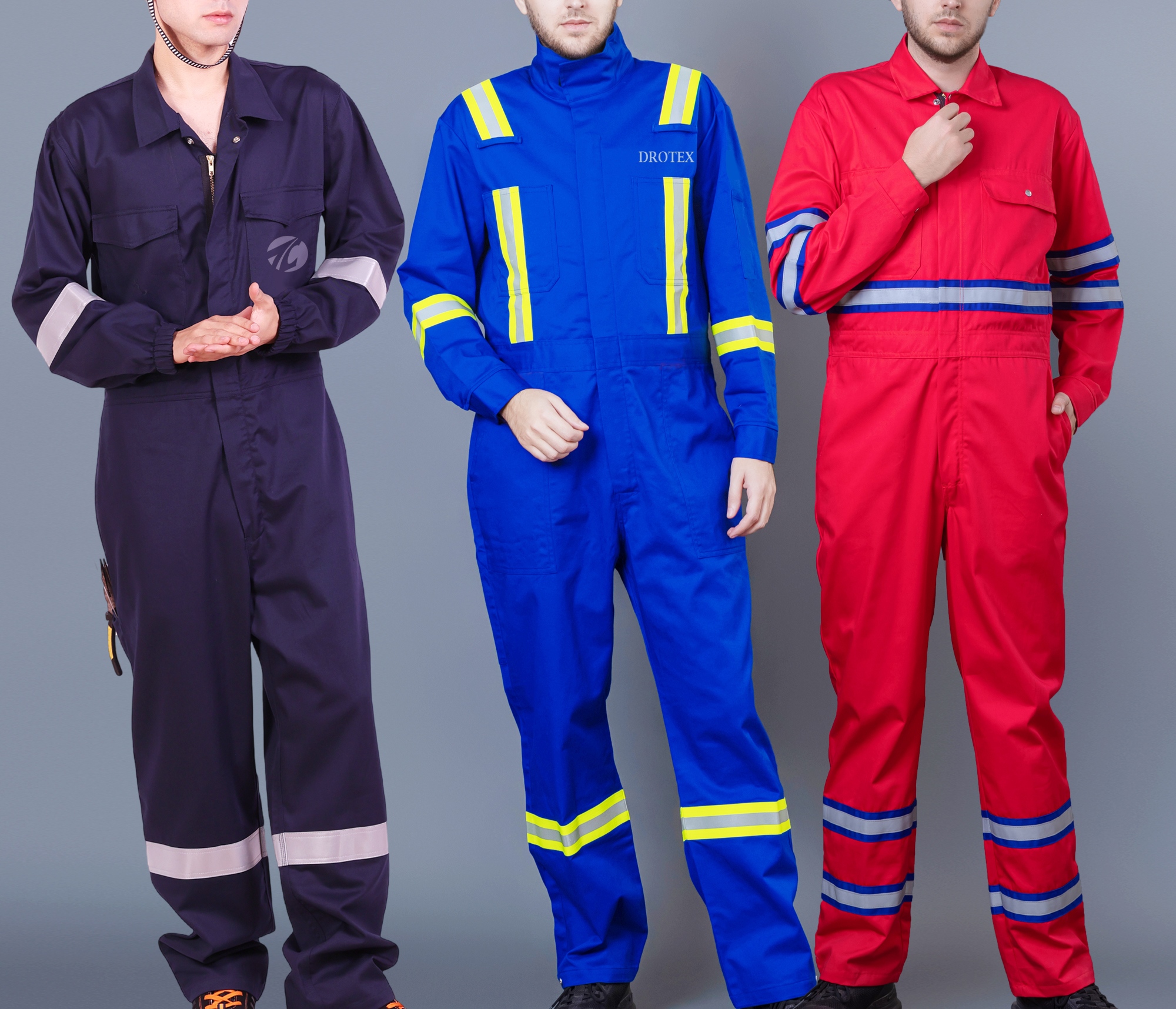
Conventional flame-resistant fabrics tend to earn their performance through chemistry rather than through inherently fire-safe fibers. Halogenated retardants, antimony trioxide, and fluorochemical finishes are common tools for passing open-flame tests, but they arrive with a quieter cost. During dyeing and finishing, mills release effluent that carries residual additives and their breakdown products into local waterways. Many of these substances resist microbial digestion, so sediments become long-term reservoirs rather than temporary contamination.
The release does not stop once the textile leaves the factory. Washing and abrasion gradually pull treated fibers and surface finishes into household drains. Municipal treatment systems are rarely designed to remove these compounds, which means they pass through to rivers, estuaries, and farmland where treated sludge is spread. A single uniform or furniture cover can shed flame-retardant chemistry for years, turning routine laundry into a slow, diffuse emission source.
End-of-life handling adds another layer. Landfilling leaves fabric additives available to leach into groundwater once liners age, while incineration risks forming halogenated dioxins and furans if combustion temperatures or controls fall short. Mechanical recycling is often blocked because separating and neutralizing complex flame-retardant formulations is neither simple nor cheap. The result is an environmental burden that is easy to overlook because it is stitched into the supply chain, the wash cycle, and the waste stream at once.
Low-Impact Fibers That Still Meet Safety Standards
Choosing materials that tread lightly on the planet usually means accepting trade-offs in durability or flame resistance, but a handful of fiber developers have quietly closed that gap. Recycled polyester made from post-consumer bottles can pass the same abrasion and tensile tests as virgin material, while requiring less energy and water overall. Blends that pair organic cotton with a modest percentage of high-tenacity regenerated nylon hold up to repeated laundering without shedding microplastics at the rates seen in cheaper synthetics. The real work happens in the finish: non-halogenated flame retardants and silicone-free water repellents can be applied without undoing the environmental gains of the base fiber.
Safety standards often assume a fiber will behave predictably under heat, friction, or chemical exposure, and low-impact options have had to prove themselves case by case. Some cellulose-based yarns, for example, now meet the same vertical flame tests as traditional polyester curtains, though they are derived from certified eucalyptus pulp rather than petroleum. Others use mechanically recycled wool, which retains its natural self-extinguishing character even after several life cycles. What matters is not the label on the fiber but whether the mill has tested the finished textile, including seams, coatings, and linings, against the relevant regional requirements.
Designers who want to reduce environmental loading without gambling on compliance should ask for batch-level test reports rather than generic marketing claims. A low-impact fiber may pass a European standard yet fail a stricter aviation or children's sleepwear protocol, simply because the weave is looser or the dye chemistry differs. Working with suppliers who track recycled content by mass balance and avoid hazardous finishing agents gives you a defensible paper trail. Over time, these fibers stop being the risky alternative and become the default for projects where both planetary limits and occupant protection carry weight.
Built to Survive Tough Jobs Without Piling Up Waste
Most heavy-duty gear earns its reputation by being disposable in disguise. One split seam or worn latch sends the whole unit to the trash, and the cycle repeats before the job is even finished. A better approach is to design for the way rough work actually happens. Stress points get reinforced without turning the entire item into a clumsy block of material. Every edge, handle, and hinge is chosen because it can take repeated drops, grit, and moisture, not just because it looks sturdy on a shelf.
Repairability is what keeps that toughness from becoming another waste problem. When a single part fails, it should be possible to swap that part out and keep the rest in service. Modular construction, replaceable wear plates, and hardware that can be tightened or renewed mean the tool or case stays on the job longer. It is a quieter kind of durability, one that avoids stacking broken units in the corner of a warehouse or truck bed.
Over time, the difference shows up as fewer emergency replacements, less torn packaging, and fewer items headed straight to the dumpster after a rough season. Tough jobs will still leave their marks, but the equipment should be able to carry those scars without becoming part of the waste stream.
Safer Chemistry Behind the Flame-Resistant Finish
Most flame-retardant finishes have historically leaned on halogenated compounds that do their job but leave behind persistent, bioaccumulative byproducts. The safer route starts by replacing that logic altogether. Instead of interrupting combustion with chlorine or bromine, newer systems use phosphorus and nitrogen to build a char barrier at the fiber surface. When heat hits the fabric, these compounds decompose in a controlled way, releasing non-toxic gases that dilute oxygen and driving the formation of a carbonaceous shield. That shield slows heat transfer and starves the flame before it can spread.
What makes the chemistry safer is not just the absence of halogens. It is also the way the finish bonds to the textile. Covalent or cross-linked attachments keep the active molecules in place through repeated laundering, so the protection does not depend on heavy topical coatings that wear off into wash water. Some formulations draw on bio-based sources like phytic acid or modified starches, which lower the environmental load without trading away durability.
There is still a balance to strike. A finish that forms too much char can stiffen the hand of the fabric, and a finish that washes out too easily has no practical use. The current generation of safer flame-resistant finishes works within that narrow window, adjusting pH, curing temperature, and co-additives so the chemistry performs on the fabric, not just in a lab test.
What Makes Protectivewear Truly Responsible From Fiber to Disposal
Responsibility starts long before a garment reaches the warehouse. Some of the better suppliers now work with high-tenacity recycled nylon or organic cotton twill, not because those materials sound good on a hangtag, but because they cut the raw resource load and can be traced back to a specific mill. That tracing matters: a fabric can be marketed as low-impact while the dye bath, water use, and finishing chemistry get pushed off-site. Truly responsible fiber choices mean asking for energy and chemical disclosures, checking whether the mill reuses process water, and knowing whether the people cutting and stitching are paid fairly. Without that, a “green” shell is just a story.
The middle of the supply chain is where good intentions usually leak away. Responsible protectivewear is assembled so it can be taken apart again—seams, zippers, and reflective strips are designed for repair or separation instead of being permanently bonded. Some workshops turn cutting scraps into internal padding or reinforcement patches rather than sending them to landfill. Even the packaging gets rethought: cardboard sleeves, paper ties, reusable bags. The point is to stop treating mixed-material laminates as normal, because once a polyester face, a membrane, and a nylon liner are fused together, recycling becomes nearly impossible.
End of use is the test most brands would rather not talk about. A protective jacket eventually wears out, and a responsible program says plainly when to retire it and where it can go. Some take-back schemes shred old garments into industrial wipers or acoustic insulation; others recover fiber for new yarn. The most useful labels avoid vague claims like “eco-friendly” and instead state whether the fabric can be mechanically recycled, chemically recycled, or composted. If a maker is willing to collect its own worn pieces and cover part of the return logistics, that is a stronger signal than any marketing line.
FAQ
It comes down to material sourcing and chemical choices. Many sustainable options use organically grown cotton, recycled aramids, or bio-based fibers instead of petroleum-heavy synthetics, and they avoid halogenated flame retardants that linger in the environment.
Yes, when it is certified to the same performance standards as conventional FR gear. Brands are now pairing greener fabrics with inherently flame resistant fibers or safer treatments, so the arc rating and flash fire protection remain intact.
They can be, especially when the fabric is built around high-tenacity recycled fibers or organic cotton blended with modacrylic. The key is checking wash life and abrasion data rather than assuming green automatically means weaker.
Look for third-party certifications that cover both sides: NFPA 2112 or ASTM F1506 for thermal protection, and standards like OEKO-TEX, GOTS, or bluesign for restricted substances and cleaner production. A brand that openly shares its material breakdown is usually a better bet.
Many rely on petroleum-based synthetics and chemical finishes that do not break down easily. Production can also involve high water use, hazardous wastewater, and PFAS-related treatments that have been linked to long-term contamination.
They increasingly use inherently flame resistant fibers, so the protection is built into the polymer rather than added through heavy chemical coatings. When finishes are needed, manufacturers can use phosphorus-based or other non-halogenated alternatives with lower toxicity profiles.
It depends on the fabric and construction, but many modern options are engineered for industrial wash cycles. The environmental benefit does not automatically disappear after repeated cleaning, especially if the garment uses inherent FR properties rather than a finish that washes out over time.
Upfront costs can be higher, but the total cost often evens out through longer garment life, better durability, and lower replacement frequency. Companies also avoid potential regulatory headaches tied to restricted chemicals, which adds long-term value beyond the price tag.
Conclusion
Flame-resistant workwear has long carried an unspoken trade-off: keep people safe while quietly adding chemical and material burdens to the planet. That equation is changing as buyers and manufacturers look beyond the immediate price tag. Conventional FR fabrics often rely on harsh treatments and synthetic fibers whose production, coating, and eventual disposal leave a heavy footprint, yet safer alternatives now prove that meeting safety codes does not have to cost the earth. Low-impact fibers such as treated natural blends and carefully selected synthetics can clear rigorous thermal protection standards without inheriting the worst environmental costs. Meanwhile, finishes built on safer chemistry reduce toxic exposure for factory workers, garment handlers, and the people wearing the gear day after day.
Durability matters just as much as chemistry. Gear designed to withstand repeated industrial washing, abrasion, and tough site conditions spends fewer replacements in landfills, cutting overall waste and the energy needed to make new garments. Responsible protectivewear extends that logic from raw fiber through end-of-life: renewable or recycled inputs, transparent dyeing and finishing processes, and designs that can eventually be recycled, repaired, or safely degraded all play a role. When flame resistance is achieved through cleaner chemistry, lower-impact materials, and a longer usable life, safety becomes part of a broader responsibility to both the worker and the environment, not an isolated feature bolted onto a disposable product.
Contact Us
Contact Person: Sandy
Email: [email protected]
Tel/WhatsApp: 86150 8310 5120
Website: https://www.frdrotex.com