
Galvanize Maker Turns Bold Ideas Into Real Projects
2026-11-16
At Galvanize Maker, a whiteboard sketch can become a working device before the coffee goes cold. That speed isn’t about rushing; it’s about removing the friction between an idea and its first real test. Projects that sound ambitious elsewhere feel ordinary here—because the space is built for exactly that. With LANYUN supporting the workflow, even the messiest early concepts get a clearer route to execution. The result? Bold ideas don’t stay ideas for long.
Build It Ugly, Fix It Fast
The first pass of anything rarely deserves polish. Let the layout feel clunky, let the copy sound a bit rough, and let the buttons sit where they happen to land. That ugliness is not a failure; it is a working draft with all the important parts in one place, ready to be tested.
Once a real person clicks through the messy version, the fixes become obvious. You stop guessing what might be wrong and start repairing what actually confused someone. A quick correction today teaches more than a week of internal debate, and the product improves while the memory of the problem is still fresh.
Speed matters more than symmetry at this stage. A rough feature that ships gets used, questioned, and rebuilt based on evidence. The alternative—perfecting everything before anyone sees it—just delays the same feedback and makes every change more expensive.
The Shop Floor Is the Real Pitch
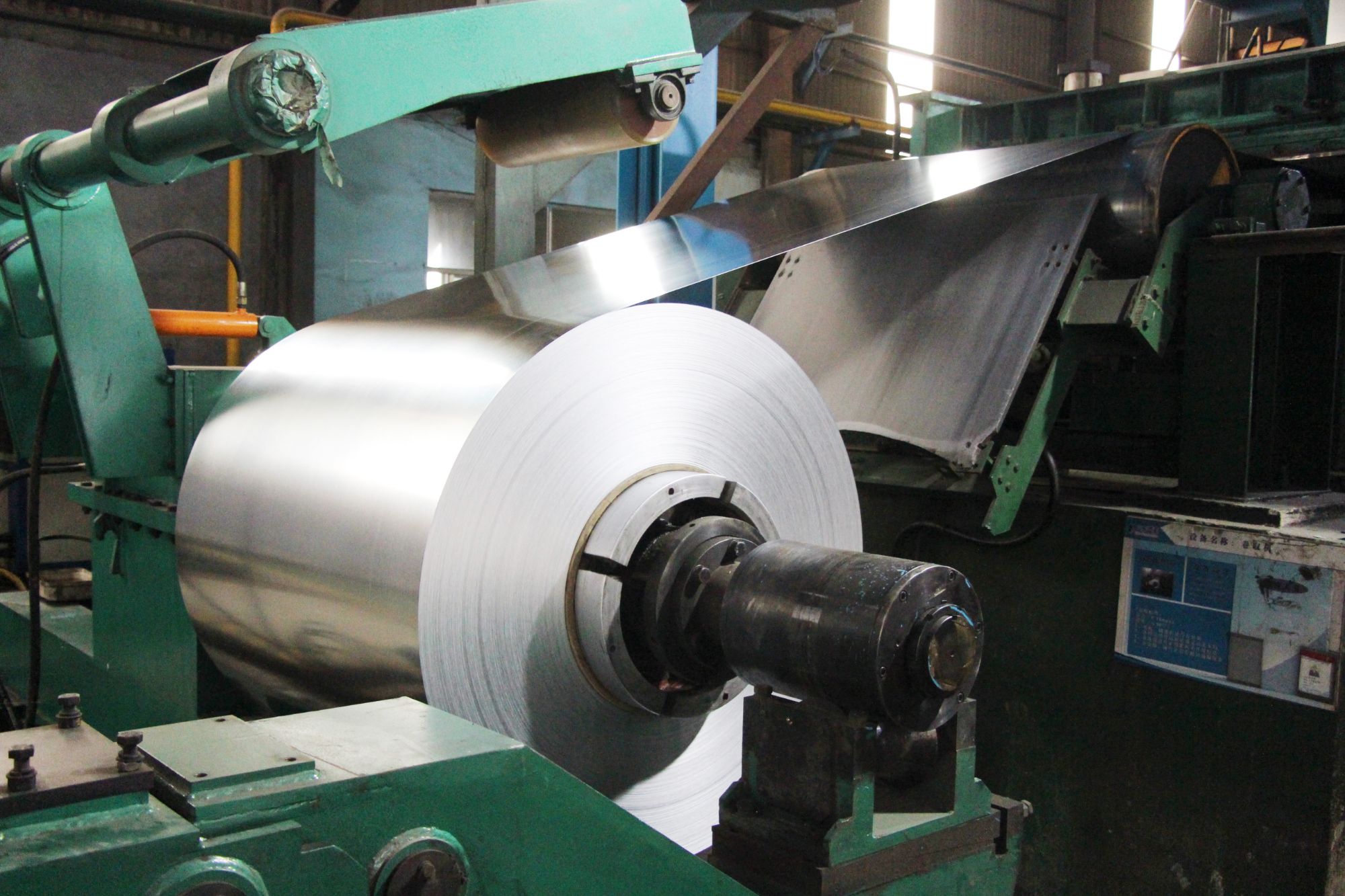
Forget the polished deck and the rehearsed talking points. Walk into a factory, a workshop, or any place where the actual work happens, and you will learn more in ten minutes than a month of conference calls could ever teach you. The rhythm of the line, the way people move around a workstation, the small fixes taped to a machine—those details tell you whether a supplier can deliver on the promises their sales team makes.
That is why the shop floor carries more weight than any sales pitch. When you stand there, you see how problems are handled in real time. You notice whether the team stops to check a measurement or just pushes product through. You hear the tone of the shift supervisor, the clatter of tools, the absence or presence of a clear process. None of that fits neatly into a brochure.
A good pitch can be manufactured. A clean, well-run floor cannot be faked for long. Buyers and partners who trust the floor over the slides tend to end up with fewer surprises later, because they have already seen the habits, constraints, and standards that will shape the work they pay for.
Laser Cutters Don't Care About Your Resume
A laser cutter does not pause to check where you went to school, what title you held, or how clean your portfolio looks. It only responds to what you put in front of it: the speed, the power, the focus, and whether your vector paths are actually closed.
That gap between a polished resume and a burnt, misaligned first cut is where real learning happens. You can list every design tool under “skills,” but the machine only notices the kerf you forgot to account for and the material that was not quite flat.
Spend enough hours at the bed and the paper credentials start to fade. You stop describing yourself as a maker and start producing things that survive the beam.
From Cardboard Mockups to Working Prototypes
Most of our builds start with cardboard, foam board, and whatever tape is within reach. These materials are cheap enough to encourage bad ideas, and that is the point. A rough mockup can be standing on a desk before lunch, but its real value shows up in the details that no drawing catches: a button placed too close to an edge, a battery compartment that makes the whole thing tip forward, or a cable route that fights against a natural grip. Handing those raw shapes to a few people and watching them fumble, press, and adjust often saves several rounds of expensive changes later.
Once the basic silhouette and interaction feel right, the cardboard starts to come apart in pieces. We replace one section at a time with something functional: first a single LED wired to a switch, then a sensor that reads pressure, then a small circuit board that has to share space with a battery. Each new part breaks the previous version in some small way, forcing us to rethink how everything is held together, how heat moves through the case, and whether a user can actually reach the internals without destroying the shell. Those questions simply do not show up in a static model.
The shift from mockup to working prototype also changes how people talk about the design. With a cardboard version, feedback tends to be polite and visual. With a working version, people click, squeeze, unplug, and occasionally break things. That breakage is useful information because it points to exactly where the next revision needs more strength or a simpler path. What survives the process is not just a prettier object, but a tool that can be tested, repaired, and adjusted quickly enough to keep up with the team’s next idea.
Mentors Who Remember Their First Broken Project
Many mentors can still describe the exact moment their first project fell apart—the error message that refused to clear, the deadline that slipped, or the module that worked alone but failed the instant it touched the rest of the system. That memory rarely fades because it was not really about the code. It was about realizing that being good at separate tasks was not the same as holding a whole project together.
That early failure becomes a private reference point. When a junior developer shows up frustrated or embarrassed, a mentor who remembers their own broken project is less likely to reach for a rehearsed lecture. They might ask what the person already tried, listen for the moment the problem stopped making sense, and then share the part of the story they usually leave out: how long it took them to recover. The advice feels less like a checklist and more like someone passing down a scar.
Small Wins That Stack Into Finished Projects
Most projects don’t stall because the final goal is too big. They stall because the next visible step feels abstract. Breaking the work into tiny, almost laughable wins changes the rhythm. A single paragraph written, one small function tested, a rough sketch of a layout — each one closes a loop your brain can actually register as progress.
These micro-moments of completion do more than move the work forward. They quietly rewrite how you see the project. Instead of a distant endpoint hovering somewhere in the future, you start to notice a trail of finished bits behind you. That trail becomes the real motivation, because it proves the whole thing is being assembled piece by piece, not summoned all at once.
The trick is to make each small win concrete enough to finish in one sitting. No murky tasks like “work on the design” or “make progress on the draft.” Pick something with a clear edge — a file renamed, a bug reproduced, a single question answered. Stack enough of those and the finished project stops being an ambition. It becomes just the next few wins lined up in a row.
FAQ
It is a place where people stop talking about an idea and start cutting, coding, wiring, and assembling it. The whole setup is meant to shorten the distance between a bold concept and a finished project you can hold or demo.
People who learn best by doing tend to thrive there. That includes first-time builders, designers testing a physical product, engineers who want to work outside their usual stack, and anyone who has been sitting on an idea long enough to want it out of their head.
Yes, because the support is built around the moment you get stuck, not around a prerequisite list. You can borrow experience from staff and other members, use simple prototyping tools first, and pick up the harder skills only when your project actually needs them.
The range is wide: custom furniture pieces, experimental electronics, assistive devices, small batch products, art installations, and software-controlled hardware. Most projects start rough and get refined through quick prototypes rather than long planning documents.
The main difference is the emphasis on moving from idea to visible progress in a short loop. Instead of just giving you access to machines, there is a strong push to define what a first version looks like, build it, test it, and then improve it.
Basic tools and shared prototyping materials are usually available, but it is common to bring the specific parts or stock that match your project. The staff can help you figure out what is worth buying before you waste money on the wrong supplies.
Start by describing the simplest version of the idea, then visit the space and ask what it would take to build a rough prototype. That first conversation usually reveals what is realistic, what needs to be learned, and what can be made within a few sessions.
Conclusion
At Galvanize, the path from a bold idea to a working prototype rarely starts with a polished plan. It starts with something rough, built quickly and torn apart just as fast. The first version can be ugly; what matters is getting it onto a workbench where people can react to it. Walking into the shop floor is far more convincing than any pitch deck. The laser cutters, 3D printers, and hand tools don't ask about your background or job title—they respond to whether you can measure, cut, adjust, and try again. That's the quiet filter that separates ideas from things. A cardboard mockup might look disposable, but it often carries the first real evidence that an idea can hold its shape. From there, a few rough pieces become a prototype that moves, fits, or lights up, and the project suddenly feels less like a daydream.
Mentors in this space tend to skip the vague advice. They remember the first project that snapped, jammed, or refused to turn on, and they know how quickly discouragement can set in. Their role is less about handing over answers and more about helping someone get to the next small win. A bracket that finally locks into place, a sensor that reads reliably, or a case that closes cleanly may not sound dramatic, but those moments stack. Each small fix narrows the gap between an idea and a finished project. Over time, the habit of making small progress becomes the real skill. By the end, the object on the table isn't just a concept anymore—it's proof that a bold idea survived contact with materials, tools, mistakes, and repetition. That kind of proof is hard to fake, and it's what the whole place is built to produce.
Contact Us
Contact Person: Nia
Email: [email protected]
Tel/WhatsApp: +86 18954360337
Website: https://www.sdppgi.com