
Inconel Alloys: A Comprehensive Guide for Wholesale Buyers
2026-04-05
In the world of industrial materials, Inconel alloys stand as a testament to engineering excellence, offering unparalleled resistance to extreme temperatures and corrosive environments. For wholesale buyers navigating this complex landscape, understanding the nuances of these superalloys can be the key to unlocking efficiency and durability in high-stakes applications. At Jiangsu Baowu New Materials, we've dedicated years to refining our expertise, ensuring that every alloy we supply meets the rigorous demands of industries from aerospace to energy. This guide is crafted to demystify Inconel, providing you with actionable insights to make informed purchasing decisions. Whether you're sourcing for critical components or exploring new possibilities, let's dive into what makes these materials indispensable—and how they can transform your projects.
Understanding Inconel's Unmatched Corrosion Resistance
Inconel alloys, primarily based on nickel-chromium compositions, stand out in the industrial world for their exceptional ability to withstand corrosive environments. This resistance isn't just a minor improvement over other materials; it's often the deciding factor in applications where failure is not an option. The secret lies in the formation of a passive oxide layer on the surface, predominantly chromium oxide, which acts as a robust shield against aggressive chemicals, high temperatures, and oxidizing conditions. This self-repairing layer ensures longevity even in the harshest settings, from chemical processing plants to marine engineering.
What truly sets Inconel apart is its versatility across diverse corrosive challenges. While many materials excel in specific conditions, Inconel maintains its integrity in a wide range of media, including acids like sulfuric and hydrochloric, alkaline solutions, and saline atmospheres. This broad-spectrum performance reduces the need for multiple specialized alloys, streamlining design and maintenance. In aerospace and power generation, where components face cyclic thermal stress and corrosive gases, Inconel's stability prevents degradation that could lead to catastrophic failures, underscoring its role in safety-critical systems.
Beyond mere resistance, Inconel's corrosion-fighting properties are enhanced by alloying elements like molybdenum and tungsten, which fortify the material against pitting and crevice corrosion in chloride-rich environments. This makes it indispensable in offshore oil rigs and desalination plants, where saltwater exposure is relentless. The economic impact is significant too—by minimizing downtime and replacement costs, Inconel proves to be a cost-effective choice over the long term, despite its higher initial investment. Its unmatched durability not only protects infrastructure but also drives innovation in sectors pushing the boundaries of technology and environment.
Key Applications of Inconel in Aerospace and Marine Sectors
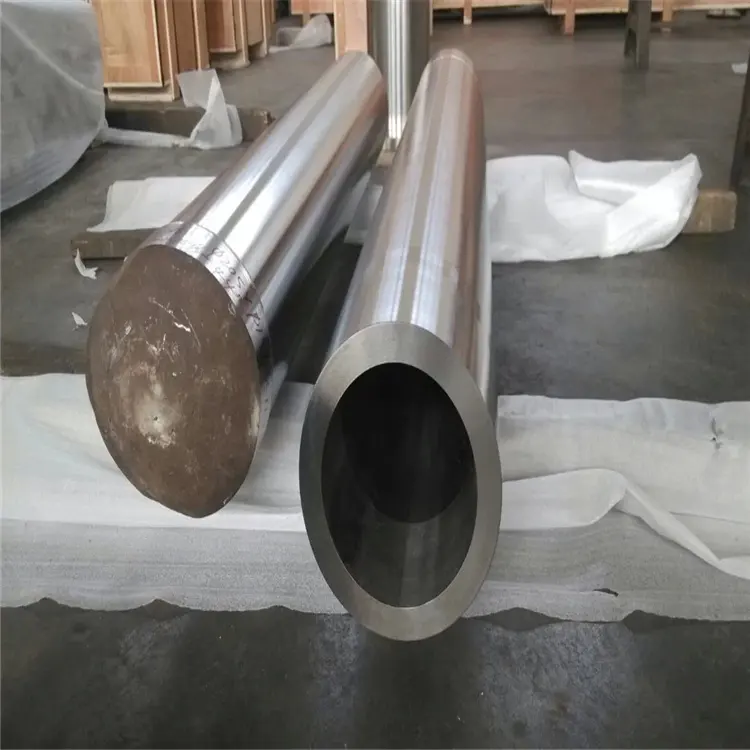
In the aerospace industry, Inconel alloys stand out for their exceptional resistance to extreme temperatures and corrosive environments. These materials are crucial in jet engines, where they are used in turbine blades, combustion chambers, and exhaust systems. Their ability to maintain strength and durability under high stress and thermal cycling ensures reliable performance in demanding flight conditions, contributing to enhanced safety and efficiency in modern aircraft.
For marine applications, Inconel's corrosion resistance is particularly valuable in harsh seawater environments. It is widely employed in components like propeller shafts, seawater piping, and fasteners on ships and offshore platforms. The alloy's robustness against saltwater corrosion and biofouling helps extend the lifespan of marine equipment, reducing maintenance costs and improving operational reliability in challenging ocean settings.
Beyond traditional uses, Inconel alloys are also finding innovative roles in aerospace and marine sectors. In spacecraft, they support heat shields and structural parts exposed to re-entry conditions, while in subsea exploration, they enhance deep-sea drilling tools and sensors. This versatility underscores how Inconel continues to evolve, meeting the growing demands for advanced materials in both air and sea domains.
Essential Considerations for Sourcing Inconel in Large Volumes
When you're in the market for Inconel on a large scale, it's crucial to start by thoroughly vetting your suppliers. Don't just settle for the first quote you receive—dig into their track record with high-volume orders, especially for nickel-based superalloys. Look for certifications like AS9100 or ISO 9001, as these can be solid indicators of quality control consistency. It's not just about cost per kilogram either; consider their logistics capabilities and whether they can handle bulk shipments without delays, which could derail your production schedule. Personal networks and industry referrals often reveal hidden gems that online searches might miss, so tap into those connections to find reliable partners with real-world success stories.
Another key aspect to keep an eye on is material traceability and documentation. When you're sourcing large amounts of Inconel, you need crystal-clear records from melt to final product. Insist on detailed mill certificates that outline chemical composition, mechanical properties, and heat treatment processes—this isn't just paperwork; it's your assurance that the alloy meets strict aerospace or chemical industry standards. Without proper documentation, you risk costly rework or even safety issues down the line. Some buyers overlook this, assuming big suppliers have it covered, but a proactive approach in requesting and verifying these documents can save headaches and protect your project's integrity.
Lastly, consider the long-term availability and market trends. Inconel isn't your everyday steel; its production is tied to nickel pricing and global supply chain dynamics. When planning large-volume purchases, stay informed about geopolitical factors or trade policies that might affect availability. Locking in contracts with flexible terms can hedge against price spikes, but avoid rigid agreements that might backfire if demand shifts. Diversifying sources, even slightly, can provide a buffer, so don't put all your eggs in one basket—spread the risk to ensure a steady flow of material without overpaying during market fluctuations.
Comparing Different Inconel Grades for Optimal Performance
In the realm of high-performance alloys, Inconel stands out for its exceptional resistance to heat, corrosion, and oxidation, making it a go-to choice for demanding applications in aerospace, chemical processing, and energy sectors. However, not all Inconel grades are created equal, and selecting the right one can significantly impact operational efficiency and longevity. This comparison dives into key differences to guide you toward optimal performance.
For instance, Inconel 625 is renowned for its excellent fabricability and weldability, along with high strength over a wide temperature range, making it ideal for exhaust systems and marine components. In contrast, Inconel 718 is often favored for its superior mechanical properties and age-hardening capabilities, which provide enhanced durability in high-stress environments like gas turbines and jet engines. By examining factors such as corrosion resistance, thermal stability, and ease of machining, you can pinpoint which grade best aligns with your specific operational needs, avoiding costly mismatches.
Beyond basic properties, subtle variations in alloy composition can lead to significant performance trade-offs. Inconel 690, for example, offers outstanding resistance to stress-corrosion cracking in chloride environments, a critical attribute for nuclear and chemical processing equipment. Meanwhile, Inconel X-750 excels in applications requiring high creep and rupture strength at elevated temperatures, such as in certain aerospace fasteners. Tailoring your choice based on these nuanced characteristics ensures not just functionality but also cost-effectiveness and reduced maintenance over time, ultimately boosting overall system reliability.
Practical Tips for Handling and Storing Inconel Alloys
Inconel alloys are prized for their ability to withstand extreme temperatures and corrosive environments, making proper handling and storage crucial to preserve their properties. Even a small scratch or contamination can compromise their performance in critical applications like aerospace or chemical processing. Start by always wearing clean gloves to prevent oils and salts from your skin from causing corrosion—this simple step is often overlooked but can make a big difference. When moving heavy pieces, use padded lifting equipment to avoid surface damage that might lead to stress points under high heat.
Storing Inconel alloys requires attention to detail beyond just keeping them dry. Ideally, place materials in a controlled environment free from moisture, dust, and chemical fumes; a climate-controlled warehouse works best, but if that's not possible, sealed containers with desiccants can help. Avoid stacking different alloys directly on top of each other—use wooden pallets or separators to prevent galvanic corrosion or physical deformation. Regularly inspect stored items for any signs of rust or damage, as early detection can save costly replacements down the line.
For long-term storage, consider coating critical parts with a light, non-reactive oil or a specialized protective film to shield against atmospheric elements. Ensure that all labeling is clear and includes alloy type and storage date to prevent mix-ups or using outdated materials. By implementing these tailored practices, you can extend the lifespan of Inconel components and maintain their reliability in demanding settings, reducing waste and operational risks.
Future Trends and Innovations in Inconel Technology
As industries increasingly push the boundaries of high-temperature and corrosive environments, Inconel technology is evolving to meet these demands through novel alloy compositions and advanced manufacturing techniques. Researchers are focusing on developing next-generation alloys with enhanced properties, such as improved creep resistance and reduced weight, to extend component lifespans in aerospace and energy sectors. For instance, additive manufacturing allows for intricate designs and tailored microstructures, opening up possibilities for custom parts that were previously impossible to produce with traditional methods.
Another key trend involves the integration of smart coatings and surface treatments, which can significantly boost Inconel's performance in extreme conditions. Innovations like self-healing coatings or those with embedded sensors are being explored to enable real-time monitoring and maintenance, reducing downtime and costs in critical applications. This shift towards functional surfaces not only enhances durability but also aligns with sustainability goals by minimizing material waste and energy consumption during operation.
Looking ahead, the convergence of Inconel technology with digital tools, such as artificial intelligence and predictive analytics, is set to revolutionize how we design and maintain these materials. By leveraging data from production and in-service performance, engineers can optimize alloy formulations and predict failures more accurately, leading to smarter, more resilient solutions across industries like marine engineering and chemical processing. This holistic approach ensures that Inconel remains at the forefront of material innovation, adapting to future challenges with precision and efficiency.
FAQ
Inconel alloys excel in high-temperature strength and exceptional corrosion resistance, making them a smart bulk buy for industries facing extreme environments. Their long service life reduces replacement costs, offering solid value for wholesale buyers.
Request mill certificates from suppliers to confirm compliance with ASTM or ASME standards, and consider third-party testing for critical applications. Visiting the manufacturing facility or checking supplier references can also boost confidence in quality assurance.
Inconel is typically sold in sheets, plates, bars, tubes, and wires. Prices vary with form due to processing—complex shapes like tubes often cost more, while bulk orders in standard forms may offer discounts.
Variations in nickel, chromium, and molybdenum content tailor Inconel for specific uses. Higher nickel boosts corrosion resistance, while added elements like titanium enhance creep strength, so matching alloy grade to application is key for wholesale buyers.
Lead times range from weeks to months, depending on alloy grade and quantity. Planning ahead, working with multiple suppliers, or opting for stock items can help minimize delays and ensure supply chain reliability.
Aerospace, oil and gas, chemical processing, and power generation heavily rely on Inconel due to its ability to withstand high heat and corrosive conditions, driving consistent wholesale demand for durable materials.
Leverage bulk order volumes, establish long-term contracts with suppliers, and compare quotes from multiple vendors. Emphasizing repeat business or flexible delivery terms can also lead to cost savings.
Store Inconel in dry, clean areas to prevent corrosion, and handle with care to avoid surface damage. Use proper lifting equipment for heavy sections, and keep alloys separated by grade to avoid mix-ups.
Conclusion
Inconel alloys represent a crucial category of superalloys designed to withstand extreme environments, making them indispensable for wholesale buyers in industries like aerospace and marine sectors. Their unmatched corrosion resistance stems from their nickel-chromium composition, which forms a protective oxide layer even under high temperatures and aggressive chemical exposures. This makes them ideal for applications such as jet engine components, exhaust systems, and offshore drilling equipment. For buyers sourcing in large volumes, key considerations include cost-effectiveness, reliable suppliers with strict quality control, and ensuring traceability to meet industry standards. By understanding the unique properties and specific use-cases of different Inconel grades, businesses can optimize performance and durability in demanding settings.
Handling and storing these alloys require careful attention to maintain their integrity; practical tips include using non-contaminating tools and keeping them in dry, controlled environments to prevent degradation. Future trends point toward innovations in additive manufacturing, which could enable more complex geometries and custom designs while reducing waste. Additionally, advancements in alloy compositions aim to enhance sustainability and recyclability. As the market evolves, wholesale buyers should prioritize staying informed about technological developments and collaborating with forward-thinking suppliers to leverage Inconel's full potential, ensuring long-term value and competitiveness in high-stakes industries.
Contact Us
Contact Person: Zoe Liang
Email: [email protected]
Tel/WhatsApp: 86 189 2128 6299
Website: https://www.baowuchina.com