

International Customs Data Platform: Streamlining Global Trade Efficiency
2026-04-15
In today's interconnected global economy, the efficiency of customs processes can make or break trade operations. Enter the International Customs Data Platform—a revolutionary tool designed to streamline cross-border transactions and enhance supply chain visibility. But what if you could take this a step further with a solution that not only simplifies customs data but also offers actionable insights for smarter decision-making? That's where Tendata comes in. By integrating advanced analytics and real-time data, we're transforming how businesses navigate international trade complexities. In this blog, we'll explore how platforms like these are reshaping global commerce and why embracing such innovations is no longer optional but essential for staying competitive. Get ready to discover the future of trade efficiency—and how you can be a part of it.
Enhancing Data Integration for Seamless Cross-Border Trade
Efficient cross-border trade relies heavily on seamless data integration, which streamlines processes across diverse international markets. By connecting disparate systems and standardizing information flows, businesses can reduce delays and errors in customs, logistics, and compliance. This integration enables real-time tracking of shipments and faster clearance, empowering companies to adapt quickly to global supply chain demands.
Advanced technologies like APIs and cloud platforms play a pivotal role in enhancing data integration for cross-border trade. These tools facilitate the secure exchange of information between stakeholders, such as exporters, importers, and regulatory bodies, fostering greater transparency and collaboration. With integrated data, businesses can leverage analytics to predict trends and optimize routes, driving cost savings and competitive advantages in international markets.
To stand out, successful data integration strategies must go beyond basic connectivity to incorporate adaptive frameworks tailored to regional regulations and cultural nuances. Customized approaches allow organizations to navigate complex trade agreements and local requirements with ease, enhancing resilience and innovation. By prioritizing flexibility and user-centric design, companies can create robust systems that not only meet current needs but also scale for future global trade challenges.
Real-Time Global Customs Information at Your Fingertips
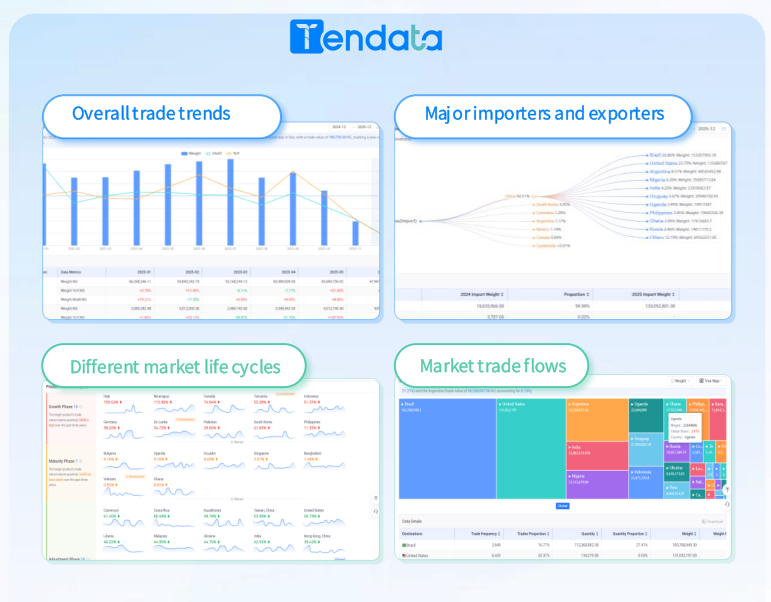
Imagine having immediate access to the latest customs regulations and procedures from around the world, all from your smartphone or computer. This capability allows businesses and travelers to navigate international borders with unprecedented ease, cutting through red tape and avoiding costly delays. By leveraging real-time updates, you can stay informed about tariff changes, import restrictions, and documentation requirements as they happen, ensuring compliance and smooth operations wherever you go.
Unlike traditional methods that rely on outdated sources or manual checks, this tool provides dynamic, actionable insights tailored to your specific needs. Whether you're shipping goods across continents or planning a trip abroad, you can quickly verify customs duties, check for prohibited items, and even get alerts on new policies. This level of detail empowers you to make informed decisions on the fly, minimizing risks and maximizing efficiency in a fast-paced global environment.
Moreover, having such information readily available fosters better collaboration with customs officials and logistics partners, enhancing transparency and trust. It transforms the often daunting process of dealing with customs into a streamlined experience, where you can anticipate challenges and adapt strategies in real time. This accessibility not only saves time and money but also opens up new opportunities for growth and connectivity in an interconnected world.
Reducing Delays in International Shipping through Digital Solutions
Smooth international shipping operations often hit snags—customs hold-ups, paperwork errors, and miscommunication between partners. But digital tools are stepping in to cut those frustrating delays. By leveraging real-time tracking, automated documentation, and integrated platforms, companies can foresee bottlenecks before they worsen. It’s like having a digital co-pilot that keeps shipments on track, ensuring goods don’t linger in ports or warehouses unnecessarily.
Imagine if every handoff in the supply chain—from manufacturer to final delivery—flowed seamlessly through a shared digital ecosystem. That’s what advanced solutions offer: systems that sync data across borders, reducing manual checks and human error. With cloud-based platforms and IoT sensors, stakeholders get instant updates on cargo status, enabling quick adjustments if a route gets congested or a document needs correction. This proactive approach means fewer surprises and more reliable timelines.
Beyond just fixing problems, digital strategies are redefining efficiency in global trade. By adopting AI for predictive analytics and blockchain for secure, transparent records, businesses can streamline compliance and build trust with customers. It transforms shipping from a reactive chore into a smooth, predictable process, where delays become the exception rather than the norm. Ultimately, embracing these innovations isn’t just about speed—it’s about creating resilient, customer-centric logistics that thrive in a fast-paced world.
Simplifying Compliance with Worldwide Customs Regulations
Navigating global customs regulations can feel like wandering through a maze of ever-changing rules, but it doesn’t have to be overwhelming. Many businesses struggle with the complexities of tariffs, documentation, and varying country-specific requirements, which can lead to costly delays or penalties. By adopting a proactive approach, companies can streamline their operations and ensure smoother cross-border transactions, turning a potential headache into a competitive advantage.
One effective strategy is leveraging technology to automate compliance checks and documentation. Advanced software solutions can track real-time updates to customs laws, flagging discrepancies before shipments are processed. This not only reduces human error but also frees up resources, allowing teams to focus on strategic growth rather than administrative bottlenecks.
Building strong partnerships with local experts and customs brokers in key regions can also make a significant difference. These professionals offer invaluable insights into regional nuances, helping businesses anticipate changes and adapt quickly. By combining tech tools with human expertise, global trade becomes more predictable and efficient, empowering companies to expand confidently and sustainably across borders.
Empowering Businesses with Actionable Trade Insights
In today's fast-paced global market, companies need more than just raw data—they require insights that drive real decisions. Actionable trade insights cut through the noise, offering clear guidance on market trends, supply chain disruptions, and emerging opportunities. By leveraging such insights, businesses can anticipate changes rather than react to them, transforming complex information into strategic advantages that boost competitiveness and profitability.
What sets actionable trade insights apart is their focus on practical application, not just passive reporting. For instance, instead of merely highlighting a tariff shift, these insights might recommend adjusting sourcing strategies or exploring new trade routes. This hands-on approach empowers teams to make informed moves quickly, reducing risks and capitalizing on fleeting windows of opportunity in volatile markets.
Ultimately, integrating these insights into daily operations fosters a proactive business culture. Companies that prioritize actionable intelligence often see enhanced efficiency, stronger partnerships, and sustained growth, as they navigate trade landscapes with confidence and precision, turning potential challenges into avenues for innovation and expansion.
Boosting Supply Chain Transparency and Efficiency
In today's fast-paced market, boosting supply chain transparency and efficiency is no longer just a goal—it's a necessity for staying competitive. By leveraging advanced technologies like IoT sensors and blockchain, companies can track products in real-time from raw materials to end consumers. This visibility helps identify bottlenecks, reduce delays, and build trust with stakeholders, all while cutting costs and minimizing environmental impact through optimized routes and resource use.
Another key aspect is fostering collaboration across the supply chain network. When suppliers, manufacturers, and logistics partners share data openly, it streamlines operations and enhances decision-making. Implementing cloud-based platforms allows for seamless communication, enabling quick adjustments to demand fluctuations or disruptions. This proactive approach not only boosts efficiency but also strengthens relationships, creating a resilient ecosystem that adapts to challenges with agility.
Finally, prioritizing transparency can differentiate brands in a crowded marketplace. Consumers increasingly value ethical sourcing and sustainability, and by providing clear insights into your supply chain, you can engage customers on a deeper level. Tailoring these efforts to specific industry needs—such as using AI for predictive analytics in retail or smart contracts in finance—ensures that improvements are both impactful and unique, setting your operations apart from the rest.
FAQ
The platform focuses on simplifying and accelerating customs processes across borders, reducing delays and paperwork for traders worldwide.
By integrating real-time data sharing and standardized protocols, it cuts down clearance times and minimizes errors in documentation.
Its predictive analytics module forecasts potential bottlenecks, allowing proactive adjustments to shipping routes and resource allocation.
It processes documents like bills of lading, invoices, and tariff classifications, alongside live tracking of shipments and regulatory updates.
Advanced encryption and strict access controls protect sensitive information, with compliance audits conducted regularly to meet international standards.
It lowers entry barriers by offering affordable, user-friendly tools that help SMEs navigate complex customs rules without extensive in-house expertise.
Conclusion
The International Customs Data Platform offers a powerful solution for enhancing global trade efficiency by seamlessly integrating data across borders. This system addresses the complexities of cross-border transactions by providing real-time access to customs information, which empowers businesses with actionable insights. Through digital solutions, it significantly reduces delays in international shipping, ensuring smoother logistics and faster delivery times. By simplifying compliance with worldwide customs regulations, the platform minimizes bureaucratic hurdles and fosters a more predictable trading environment.
Furthermore, the platform boosts supply chain transparency and efficiency, allowing companies to make informed decisions based on accurate, up-to-date data. This not only streamlines operations but also enhances competitiveness in the global market. By centralizing critical trade information, it transforms how businesses interact with customs authorities, turning potential obstacles into opportunities for growth. In essence, this innovative platform redefines international trade by making it more efficient, transparent, and accessible for all stakeholders involved.
Contact Us
Contact Person: Grace
Email: [email protected]
Tel/WhatsApp: +86 18721992033
Website: https://www.tendata.com