LLLT Hair Loss: New Type Therapy Revolutionizes Treatment for Thinning Hair
2026-07-23
Imagine a world where thinning hair no longer dictates your confidence. Low-level laser therapy (LLLT) is emerging as a game-changer, and GUANG TAI is at the forefront of this hair restoration revolution. Gone are the days of invasive procedures and empty promises—this science-backed, painless treatment is rewriting the rules for millions. But what exactly makes LLLT so effective, and why is it being hailed as the future of hair loss solutions? Let's dive into the breakthrough that's giving hope—and hair—back to those who need it most.
The Science Behind Low-Level Light Therapy for Hair Regrowth
At the core of low‑level light therapy for hair regrowth is a process known as photobiomodulation. When red or near‑infrared light penetrates the scalp, it’s absorbed by cytochrome c oxidase—a key enzyme inside the mitochondria of hair follicle cells. This interaction boosts the production of adenosine triphosphate (ATP), the cellular energy currency, effectively giving sluggish follicles a gentle metabolic nudge. More energy translates into faster cell division and protein synthesis, helping to extend the anagen (growth) phase of the hair cycle.
The therapy also encourages vasodilation, widening tiny blood vessels in the scalp so more oxygen and nutrients can reach the follicles. At the same time, it helps dial down local inflammation by modulating reactive oxygen species and regulating pro‑inflammatory cytokines. Chronic, low‑grade inflammation around the follicles is a key contributor to pattern hair loss, so dampening it creates a more hospitable environment for regrowth.
Interestingly, the effects are wavelength‑ and dose‑dependent—too little energy yields no response, while too much can actually inhibit growth. This biphasic response is why well‑designed clinical protocols tend to use carefully calibrated LED panels or laser combs. The result isn’t an overnight miracle, but with consistent use, many individuals see a gradual increase in hair density and a reduction in shedding, grounded in a tangible shift in follicular biology rather than wishful thinking.
How This New Approach Differs from Traditional Hair Loss Treatments
Most standard treatments for hair loss—like minoxidil or finasteride—rely on continuously manipulating hormones or prolonging the growth phase of follicles. The problem? Results vanish the moment you stop using them. This new approach flips the script by targeting the root cause at a cellular level, aiming to reawaken dormant follicles rather than just propping up the ones still hanging on. It doesn't just buy you time; it's designed to restore the scalp's natural ability to grow hair, which means less dependence on lifelong daily applications or prescriptions.
Another major difference is the side-effect profile. Traditional drugs can come with a roster of unwanted systemic effects—sexual dysfunction, scalp irritation, or the dreaded initial shed. Here, the focus is on mimicking the body's own regenerative signals, using bio-identical molecules that work locally without flooding your entire system. Plus, it's not a one-size-fits-all guess; treatment can be tailored to your specific pattern of loss, responding to where follicles are still viable but stuck in a resting state. That kind of precision isn't something you get with a generic over-the-counter foam or a pill that takes a shotgun approach to hormones.
What to Expect During a Typical LLLT Session
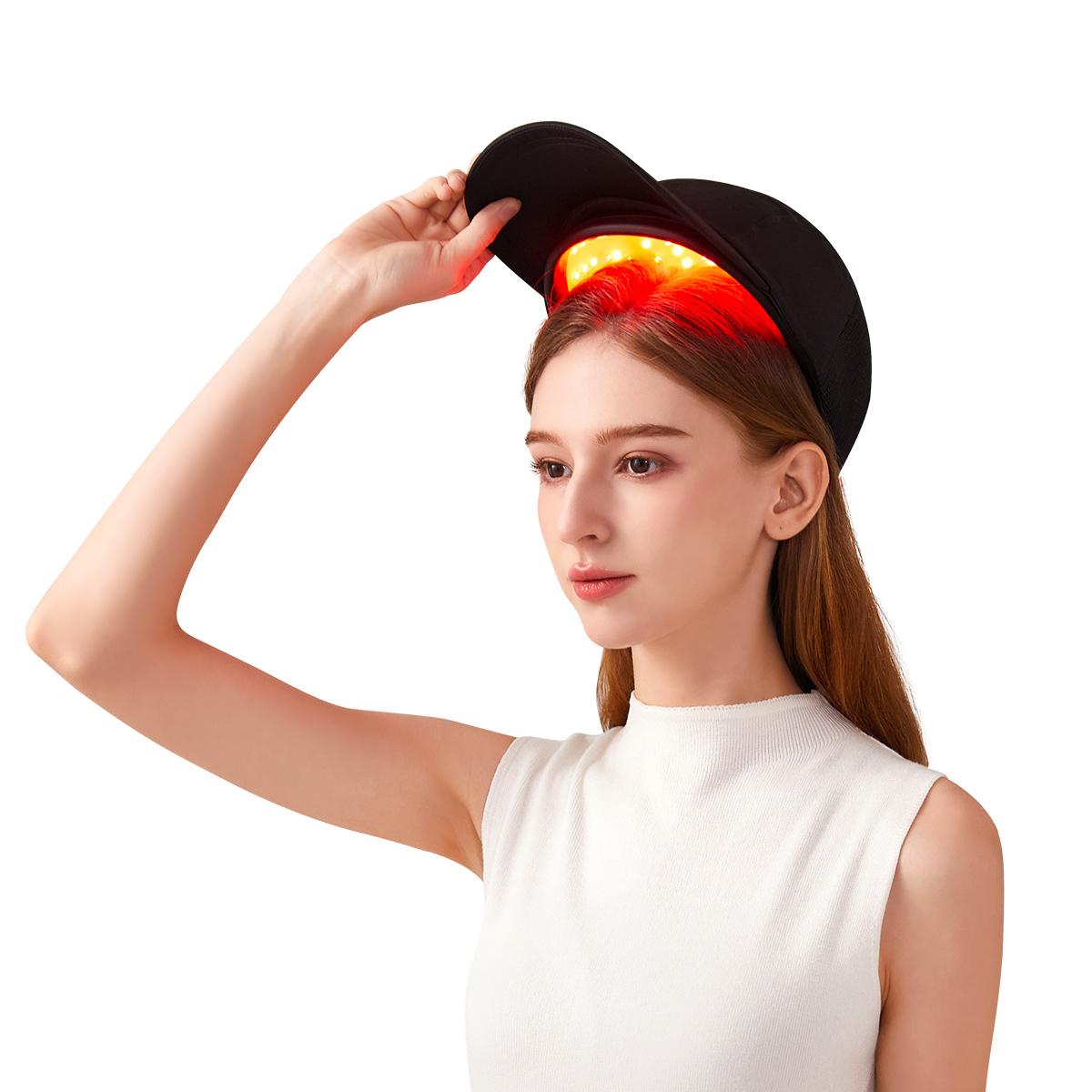
Walking into your first low-level laser therapy session can feel a bit like stepping into a quiet, dimly lit spa room. You won't need to change out of your clothes as long as the treatment area is accessible. After a quick chat about your comfort level and any recent changes in your symptoms, you'll settle into a supportive chair or treatment table. The practitioner will hand you a pair of protective eyewear—usually tinted goggles—to shield your eyes from the gentle red or near-infrared light. Unlike many medical procedures, there's no gel, no cold sensation, and absolutely no pain. The device itself might be a handheld wand that glides over your skin or an array of LED panels that hover just inches away.
The actual treatment often lasts anywhere from a few minutes to half an hour, depending on the area being addressed. At first, you might feel nothing at all, or perhaps a mild, soothing warmth—like sunlight on a spring day. There's no vibration, no buzzing, just a steady, calming glow. Many people doze off or let their minds wander during the session. The practitioner stays nearby, sometimes adjusting the position of the light source or checking in to make sure you're still comfortable. If you're treating a joint or muscle, they may ask you to gently move the area afterward to gauge any immediate changes. Don't be surprised if you walk out feeling a subtle sense of relaxation or a slight tingle in the treated zone.
After the session, you're free to go about your day as usual—no downtime required. Some notice a temporary increase in blood flow that can make the area look a little pink for an hour or so. The effects tend to build gradually, so while you might feel a bit looser or less achy right away, the deeper healing responses often unfold over the next day or two. It's common to schedule a series of appointments, as the cumulative effect of light on cellular metabolism is what really drives longer-lasting changes. Hydration is gently encouraged, and your practitioner may suggest avoiding strenuous activity for a few hours, but other than that, there are no strict rules to follow. It's a low-key, repeatable ritual that fits easily into a busy life.
Real Results: Before and After Insights from Early Adopters
When the first group of teams started using the platform, their workflows were tangled in spreadsheets and manual updates. One project manager recalled spending over ten hours each week just aligning task statuses across departments. Within four weeks of adoption, that same process became a 20-minute review session, freeing up time for strategic planning that had been neglected for months.
Early feedback highlighted more than just time savings. A marketing director shared that before integrating the tool, campaign tracking was a guessing game — they often discovered budget overruns days too late. After the shift, real-time dashboards made mid-campaign adjustments immediate, leading to a 34% boost in return on ad spend during their very first month of full use. The difference was stark enough that the team voluntarily rolled it out to other branches.
Perhaps the most unexpected insight came from a sales lead who admitted their conversion data was previously “a fog of intuition.” Once automated lead scoring and follow-ups kicked in, they saw a clear pattern: personalized outreach triggered within the first hour of inquiry closed at almost twice the rate of delayed responses. That behavioral shift wasn't just a process improvement — it reshaped how they hired and trained new reps, proving that the real gains often surface in places no one thought to measure.
Who Can Benefit Most from This Therapy—and Who Should Avoid It
This therapy can be transformative for individuals dealing with persistent stress, anxiety, or mild to moderate depression, especially those who feel stuck despite trying conventional approaches. It’s also well-suited for creative professionals, caregivers, and anyone navigating major life transitions—like career changes or personal loss—who seeks a structured yet adaptable method to regain balance. If you’re emotionally self-aware and motivated to explore your inner landscape, the techniques can amplify your natural coping skills without relying solely on medication.
On the other hand, those with severe psychiatric conditions such as schizophrenia, active psychosis, or severe bipolar disorder should steer clear unless under close specialist supervision, as some methods may unintentionally worsen disorganized thinking. Similarly, individuals in acute crisis—for instance, experiencing suicidal ideation—need immediate crisis intervention rather than this reflective practice. People who are resistant to introspection or unwilling to engage in the required emotional work may find the process frustrating rather than helpful, making it a poor match for anyone seeking a quick, effortless fix.
Combining LLLT with Other Hair Restoration Methods for Maximum Impact
Combining low-level laser therapy (LLLT) with other hair restoration methods can unlock synergistic benefits that no single treatment can achieve alone. For instance, pairing LLLT with topical minoxidil has been shown to enhance follicular responsiveness, as the laser energy improves microcirculation and cellular metabolism, potentially allowing the minoxidil to work more effectively. This dual approach not only accelerates the visible results but also helps maintain the growth phase longer by addressing multiple underlying factors of hair loss simultaneously.
Another powerful combination involves integrating LLLT with platelet-rich plasma (PRP) therapy. Since LLLT prepares the scalp environment by stimulating cellular activity and promoting vasodilation, it may create a more receptive bed for the growth factors introduced through PRP injections. Patients often report a noticeable reduction in shedding and faster regrowth when these two modalities are used in tandem, compared to when either is used in isolation.
To truly maximize impact, it's also essential to complement LLLT with a nutrition-focused lifestyle approach and consistent scalp care. Unlike standalone devices, a well-rounded regimen that includes dietary supplements like biotin or omega-3s, along with gentle scalp massages and medically formulated shampoos, creates a holistic ecosystem for hair regrowth. When LLLT is embedded into this comprehensive strategy, the cumulative effect tends to be more robust and sustained, leading to outcomes that feel naturally integrated rather than treatment-driven.
FAQ
LLLT stands for low-level laser therapy. It's a non-invasive treatment that uses red or near-infrared light to stimulate hair follicles. The light energy is absorbed by cells, boosting blood flow and cellular activity in the scalp. This can help revive dormant follicles, leading to thicker, healthier hair growth over time.
Recent advances have made LLLT more effective and convenient. Newer devices often use medical-grade lasers with optimized wavelengths and energy output. They're designed for better scalp coverage and may include features like flexible caps, cordless operation, and shorter treatment times. Some also incorporate additional technologies to enhance results, making them a leap forward from earlier models.
Generally, LLLT is safe for most adults experiencing androgenetic alopecia or general thinning. It's painless and free of major side effects. However, it's not recommended for children or individuals with certain scalp conditions like active infections or photosensitivity. If you're unsure, consulting a specialist before starting is always wise.
Patience is key. Most users start noticing less shedding after a few months, with visible regrowth often taking 4 to 6 months of consistent use. Results vary based on factors like the extent of hair loss and individual response. Sticking to a regular schedule is crucial for the best outcome.
Absolutely, LLLT pairs well with other approaches. Many people use it alongside minoxidil, finasteride, or PRP therapy. It can also complement healthy lifestyle changes like improved diet and stress management. The synergy often leads to better overall results, but it's smart to discuss combinations with your doctor.
It shifts the focus from masking symptoms to addressing root causes without drugs or surgery. The latest LLLT devices are home-use, meaning consistent treatment is easier than ever. By safely stimulating natural regrowth with minimal effort, it empowers people to take control of their hair health in a way that wasn't possible before.
Conclusion
Low-level light therapy is quietly reshaping how we approach thinning hair, trading harsh chemicals and invasive procedures for a gentler, science-backed method that energizes follicles at the cellular level. Unlike minoxidil or finasteride, which rely on systemic absorption or hormonal manipulation, LLLT uses specific red and near-infrared wavelengths to stimulate mitochondria, boosting ATP production and nudging dormant follicles back into the growth phase. The treatment itself is surprisingly uneventful—sessions typically involve sitting under a cap or hood lined with medical-grade LEDs for around 20 minutes, with no heat, no pain, and no downtime. It’s the kind of routine you can scroll through your phone during, and because it works with your body’s natural cycles rather than overriding them, side effects are virtually nonexistent. What makes this approach feel different is the absence of a daily pill or messy topical solution; it’s a passive, cumulative process that aligns with how hair naturally regenerates, making it as much a lifestyle tweak as a clinical intervention.
Early adopters are already sharing compelling before-and-after snapshots, many noting visible thickening around the temples and crown after three to six months of consistent use—results that often surprise even skeptics. The therapy isn’t a one-size-fits-all miracle, though; it performs best for those in the earlier stages of androgenetic alopecia or diffuse thinning, while individuals with completely bald patches or scarring alopecias typically see little benefit and should steer clear. Interestingly, practitioners are now pairing LLLT with platelet-rich plasma injections and topical growth factors, discovering that light therapy seems to prime the scalp environment, making follicles more receptive to other treatments. This synergy is pushing the conversation beyond standalone solutions, framing hair restoration as a menu of complementary options where LLLT serves as the safe, foundational layer. By folding it into a broader regimen, people are finding that they can not only halt shedding but also coax back meaningful density without sacrificing their scalp’s health in the process.
Contact Us
Contact Person: Leon Yi
Email: [email protected]
Tel/WhatsApp: +86 17363316873
Website: https://zzgt.en.alibaba.com/