
OEM Assembly Cylinder Head: Essential Insights for Automotive Enthusiasts
2026-07-27
For anyone serious about engine performance, the cylinder head is where the magic happens—or the mayhem begins. Whether you're rebuilding a classic or chasing horsepower, understanding OEM assembly cylinder heads can save you from costly mistakes. At DDR, we've seen how a quality head transforms an engine, and we're here to share the insights that matter. In this post, we'll strip away the myths and focus on what every automotive enthusiast needs to know about OEM assembly cylinder heads.
The Secret Behind OEM Cylinder Head Construction
When you peek beneath the surface of an OEM cylinder head, what you're really seeing is a product of relentless refinement. It's not just about casting aluminum or iron—the real story lies in the proprietary alloy blends and the exacting cooling passage geometries that are born from millions of miles of thermal and stress analysis. These aren't off-the-shelf designs; they're engine-specific solutions that balance weight, heat dissipation, and structural rigidity down to the last millimeter.
The machining phase adds another layer of nuance. OEMs employ multi-axis CNC systems that hold tolerances often tighter than what the aftermarket can economically replicate. This ensures that valve seats are perfectly concentric, deck surfaces are impeccably flat, and each combustion chamber volume is matched to the rest. Beyond the metal itself, the integration of valve stem seals, spring loads, and even the texture of the port walls is tuned to minimize oil consumption and maximize flow efficiency over the long haul.
How OEM Assemblies Differ from Loose Components
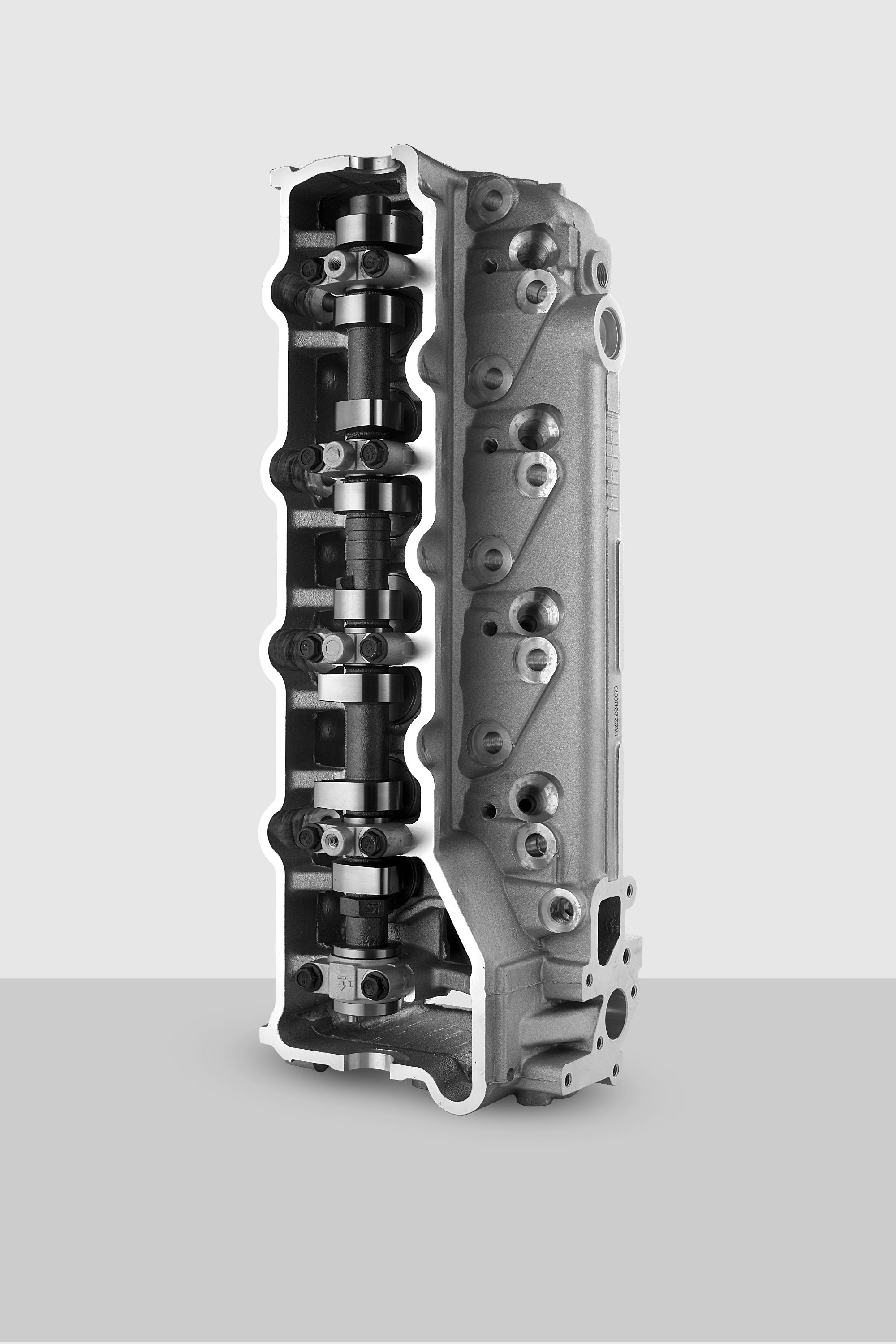
OEM assemblies are engineered to work as a complete unit, integrating multiple parts that have been precisely matched for compatibility. Unlike loose components, which require individual sourcing and testing, these assemblies arrive ready to install. This eliminates the guesswork of mixing brands or tolerances, reducing the risk of premature failure caused by mismatched parts.
A key distinction lies in performance validation. OEM assemblies undergo rigorous system-level testing to ensure that every element functions correctly under real-world conditions. Loose components, on the other hand, are often tested in isolation, leaving the burden of compatibility checks to the installer. This can lead to hidden inefficiencies that only surface after deployment.
Over the long term, OEM assemblies offer a significant advantage in maintenance and reliability. With a single cohesive unit, troubleshooting becomes more straightforward, and warranty coverage typically extends across the entire assembly. Opting for loose components may seem cost-effective initially, but the hidden expenses of sourcing, verifying, and maintaining a patchwork of parts often surpass the up-front investment in a pre-assembled solution.
Spotting Potential Problems Before They Worsen
Most workplace disasters don't start with a bang—they start with a whisper. A slight dip in team morale, a project milestone slipping by a few days, or a key client growing just a bit quieter than usual. The trick is learning to hear those whispers before they become shouts. Too often, managers rely on formal reporting structures that bury these early signals in layers of analysis. But the people closest to the work usually sense trouble first. Creating simple, informal check-ins—a quick coffee chat with a team lead, or scanning comments in a project management tool—can surface issues that never make it into a status report.
Pattern recognition is another underused skill. When the same friction point shows up in different teams or the same type of delay repeats across quarters, that's not bad luck—it's a systemic crack forming. Instead of waiting for a post-mortem, try keeping a running log of small anomalies. A five-minute weekly review of these patterns can reveal that a brief dip in response times from a vendor, for example, correlates almost perfectly with later quality issues. Catching that early means you can adjust before a contract dispute erupts.
Then there's the human element that data often misses. Sometimes a competent employee starts missing small deadlines, or a usually engaged stakeholder becomes oddly disengaged. These aren't performance problems yet; they're subtle shifts that can indicate burnout, misalignment, or an external stressor. Approaching with curiosity rather than judgment—maybe a simple, "I've noticed you seem stretched lately, any way I can help?"—can surface a problem that, if left alone, might lead to a resignation or a blown initiative.
A Practical Guide to Torque and Tightening Sequences
Torque isn't just a number on a wrench—it's the language of load, stretching fasteners just enough to create a sustainable clamping force. Miss this target and you either leave a joint loose or stretch a bolt past its yield point, inviting failure. Understanding the relationship between applied torque, friction, and tension is a starting point, but real-world assemblies require more than textbook numbers. Lubrication, thread condition, and even the speed of tightening shift the actual preload dramatically. The trick is learning to read the variables, not just repeat a spec.
Sequencing matters far more than most realize. Gasketed joints, flanges, and multi-bolt patterns demand a deliberate order of tightening to avoid warping, uneven loading, and leaks. A spiral sequence from the center outward, used on cylinder heads, is entirely different from the crisscross approach needed on a wheel hub. The pattern distributes stress incrementally, allowing the joint to settle evenly. Skipping steps or rushing the final passes often causes a false torque reading—bolts that seem tight but relax minutes later. Thermal cycles then finish the job, loosening what you thought was secure.
No guide can replace a feel developed through practice, but starting with clean threads, consistent lubrication, and a calibrated wrench sets the baseline. Always break in multiple passes, working up to full torque in stages. When you hit the final value, pause—give the connection a moment to relax, then recheck. Those extra minutes can prevent a comeback later. And if you're ever in doubt, loosen one fastener and retorque it while watching the pattern. Sometimes the best wisdom comes from seeing how a small change affects the whole assembly.
Material Selection: Why It Matters for Daily Driving
The materials used in a car shape far more than its looks—they directly influence how the vehicle behaves on everyday roads. From the stiffness of the chassis to the weight of the body panels, each choice affects ride comfort, noise levels, and even fuel consumption. Lighter materials like aluminum or high-strength steel can make a car feel more agile and responsive, while sound-deadening layers in the floor and doors keep tire roar and wind noise at bay. It’s these subtle, often overlooked details that turn a routine commute into a genuinely pleasant experience.
Durability and safety are also deeply tied to material selection. Components that face constant stress—suspension arms, brake rotors, engine mounts—need to withstand years of heat, vibration, and corrosion without failing. Modern composites and treated metals resist rust and fatigue far better than the materials of decades past, meaning fewer trips to the mechanic and greater peace of mind. In a minor collision, advanced high-strength steels can crumple in a controlled way to absorb impact, while the passenger cell stays rigid. These engineering decisions aren’t just about lab tests; they play out every time you hit a pothole or brake hard on a wet morning.
Even the sensory aspects of driving—what you see, touch, and feel—depend on careful material choices. Soft-touch plastics on the dashboard, real metal accents on knobs, and fabric that resists fading in sunlight all contribute to a cabin that ages gracefully. Outside, paint formulations and clear-coat technologies fight off scratches and UV damage, keeping the car looking fresh without constant waxing. When manufacturers get these details right, the car becomes a reliable companion rather than just a machine, making daily driving not just tolerable, but genuinely rewarding.
Making the Right Choice: OEM, Remanufactured, or Aftermarket
The decision between OEM, remanufactured, and aftermarket parts isn’t just about price—it’s about balancing quality, longevity, and your specific needs. OEM components come straight from your vehicle’s manufacturer, promising an exact fit and unwavering performance. They’re the safest bet if you’re keeping the car long-term or want to maintain its warranty. The downside? The price tag can be steep, and you’re usually limited to what the dealer stocks.
Remanufactured parts, on the other hand, are a smart middle ground. They’re factory-rebuilt to meet original specs, often with worn components replaced, and they typically cost 30–50% less than new OEM. It’s an eco-friendly choice that doesn’t skimp on performance, but availability can be limited to high-demand items like alternators or brake calipers. Always check the warranty: a solid one tells you the rebuilder stands behind their work.
Then there’s the aftermarket world, brimming with options from budget to high-performance. While cheap no-name parts might save money upfront, they can wear faster or fit poorly. Stick to reputable brands—those with proven track records and solid warranties—and you can get OEM-level quality for less. The key is knowing what matters most for your vehicle: safety-critical systems usually deserve OEM or top-tier aftermarket, while cosmetic or non-essential fixes can handle a riskier pick.
FAQ
An OEM assembly cylinder head is a factory-produced unit that arrives fully assembled with valves, springs, and seals installed to the original manufacturer's specifications. Unlike many aftermarket heads, which might use generic castings or one-size-fits-all components, an OEM piece guarantees the exact materials, machining tolerances, and valve seat geometry the engine was designed for. For a purist, that means no guesswork on fitment or flow characteristics.
It comes down to reliability and everyday drivability. Performance heads often sacrifice low-end torque or fuel economy for peak horsepower, whereas an OEM head preserves the engine's intended power band and cold-start behavior. If you're restoring a classic or maintaining a daily driver that sees occasional autocross, the OEM unit offers a painless, factory-backed solution without the tuning headaches.
Any engine with tight deck height tolerances or integrated timing components sees the biggest benefit. Overhead-cam engines from BMW, Honda, and Subaru, for example, rely on precise cam journal alignment that budget aftermarket castings often miss. Turbocharged direct-injection models also favor OEM heads because the cooling jacket and knock sensor provisions are exactly where engineers placed them.
Start by verifying the casting number on your existing head, not just the engine code, because revisions exist. Confirm whether the new assembly includes camshafts if your engine uses an overhead-cam setup—some are sold bare. Also, check if you need a core return; genuine OEM assemblies sometimes require you to send back the old unit to avoid a surcharge.
The plug-and-play nature makes it friendlier than rebuilding a head yourself, but it's still a major job. You'll need a torque wrench, a service manual for the bolt sequence, and patience with timing chain or belt alignment. Since the head arrives assembled, you skip the valve lash adjustment and seat grinding—that alone can save a novice a full weekend of fiddling.
Persistent overheating, white exhaust smoke, or milky oil point to a cracked head or blown gasket that may have warped the surface. An OEM replacement restores the exact combustion chamber volume and flatness spec, so as long as the block deck is clean and straight, those symptoms vanish. It's a permanent fix, not a band-aid.
Upfront, a new OEM piece costs more than a rebuild kit—often two to three times as much. But factor in machine shop labor, new guides, a valve job, and the risk of discovering a hidden crack mid-rebuild, and the gap narrows fast. If your time is valuable and you want a warranty, the assembled OEM route often pencils out smarter.
They generally include valves, springs, retainers, seals, and sometimes the camshafts. Gaskets, head bolts, and dowel pins are not included, so you'll need a fresh gasket set and new stretch bolts if specified. Always download the parts diagram for your VIN—some applications require separate purchases for things like the cam position sensor bolt or the thermostat housing.
Conclusion
When you delve into the heart of an engine, the cylinder head assembly stands as a marvel of precision engineering. OEM units aren’t merely a collection of parts; they’re built with secret synergies—valves seated to exact depths, guides honed to micron tolerances, and seals that are factory-tested as a complete system. Unlike piecing together loose components, an OEM assembly arrives ready to bolt on, eliminating guesswork and ensuring that every element, from the camshafts to the springs, works in harmony. Material choice is also baked into this advantage: manufacturers select alloys specifically for daily thermal cycles, resisting warping and corrosion over years of stop-and-go traffic. This is why an OEM head often outlasts cheaper alternatives and maintains consistent compression without the headaches of mix-and-match repairs.
Staying ahead of trouble requires a trained eye and ear. Subtle hints like coolant discoloration, a rough idle, or ticking noises can signal a failing head gasket or worn valve seals—catching these early prevents catastrophic failure. When you do need to install a cylinder head, torque values and tightening sequences are non-negotiable; even a slight deviation can distort the deck and lead to leaks. I always follow the factory pattern religiously, using a quality torque wrench. And when it’s time to decide between buying new, remanufactured, or aftermarket, think about your goals. OEM gives you original fit and longevity, but a reputable reman can save money if done to strict standards. Aftermarket options might offer performance gains, yet they often sacrifice the everyday durability that makes an OEM assembly the smart long-term investment for daily driving.
Contact Us
Contact Person: Shelly
Email: [email protected]
Tel/WhatsApp: 8613967667688
Website: https://www.yongyu.com/