
Pizza Box Supplier How to Pick the Right Packaging Partner
2026-11-16
Choosing the right pizza box supplier is about more than just cardboard—it’s about protecting your product, reinforcing your brand, and streamlining your operations. With countless vendors out there, how do you find a partner who truly understands your needs? From material quality and customization options to delivery reliability and sustainability, the decision can make or break your business. Here’s what to look for, and why a trusted name like Zemeijia is worth considering.
Why a Box Is More Than a Container
A box is often dismissed as the most ordinary thing in the room—something to be broken down and recycled once its contents are out. But watch how a child treats an empty cardboard box. It becomes a fort, a ship, a hiding place that no adult can fully enter. The same plain walls that once held a product now hold an entire imaginary world. That shift doesn’t come from the box itself; it comes from the way we relate to it when its original purpose disappears.
Beyond play, a box carries a strange kind of silence. It doesn’t announce what’s inside, and that restraint makes it valuable. The most ordinary mailer can hold a handwritten letter, a replacement part that fixes a broken machine, or something entirely unexpected. In that sense, a box is a pause before meaning—an object that asks us to open it, to participate in the moment of discovery. It’s not just storage; it’s a small act of trust between sender and receiver.
Even in its most practical form, the box shapes how we organize our lives. The neatly folded shirt that arrives in a slim, unbranded package feels different from one crammed into a plastic bag. A well-made box can make an ordinary object feel chosen, cared for. That’s why some people keep the box long after the product is gone—not because they need it, but because the box itself has become a reminder of an experience. It stops being a container and starts being a kind of memory.
Vent Holes That Save the Slice
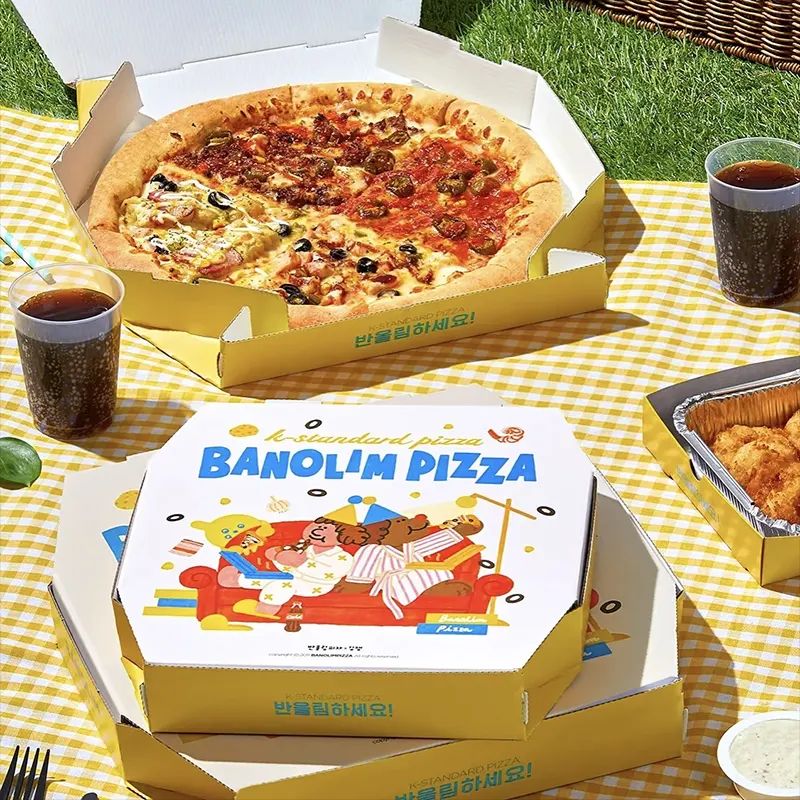
The real magic happens before the blade even touches the crust. Those three small vent holes—often dismissed as decorative—serve as pressure release valves. Without them, steam trapped inside the rising dough would tear through the top, leaving you with a lopsided, cracked mess that nobody wants to slice.
But placement matters more than most recipes admit. Cluster the holes too close to the center and the edges balloon unevenly. Space them too far toward the rim and the middle still domes like a bad mushroom. The sweet spot? A loose triangle spanning the middle third, letting the filling breathe without turning the whole thing into a soggy crater.
Here's the part nobody tells you: vent holes also control texture. A tiny gap lets the sauce thicken while the cheese browns slowly, building that stretchy pull instead of a watery slide. It's the difference between a slice that holds its shape on a paper plate and one that disintegrates before your second bite.
What the Supplier Won't Tell You About Minimums
Most suppliers will tell you a minimum order quantity is all about covering production costs, but that's rarely the whole story. In plenty of cases, the MOQ is more of a customer filter. They want to see if you're serious enough to commit to a larger volume, because servicing a tiny order takes almost as much administrative effort as a mid-sized one. Once you recognize this, you can position yourself as a long-term partner rather than a one-time buyer—often leading to more flexible terms than the official MOQ suggests.
Here's another thing suppliers won't volunteer: minimums are frequently negotiable, especially if you're willing to adjust other parts of the deal. Offering to pay a higher unit price, accepting longer lead times, or agreeing to less favorable payment terms can make a small order suddenly workable. Ask what's actually behind their MOQ—raw material batch sizes, machine setup time, or warehouse space—and you'll usually find a way to bring the number down without anyone losing money.
Some suppliers also set high minimums simply to reduce the number of small accounts they have to manage. Their real priority is profit per hour, not order size. If you're a smaller buyer, proposing a trial order at a premium price or accepting partial shipments over time can break the logjam. The supplier gets the margin they need, and you get your foot in the door without overcommitting inventory you're not ready to move.
The Moisture Test Every Box Should Pass
A box that wilts at the first sign of humidity is not ready for real-world shipping. The moisture test separates packaging that holds its shape from cardboard that turns soft and buckles under pressure. It is less about laboratory precision and more about knowing whether your boxes can survive a damp truck floor, a rainy loading dock, or a humid warehouse.
One practical approach starts with weighing a dry box, then placing it in a controlled high-humidity environment for several hours. After that, weigh it again. A small increase in weight is normal, but anything above a certain threshold signals that the fibers are absorbing too much water. You can also press a flat palm against the side panels. If the surface feels spongy or leaves a slight dent, the box is likely losing its structural integrity.
Passing the test means the box keeps at least a reasonable share of its original stacking strength after exposure. If not, it is time to adjust the board grade, add a moisture-resistant coating, or reconsider how the boxes are stored before use. The goal is not to make every box waterproof, but to ensure it fails slowly and predictably rather than collapsing when conditions get slightly damp.
Green Claims Worth a Second Look
A growing number of brands now pepper their packaging with terms like “plant-based,” “eco-friendly,” or “carbon-neutral.” These labels sound reassuring, yet they often rest on thin evidence or narrow definitions. A shirt made from recycled bottles might still be shipped across oceans and dyed with harsh chemicals. Likewise, a “biodegradable” cup may only break down inside a commercial composting facility, not in your backyard bin. The first step to spotting greenwashing is to ask what exactly the claim covers. Does it account for the full life cycle—from raw material to disposal—or just one convenient slice?
Another red flag is vague language without numbers or independent verification. Phrases like “greener choice” or “kind to the planet” mean little unless a brand backs them with measurable data. Look for third-party certifications, such as the EU Ecolabel or Cradle to Cradle, which require audits rather than self-declaration. Even then, compare the fine print: a product may earn a badge for low emissions during manufacturing while ignoring heavy water use or exploitative labor. A genuine green claim should be specific, transparent, and open to scrutiny—not a marketing flourish.
Consumers can also hold companies accountable by tracking promises over time. A pledge to become “net zero by 2050” without short-term milestones or progress reports deserves skepticism. The most trustworthy brands publish yearly updates, name their suppliers, and admit when targets slip. By treating every green claim as a hypothesis rather than a fact, shoppers reward businesses that invest in real change instead of clever slogans. After all, a second look costs nothing, but it can save money, resources, and trust in the long run.
When a Late Truck Costs You More Than a Box
A missing pallet sounds like a small problem until a plant manager is standing on an empty loading dock with forty workers waiting for brake calipers. The truck that should have arrived at 6 a.m. is stuck behind a jackknifed rig outside Indianapolis, and every hour of idle assembly time burns through payroll, utilities, and missed shipment slots. The box itself might be worth $80; the stopped line costs closer to $12,000 an hour once you factor in overtime to catch up and the air-freight bill for the backup parts.
Then there are the penalties that never show up on a freight invoice. A major retail buyer docks three percent for every late order, and after two delays they quietly move your shelf space to a competitor. Your sales team spends the next quarter explaining why the spring promotion launched with empty displays, while your customer service inbox fills with tracking-number requests. No one measures the trust you burned until the next contract renewal comes up short.
Some companies learn to price lateness into every quote. They keep a small safety stock of finished goods near key customers, run parallel carriers for critical lanes, or at least negotiate realistic delivery windows instead of promising the impossible. The smartest move is to treat an overdue truck as a production failure, not a shipping hiccup, and have a recovery plan that goes beyond filing a claim for the damaged carton.
FAQ
Look for someone who understands heat, grease, and stacking pressure. A good partner asks about your oven temps, delivery radius, and average box size before recommending liners or venting.
Corrugated board with a grease-resistant liner tends to perform best. For high-moisture toppings, ask for a vented design or a kraft base that wicks steam away from the crust.
Ask about their production schedule and backup facilities. A trustworthy supplier will share lead times openly, including holiday spikes, and won't promise same-week turnaround if they can't hold it.
Often yes, if the design works hard. A simple logo and phone number on a plain kraft box can remind customers where the great slice came from, without needing a full-color print job.
Request documentation for the liner and adhesives. The supplier should be able to confirm the box meets FDA or local food contact standards, not just say 'food grade' in a brochure.
Yes, but it usually comes from smarter sizing, mixed pallet shipping, or switching to a lighter board where possible. Beware of anyone who drops strength to hit a number.
At least two weeks of real deliveries, ideally across different weather. You want to see how the box holds up with condensation, stacked orders, and the occasional tilted bag.
Conclusion
Choosing a pizza box supplier often starts with price, but the smartest operators know a box does real work. It traps steam that can ruin a crisp base, so those small vent holes are not decoration—they let moisture escape while keeping heat in. A box that fails this basic job turns a perfect pie into a floppy mess before it reaches the customer. Many suppliers quietly hide details about minimum order quantities. What looks like a low per-box rate can force you into a warehouse full of stock you won't use for months, tying up cash and space. Ask about true minimums, storage terms, and whether you can adjust sizes or print runs as your menu changes. If a supplier won't talk plainly about these numbers, that's a warning sign.
The moisture test is another non-negotiable. Put a hot, slightly greasy slice in a sample box, close the lid, wait ten minutes, and check the bottom. If it's soggy or the cardboard softens too quickly, the coating or board weight isn't right. Green claims also deserve a harder look. Recycled content sounds good, but it can break down faster with heat and oil. Ask for proof of third-party certification, not just a leaf logo. Finally, remember that a late truck hurts more than a damaged box. A missed delivery during dinner rush can halt your entire operation. Partner with a supplier who has local backup options, honest lead times, and a record of showing up. The right packaging partner protects both your product and your peace of mind.
Contact Us
Contact Person: Sasha Du
Email: [email protected]
Tel/WhatsApp: +86 13869836645
Website: https://www.zmjpackagings.com/