
Porcelain Insulator: A Durable, High-Performance Solution for Electrical Systems
2026-01-05
In the world of electrical infrastructure, reliability is non-negotiable. Introducing porcelain insulators – a time-tested, high-performance solution that ensures safety and efficiency across power systems. At Lugao, we combine this durable material with innovative design to create products that withstand extreme conditions and minimize downtime. What makes our approach stand out, and how can it transform your electrical projects? Dive in to discover the engineering excellence behind every Lugao insulator and explore why they are the smart choice for modern grids.
Unmatched Durability: Why Porcelain Insulators Outlast the Elements
Porcelain insulators have long been the go-to choice for high-voltage power lines and substations, and their resilience in the face of harsh environmental conditions is a key factor. Unlike materials that degrade quickly under UV exposure, porcelain maintains its structural integrity over decades. It resists corrosion from salt spray in coastal areas and withstands extreme temperature fluctuations, from scorching summers to freezing winters, without cracking or losing insulating properties. This durability ensures that power transmission systems remain reliable and safe, even in the most demanding climates.
Another reason porcelain outlasts the elements lies in its low water absorption rate. When moisture penetrates other insulators, it can lead to electrical leakage and failure, but porcelain's dense, vitrified surface repels water effectively. This makes it ideal for rainy or humid environments, preventing short circuits and reducing maintenance needs. Combined with its resistance to pollution and chemical contaminants, porcelain offers a level of performance that newer materials often struggle to match, providing long-term cost savings by minimizing replacements and repairs.
Moreover, porcelain's history of proven performance adds to its appeal; it has been tested in real-world scenarios for over a century, from arid deserts to storm-prone coastlines. Innovations in glazing and manufacturing have enhanced its resistance to weathering, ensuring it doesn't just survive but thrives under duress. This unmatched durability means fewer outages and a smaller environmental footprint, as durable insulators reduce waste and energy loss over time, making porcelain a sustainable choice for modern infrastructure.
High-Performance Engineering for Enhanced Electrical Safety
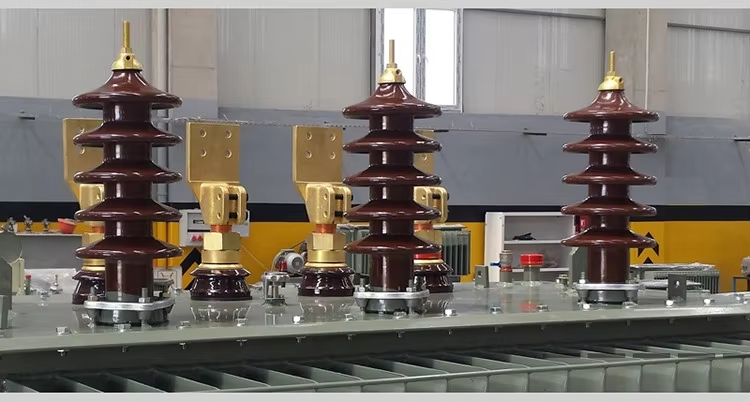
In today's fast-paced technological landscape, high-performance engineering is pivotal for bolstering electrical safety across industries. These advanced systems are designed not just to meet basic regulatory standards but to proactively mitigate risks through smarter monitoring and automated responses. By integrating real-time data analytics with robust hardware, engineers can detect anomalies before they escalate into hazards, ensuring that both personnel and equipment are shielded from potential electrical failures.
Beyond reactive measures, enhanced electrical safety relies on innovative materials and cutting-edge design principles that prioritize durability and resilience. For instance, the use of non-conductive composites and thermal-resistant coatings can significantly reduce the likelihood of short circuits and overheating in high-stress environments. This proactive approach transforms safety from a compliance checklist into a core operational advantage, allowing facilities to maintain uptime while minimizing incident-related downtime.
Ultimately, the synergy between high-performance engineering and electrical safety fosters a culture of continuous improvement, where each technological advancement contributes to a safer, more reliable infrastructure. As industries evolve, embracing these tailored solutions ensures that safety protocols are not just maintained but elevated, setting new benchmarks for operational excellence.
Versatile Applications Across Diverse Electrical Systems
In modern electrical systems, versatility has become a key driver of innovation, enabling components and technologies to adapt seamlessly from residential grids to industrial complexes. For instance, advanced transformers now handle fluctuations in renewable energy sources, ensuring stable power distribution even in hybrid setups. This adaptability reduces downtime and enhances efficiency, making systems more resilient against unexpected loads or environmental shifts.
Beyond traditional infrastructure, these applications extend to emerging sectors like smart homes and electric vehicles, where integrated sensors and controllers manage diverse power demands. By supporting multiple voltage levels and communication protocols, they facilitate interoperability across disparate networks, fostering a cohesive ecosystem that prioritizes user convenience and operational flexibility.
Looking ahead, the expansion into specialized fields such as medical devices and aerospace underscores the critical role of cross-compatibility. Tailored solutions that bridge gaps between low-power electronics and high-voltage machinery not only enhance safety but also unlock new possibilities for innovation, driving progress across the electrical landscape.
Cost-Effective Longevity: Reducing Maintenance and Replacements
Achieving cost-effective longevity starts with smart design choices that minimize the need for frequent repairs. By selecting durable materials and robust components, systems can withstand daily wear and tear, ensuring they stay functional longer without constant upkeep. This proactive approach not only cuts down on unexpected downtime but also fosters reliability in operations, making it a strategic investment for any organization looking to streamline expenses.
Another key aspect involves implementing predictive maintenance strategies that leverage data and technology to anticipate issues before they escalate. Instead of waiting for parts to fail, regular monitoring and targeted interventions can extend the lifespan of equipment, reducing the frequency and cost of replacements. Over time, this forward-thinking method builds a culture of prevention, where every maintenance action contributes to sustained performance and long-term savings.
Ultimately, cost-effective longevity is about balancing upfront investments with lifecycle benefits to achieve enduring value. By focusing on solutions that require minimal intervention and offer scalability, businesses can avoid the pitfalls of recurring replacements and focus resources on growth. This holistic view transforms maintenance from a routine chore into a core component of sustainability, ensuring that assets continue to deliver returns well into the future.
Superior Insulation Properties for Optimal Energy Efficiency
Imagine a home that feels cozy in the dead of winter without blasting the heater, or stays refreshingly cool during a summer heat wave without relying on the air conditioner. That's the magic of superior insulation properties—it's like wrapping your building in a high-performance thermal blanket that keeps the desired temperature locked in and the extremes out. By minimizing heat transfer through walls, roofs, and floors, this advanced insulation ensures that energy isn't wasted on constant heating or cooling adjustments. The result? You enjoy a consistently comfortable living space year-round while slashing your utility bills and reducing your environmental footprint.
What sets top-tier insulation apart is its ability to tackle thermal bridging—those sneaky spots where heat escapes through studs, windows, or gaps that traditional materials might miss. Using innovative materials like aerogels or vacuum-insulated panels, modern solutions create a seamless barrier against energy loss. This isn't just about stuffing more fiberglass into walls; it's a precision-engineered approach that considers airflow, moisture resistance, and long-term durability. For instance, some products can maintain their insulating power for decades without sagging or degrading, ensuring your investment pays off well into the future.
Beyond the technical specs, superior insulation transforms how we interact with our environments. It leads to quieter interiors by blocking outside noise, improves indoor air quality by reducing drafts that can carry pollutants, and even supports structural integrity by preventing moisture-related damage. When integrated with smart design—like strategic window placement or reflective coatings—the synergy boosts energy efficiency to new heights. Essentially, it's not an add-on but a foundational element that makes buildings smarter, more sustainable, and inherently more valuable in today's eco-conscious world.
Innovative Designs Tailored to Modern Infrastructure Demands
As urban landscapes evolve, the demand for infrastructure that seamlessly integrates with modern living has never been greater. Our innovative designs go beyond mere aesthetics to address functional needs, ensuring that every project not only looks cutting-edge but also enhances connectivity, sustainability, and efficiency. By leveraging user-centered methodologies, we create solutions that adapt to changing societal trends, whether it's smart cities or resilient transport networks.
Embracing a collaborative approach, our team draws inspiration from diverse fields like renewable energy and digital technology to craft bespoke designs that are both scalable and future-proof. This means each initiative is tailored to specific environmental and economic contexts, avoiding one-size-fits-all pitfalls and delivering infrastructure that truly serves its community for decades to come.
What sets our work apart is the integration of predictive analytics and real-time feedback loops, allowing designs to dynamically respond to usage patterns. This proactive stance ensures that modern infrastructure not only meets today's demands but anticipates tomorrow's challenges, creating spaces that are both innovative and inherently adaptable to the unforeseen demands of a fast-paced world.
FAQ
Porcelain's dense, non-porous structure resists weathering and electrical tracking, ensuring long-term stability and reduced maintenance needs.
Unlike polymers that may degrade under UV exposure or pollution, porcelain maintains its mechanical strength and insulation properties in extreme temperatures and corrosive conditions.
Yes, manufacturers can adjust the design, glaze, and shape to handle voltages from low distribution lines to high-voltage transmission systems, with standardized or bespoke options.
High-temperature firing and glazing create a vitrified surface that resists moisture absorption and surface leakage, which is critical for preventing flashovers.
Its proven track record, fire resistance, and minimal aging effects make it a cost-effective choice for infrastructure where longevity and safety are paramount.
Regular visual inspections for cracks or contamination, combined with occasional cleaning in polluted areas, can prevent performance degradation without frequent replacements.
While resistant to most factors, heavy industrial pollution or salt spray may require special glazes or designs to mitigate surface conductivity and maintain insulation integrity.
Conclusion
Porcelain insulators stand as a cornerstone in electrical systems, offering unparalleled durability that ensures long-term resilience against harsh environmental elements. This unmatched durability not only extends their lifespan but also reduces the need for frequent maintenance and replacements, making them a cost-effective choice for diverse applications. Their high-performance engineering enhances electrical safety, providing reliable insulation that minimizes risks of failures and accidents in various infrastructure settings.
Moreover, porcelain insulators boast superior insulation properties that optimize energy efficiency while supporting modern infrastructure demands through innovative designs. Their versatility across diverse electrical systems allows for tailored solutions that meet specific operational needs, from traditional power grids to advanced renewable energy setups. By integrating these aspects, porcelain insulators emerge as a robust, performance-driven solution that balances longevity, safety, and efficiency in today's evolving electrical landscapes.
Contact Us
Contact Person: Doreen
Email: [email protected]
Tel/WhatsApp: 8618057712366
Website: https://www.liugaopower.com/