

Raised Floor Supplier: What to Ask Before You Commit
2026-11-16
Choosing a raised floor supplier isn’t just about price—it’s about avoiding costly mistakes down the road. Whether you’re outfitting a data center, office, or industrial space, the right questions can reveal hidden risks in load ratings, panel quality, and after-sales support. Many buyers only discover these gaps after installation, when fixes are expensive and disruptive. That’s why we’ve put together the essential questions to ask before you sign anything. In this guide, you’ll learn how to vet manufacturing standards, warranty terms, and customization options—so you don’t get stuck with a floor that underperforms. At Lipin Floor, we believe transparency is the foundation of every trusted partnership. Read on to make your next raised floor decision with confidence, not guesswork.
Can They Prove Load Capacity Without Making You Dig Through Fine Print?
A manufacturer that actually stands behind its load ratings will put the test data right up front. You shouldn't have to click through five subpages or download a PDF just to see whether a rack holds 2,000 pounds or 2,200. Look for specific figures tied to a named testing standard, not vague phrases like "heavy-duty" or "industrial strength." If the spec sheet lists a load capacity but the fine print quietly adds "when evenly distributed across all shelves," that's a red flag. Real-world use rarely distributes weight perfectly, so honest companies will tell you what happens under point loads or uneven stacking without being asked.
Ask for the destructive test report. These documents show where the product actually failed during testing, not just where the marketing team hoped it would hold. A trustworthy supplier will send one over without making you sign an NDA first. If they won't share it, assume the number on the website is optimistic. Also check whether the rating comes from a third-party lab or from the manufacturer's own in-house testing. There's nothing wrong with internal tests, but third-party verification closes the gap between a confident claim and a proven one.
One more thing: watch for unit confusion. A 5,000-pound capacity might refer to the entire structure, a single shelf, or a pair of beams. If the sales page doesn't make that distinction obvious, you'll only find out after a shelf starts bowing. The best companies spell out both uniform load and concentrated load capacities for each component. When the numbers are clear enough that you don't need a magnifying glass, that's usually a sign the engineering behind them is solid too.
How Do the Panels Stand Up to Humidity, Spills, and Daily Wear?
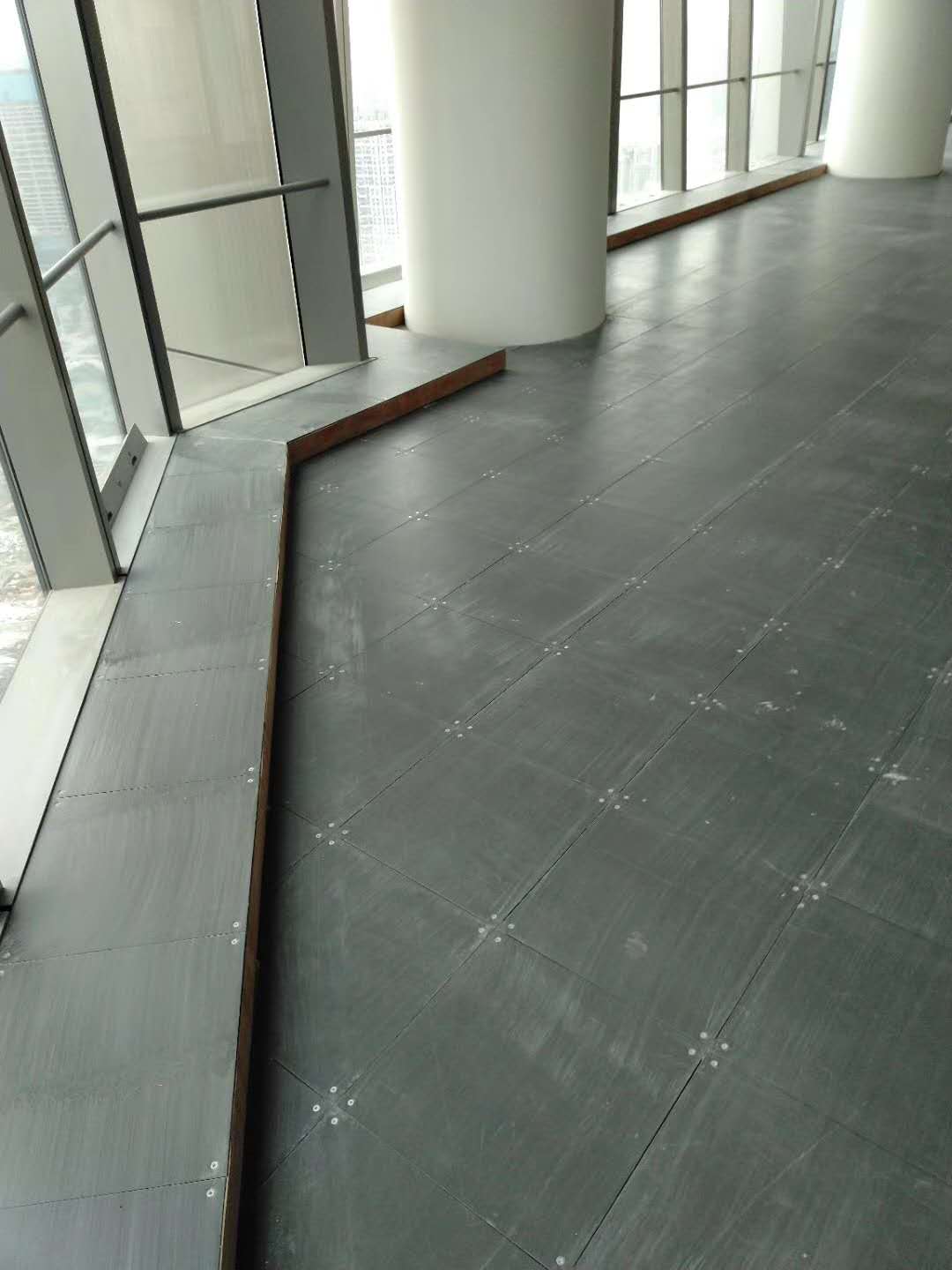
Humidity is usually where lesser panels start to fail, but these hold their shape remarkably well. The moisture-resistant core doesn't absorb water the way standard MDF or particleboard does, so you won't see swelling at the edges or bubbling under the finish—even in bathrooms, laundry rooms, or coastal homes with salty, damp air.
Spills are another reality of daily life, and this surface handles them without drama. Coffee, red wine, juice, or grease can be wiped away with a damp cloth, and there's no lingering stain or dull spot left behind. The finish is non-porous enough that liquids sit on top rather than sinking in, which also makes cleanup faster than scrubbing grout or raw wood.
Daily wear from backpacks, pet claws, and cleaning products doesn't leave a visible history on these panels. The top layer resists fine scratches and scuffs, so high-traffic areas like hallways and kitchens keep their clean look longer. Even after years of routine wiping and occasional impacts, the color stays consistent and the edges remain tight.
Does the Airflow Design Match the Real Layout of Your Equipment?
Airflow assumptions often fall apart when you compare the original design drawings to the equipment actually sitting in the room. A rack layout that looks balanced on paper can create dead zones if cable bundles, power distribution units, or side panels block the intended path. Before trusting any CFD model or thermal map, walk the floor and note where obstructions sit in relation to vented tiles and return grilles.
The real layout rarely matches the schematic perfectly. Equipment depth varies from vendor to vendor, and a server that extends further than expected can choke the cold aisle or push hot exhaust toward an intake. Even small gaps—like a missing blanking panel or an open cable cutout—redirect air in ways the original plan never anticipated. Measuring actual clearances and comparing them against the airflow simulation helps you spot where the design is only theoretical.
Another mismatch shows up when equipment is added or moved without updating the airflow plan. A new storage array placed next to a high-density compute rack can steal cool air and leave the original hot aisle containment less effective. Rather than assuming the design still holds, verify the current physical arrangement every time a device is installed, relocated, or retired. The airflow design only works if it reflects the layout you actually operate, not the one you drew six months ago.
What’s the Installer’s Experience With Spaces Like Yours?
When an installer walks into a space that mirrors yours, they're not guessing—they're drawing on muscle memory. Tight corners, older wiring, unusual ceiling heights: these are the details that shape their approach before a single tool is unpacked. A contractor who has handled half a dozen rooms with the same stud spacing and ductwork quirks can spot potential snags in minutes, not hours. That familiarity means fewer surprises mid-job and a cleaner finish at the end.
Ask about the last project they did in a similar footprint. Listen for specifics: how they routed cable through a plaster wall, what they did when the breaker panel didn't match the blueprint. Installers who have seen your layout before tend to bring a calm, almost conversational confidence to the work. They'll point out where the previous owner cut corners or where moisture might be hiding—details a first-timer would miss entirely.
This kind of repeat exposure also shapes recommendations. A seasoned installer won't just mount a bracket—they'll suggest anchoring into the header rather than drywall if they've dealt with a sagging beam in a room like yours. Their past experience becomes a shortcut to a sturdier, safer job, and you'll hear it in the way they talk about load ratings and stud finders without pausing to think.
How Transparent Is the Warranty About Movement and Long-Term Repairs?
Most warranty booklets make a big show of covering the movement, but the actual wording often hides more than it reveals. Things like 'normal wear and tear' or 'lack of proper maintenance' get tossed around without clear definitions, so you can't tell whether a mainspring that loses tension after four years counts as a defect or just expected aging. If the document doesn't state exactly which movement parts are included and how wear is assessed, that's a red flag.
Long-term repairs are where the fine print gets especially fuzzy. A warranty may promise coverage for five or ten years, yet exclude any issue that develops after the first service interval unless you can prove the watch was serviced by an approved technician on the exact schedule. Shipping costs, replacement movement availability, and labor for disassembly and reassembly are sometimes left out of the written terms entirely, which leaves you guessing about the real out-of-pocket cost down the road.
Before buying, request a copy of the full warranty text rather than the marketing summary. Look for specific timelines for diagnosis, whether they cover partial movement repairs or insist on full replacement, and what happens to the repair warranty if a fix fails after the original coverage ends. If the answers are vague or buried in appendices, that lack of clarity usually carries through to the actual service experience.
Will the Floor Adapt to Future Cable Runs Without Major Rework?
A floor's real value shows up when you need to move a workstation or add a new data line without tearing up the slab. Raised access flooring earns its keep here because individual panels lift out cleanly, giving you a direct path to underfloor cable trays, power distribution boxes, and data outlets. If the void below is at least 100 mm deep and the panels are not buried under fixed partitions, most cable additions become a matter of rerouting rather than rebuilding.
Look for systems that pair removable panels with modular power and data distribution. Instead of running a home-run cable back to a central closet every time, you can tap into pre-installed zone boxes or consolidation points. That keeps moves and changes to a few metres of new cable. Floors with integrated cable channels or poke-through devices also reduce the need to cut holes later, which is where rework costs start to climb.
If the floor relies on poured screed or glued-down finishes, even a small cable change can mean chasing channels, patching, and waiting for materials to cure. By contrast, a well-planned raised floor lets facilities teams complete many additions in under an hour, often without shutting down adjacent areas. That kind of adaptability rarely comes from the floor material itself; it comes from how the void, panels, and distribution hardware are specified from day one.
FAQ
Most suppliers will hand you a load rating chart and leave it there. Ask them to walk you through a specific example, like a fully loaded server rack being rolled across the floor on casters. The right panel won't just hold the static weight; it needs to handle the point load where the caster meets the surface. If they can't explain that difference in plain language, walk away.
This is where cheap suppliers fall apart. A proper raised floor system uses reinforced cutout panels or pre-engineered air panels that maintain structural integrity. Ask to see test data or photos from a project that had heavy cable traffic and HVAC demands similar to yours. If they only show you blank panels, they're not ready for real-world use.
Some suppliers will happily sell you a 20-pack because their inventory system can't handle single replacements. Others will ship you one matching panel in two days. The answer tells you everything about how they treat you after the sale. Push for a clear policy on single-panel replacement and matching finishes, especially if your room will see frequent reconfiguration.
Anyone can look good at the ribbon-cutting. You want to talk to facility managers who have lived through panel sag, pedestal loosening, and underfloor cleaning. Ask those references what actually failed and how quickly the supplier responded. If the supplier hesitates to provide long-term references, that's a red flag.
The answer should include specific leveling methods, like adjustable pedestals with a wide range, and a willingness to send an engineer to survey before quoting. If they say 'we'll make it work' without asking about your subfloor condition, you're dealing with a sales team that doesn't understand raised floors.
Many suppliers will quote you six weeks for new panels but can't tell you how long a single replacement stringer takes to ship. Push for a service-level agreement on spare parts. If they don't have a local warehouse or a clear process for emergency orders, your downtime becomes their problem to ignore.
Interoperability matters more than people think. A good supplier will either match your current grid pattern or be upfront about adapter costs. If they only offer a closed system, the savings on day one could turn into a massive expense the first time you need to expand or replace a section.
Not all raised floors are created equal when it comes to environments that aren't a perfectly climate-controlled data center. Ask for salt-spray test results or similar evidence, not just a datasheet claim. If they can't provide that, assume the coating will start flaking in a few years.
Conclusion
Before signing with a raised floor supplier, dig into the specifics that show whether their product can handle your actual conditions—not just the brochure. Ask for test results or third-party documentation that verify load capacity in terms you can cross-check, without hiding behind vague "designed to spec" claims. Panels should have a clear story for humidity swings, spilled liquids, and the kind of scuffs and dents that come from rolling equipment. If the answer is a shrug or a link to a 40-page PDF, you're not getting assurance; you're getting homework. Airflow is another deal-breaker: a supplier who doesn't ask where your racks, CRAC units, and cable bundles actually sit can't tell you if the perforated tiles will cool the gear or just the aisle.
Equally telling is how the installation team talks about past projects. Ask for examples in spaces similar to yours—same ceiling height, same subfloor quirks, same downtime windows. A crew that only knows pristine data halls will struggle in an older building with uneven slabs. Warranty language matters more than the length: find out if movement-related issues like rocking panels or loose pedestals are covered, and how repairs are handled after year three. Finally, think ahead. Will the floor accept new cable runs without cutting extra openings or rebuilding sections? If adjusting pathways means major rework, the system is already obsolete before your next refresh cycle. These questions reveal whether a supplier is selling a floor or building a long-term foundation.
Contact Us
Contact Person: yuki
Email: [email protected]
Tel/WhatsApp: +86 18664390732
Website: https://www.lipinfloor.com/