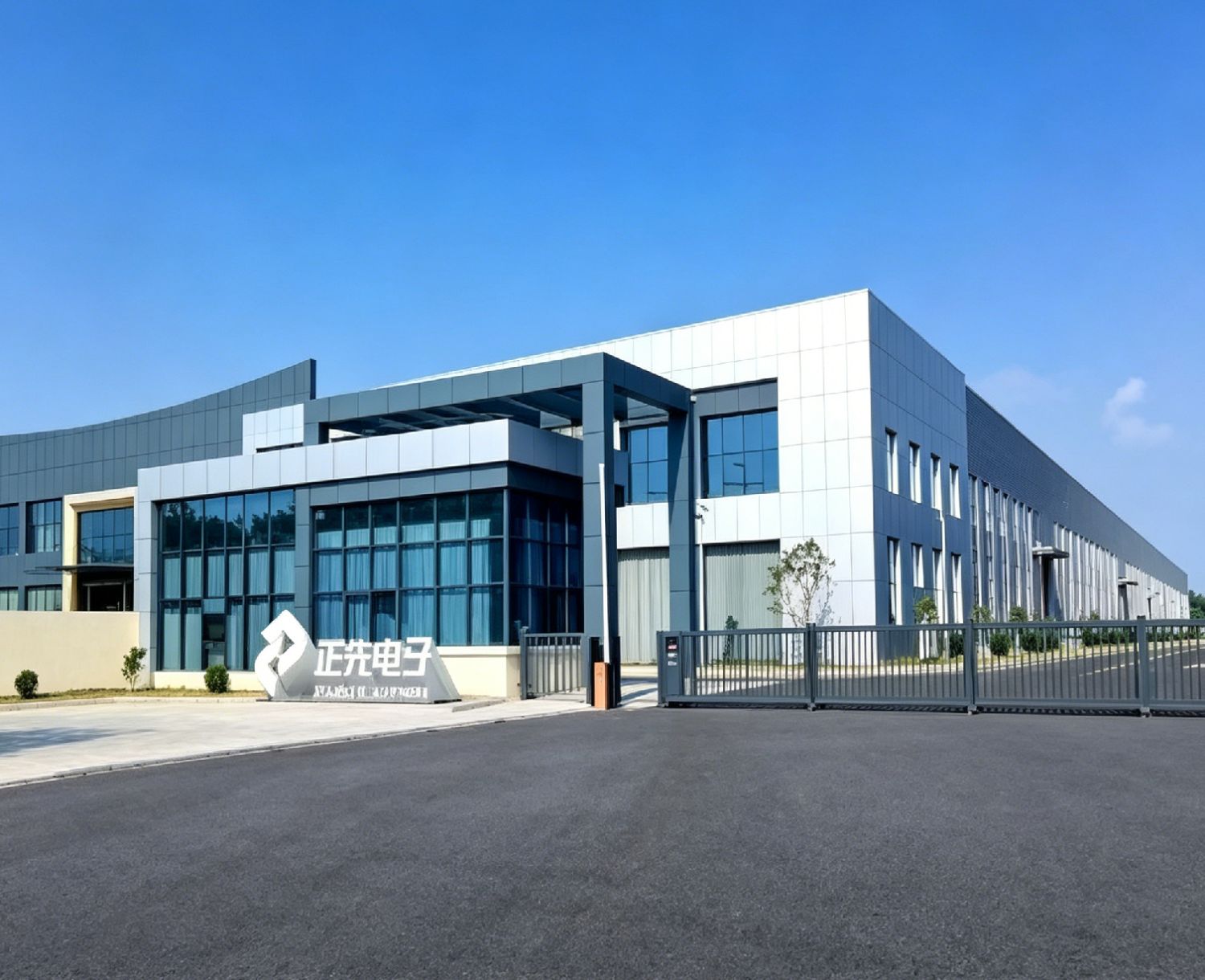

Smart Bench Factory: Innovating Public Spaces with Intelligent Seating Solutions
2026-07-17
Imagine a park bench that does more than offer a place to rest. In the heart of our cities, a quiet revolution is unfolding—one where seating becomes smarter, greener, and deeply connected. Leading this shift is Zemso, a smart bench factory crafting intelligent seating solutions that transform ordinary public spaces into hubs of innovation. With integrated solar charging, Wi-Fi, and environmental sensors, these benches are redefining what it means to sit outdoors. Curious about the technology behind them? Let’s explore how Zemso is reshaping urban life, one smart bench at a time.
Redefining Urban Rest Stops
Urban rest stops have lingered far too long as purely functional, uninspired spaces—little more than a bench and a trash bin. Their redefinition calls for a fundamental shift in perspective: what if these pauses in the cityscape became micro-destinations in their own right? By weaving in local art, seasonal plantings, and flexible seating that invites both solitude and social connection, a simple sidewalk niche can transform into a cherished neighborhood asset. It's about treating these small footprints as opportunities to inject delight and respite into the daily commute, turning a passive experience into an active moment of engagement with the city.
The new wave of urban rest stops prioritizes sensory richness and environmental responsiveness. Instead of harsh concrete, materials like reclaimed wood, living walls, and textured stones soften the encounter, while thoughtful shading and cooling elements respond to the local climate. Soundscapes—whether through subtle water features or curated ambient audio—can mask traffic noise and create a pocket of calm. Inclusion is key: seating at varied heights, braille signage, and navigation aids for the visually impaired ensure the space welcomes everyone. These interventions reject the idea that public comfort should be stripped-down and one-size-fits-all, embracing complexity and care.
Perhaps most crucially, the rest stop reimagined becomes a catalyst for community interaction. Integrating small book exchanges, digital noticeboards for local events, or even pop-up coffee carts can turn a transient spot into a place where paths cross and conversations spark. Planners are now collaborating with local residents to shape these spaces, ensuring they reflect the identity and needs of the surrounding area. What emerges is a network of humble yet vibrant nodes that do more than let you catch your breath—they subtly reinforce the social fabric, reminding us that even the briefest pauses can deepen our connection to the places we inhabit.
Harnessing Solar for Seamless Connectivity
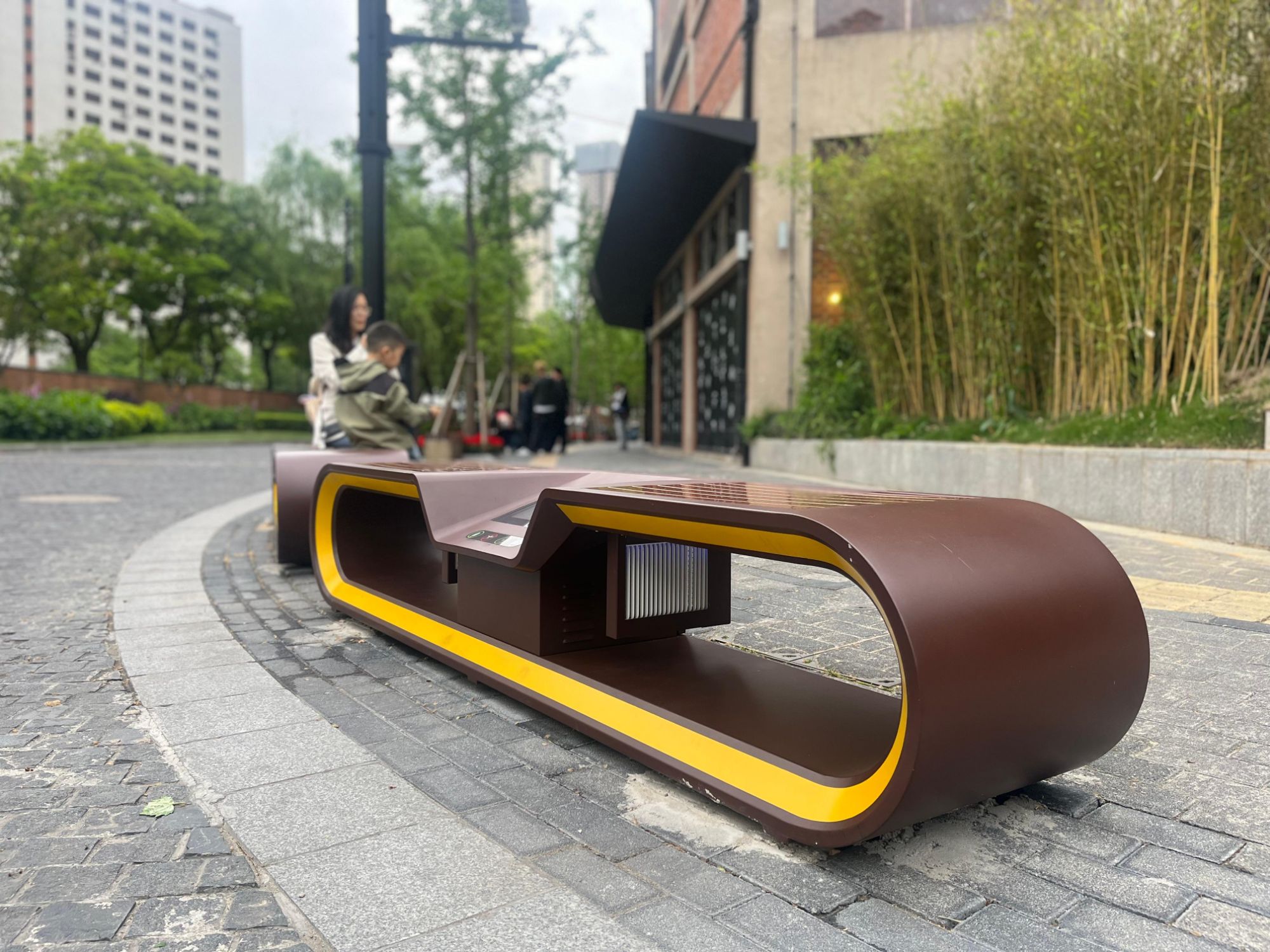
Imagine a world where remote corners stay linked without relying on fragile power grids. Solar energy turns that into reality, fueling base stations and repeaters that keep signals strong even off the beaten path. It’s not just about saving on electricity bills—it’s about building networks that thrive where traditional infrastructure falters.
Solar-powered setups cut the tether to diesel generators and unstable mains, slashing maintenance runs and carbon footprints. Panels integrated into telecom towers soak up the sun by day, storing energy for uninterrupted operation through the night. This self-sufficiency means connectivity doesn’t blink when the grid fails, keeping emergency services and local communities online.
Beyond reliability, there’s an elegance in letting light bridge distances. Photovoltaic skins on drones or portable terminals offer on-the-spot links during disaster recovery or outdoor events. By merging renewables with smart routing, we sidestep the clutter of cables and the choke of energy bottlenecks, making always-on access a simple, sun-fueled norm.
Crafting Eco-Conscious Civic Furniture
Designing furniture for public spaces demands a deeper consideration than mere material selection; it’s about rethinking the entire lifecycle of each piece. We source discarded urban timber, post-industrial metals, and even reclaimed ocean plastics, not as afterthoughts but as primary resources. Every scratch and knot in the wood tells a story of its previous life, transforming what would be waste into fixtures that carry an authentic, unvarnished character. This approach moves beyond token gestures, creating durable installations that encourage communities to see the hidden potential in their own surroundings.
The fabrication process itself emphasizes localized production and modular adaptability. By partnering with regional workshops and master craftspeople, we minimize transport emissions while supporting artisanal skills that might otherwise fade. Joints are designed for disassembly, not demolition—an armrest or slat can be replaced individually, extending the bench’s lifespan indefinitely. It’s a quiet shift from the disposable mindset, making each component accountable for its footprint and inviting citizens to become stewards of the spaces they share.
Personalized Comfort in Public Spaces
Public spaces often sacrifice individual ease for the sake of uniformity, but personalized comfort flips that script. Instead of rigid benches and one-size-fits-all settings, imagine seating that adjusts to your posture, microclimates you can control with a tap, and lighting that shifts to match your mood. It’s about acknowledging that a bustling plaza or a quiet library corner should feel just as welcoming to someone who needs a firm backrest as to someone craving a sun-drenched spot to nap.
The real magic happens when design anticipates your unspoken needs. Smart materials can cradle you differently based on how long you’ve been sitting, while acoustic zoning lets you tune out the city hum or let it in. A public space becomes a personal retreat when the bench remembers your preferred recline angle or the park canopy adapts to filter just the right amount of sunlight—turning a fleeting visit into a respite that feels custom-made.
Beyond gadgets, personalized comfort rethinks the social contract of shared places. It’s the freedom to define your own zone without walls: a misting station that follows you on a hot day, a heated pavement that melts ice only where you walk, or a community table that morphs into a standing desk when you need a stretch. When public spaces bend to individual rhythms, they feel less like shared leftovers and more like a network of invisible, cozy corners waiting just for you.
Data-Driven Urban Planning, One Bench at a Time
The quiet placement of a single bench might seem insignificant against the scale of a city’s master plan, yet these small fixtures are increasingly becoming focal points for a revolution in urban design. Planners now tap into streams of anonymized location data, footfall sensors, and community feedback apps to understand exactly where a place to sit will have the greatest impact. It’s not just about providing rest—it’s about testing theories of social interaction, microclimate comfort, and pedestrian flow in real time, then letting actual usage dictate whether that bench stays, gets moved, or multiplies.
This granular approach turns every street corner into a living laboratory. Rather than relying on generic standards—a bench every two hundred meters, for instance—cities can observe how a shaded seat near a bus stop alters waiting behaviour, or how moveable chairs in a plaza invite spontaneous gatherings that fixed benches never could. The data tells stories that drawings cannot: that elderly residents cluster where pavement is wide and smooth, that a lone bench facing a blank wall rarely gets used, and that a slight rotation toward a flower bed can transform a neglected spot into a beloved perch.
What makes this iterative method so compelling is its humility. It acknowledges that even the best-designed public space is really a hypothesis, waiting to be validated or reshaped by the people who occupy it. By starting small—with a bench—planners can build trust, showing communities that their everyday rhythms matter. Success spreads organically: a well-used seat encourages more investment, gradually weaving a tapestry of human-friendly details into the urban fabric, all grounded in evidence gathered one pause at a time.
Where Design Meets Digital Innovation
The intersection of thoughtful aesthetics and technological progress isn’t just a trend—it’s the heartbeat of modern creation. Here, form and function don’t compete; they collaborate, giving rise to experiences that feel intuitive yet surprising. Every pixel, every interaction is crafted to not only serve a purpose but to spark a connection, blending human-centered design with the relentless pace of digital evolution.
Innovation without design risks becoming cold and inaccessible, while design without innovation fades into the background. By weaving them together, we build environments that adapt, breathe, and grow with their users. This fusion turns complex systems into seamless journeys, where technology feels less like a tool and more like an extension of thought—responsive, elegant, and deeply personal.
What emerges is a new language of possibility. It’s not about chasing the next big thing but about sculpting meaningful moments that linger long after the screen goes dark. From micro-interactions that delight to grand digital landscapes that inspire, the dialogue between design and innovation reshapes how we interact with the world, one thoughtful detail at a time.
FAQ
Our core mission is to transform public seating by integrating smart technology, making urban spaces more connected, sustainable, and user-friendly. We don't just build benches—we create interactive hubs that enhance community life.
Most of our benches are solar-powered, using high-efficiency panels to run sensors, charging ports, and lighting without tapping into the grid. This off-grid design reduces carbon footprint and maintenance costs.
Each bench can include Wi-Fi hotspots, wireless phone charging, environmental sensors for air quality and noise, and LED lighting. It's a modular system, so cities can pick the features they actually need.
Our primary clients are city councils, campus administrators, transit authorities, and private developers looking to upgrade parks, bus stops, and pedestrian zones with modern amenities.
We focus on real-world durability with vandal-resistant materials and weatherproofing, plus an open API that lets cities integrate the bench data into their existing smart city dashboards. It's not just a gadget—it's infrastructure.
Installation is straightforward because the benches are pre-assembled and require only a basic foundation. Remote diagnostics alert our support team to issues, and we offer modular parts swaps to minimize downtime.
They only collect anonymized environmental and usage metrics—no personal identifiers. Data transmission is encrypted, and we follow GDPR and local regulations strictly. Privacy wasn't an afterthought.
Absolutely. We offer a range of materials, colors, and form factors, and our design team works with clients to adapt the look without compromising functionality. The goal is to blend in while standing out.
Conclusion
The humble park bench is undergoing a quiet revolution. No longer just a place to pause, these smart seating solutions are redefining urban rest stops by integrating solar-powered hubs that keep devices charged and people connected. Crafted from sustainable materials, each bench is a statement in eco-conscious civic furniture—blending durability with a low environmental footprint. The factory behind this transformation sees street furniture as an opportunity to infuse public spaces with both purpose and responsibility.
Beyond sustainability, these benches adapt to the user. Built-in sensors adjust heating or cooling for personalized comfort, while anonymized foot traffic data flows securely to city planners. This turns every seat into a node in a data-driven network, helping municipalities understand usage patterns without compromising privacy. It's where design meets digital innovation: elegant shapes hide powerful technology, making the city not just smarter, but more livable.
Contact Us
Contact Person: Leo
Email: [email protected]
Tel/WhatsApp: +86 18901905138
Website: https://www.zemsogroup.com/