
Top Complete Cylinder Head: Everything You Need to Know for Peak Engine Performance
2026-07-23
When it comes to unlocking the full potential of your engine, few components play as critical a role as the cylinder head. From airflow dynamics to combustion efficiency, the complete cylinder head is the beating heart of peak performance. But with so many options on the market, how do you choose the right one? That’s where DDR comes in—crafting precision-engineered solutions that set the standard. In this guide, we’ll dive deep into everything you need to know, helping you make an informed decision and get the most out of your build.
The Naked Truth About What a Complete Cylinder Head Really Does
Most drivers never think twice about the chunk of metal bolted to their engine block, but the cylinder head is the unsung hero of valve management and combustion efficiency. It seals the top of the cylinders, containing the controlled explosions that propel your car forward, while simultaneously housing a labyrinth of passages for air, fuel, coolant, and oil. Without it working in perfect sync, you’d lose compression, burn coolant, or simply end up stranded. The complete assembly is far more than a static lid—it orchestrates the precise timing of intake and exhaust strokes, turning raw fuel into usable power.
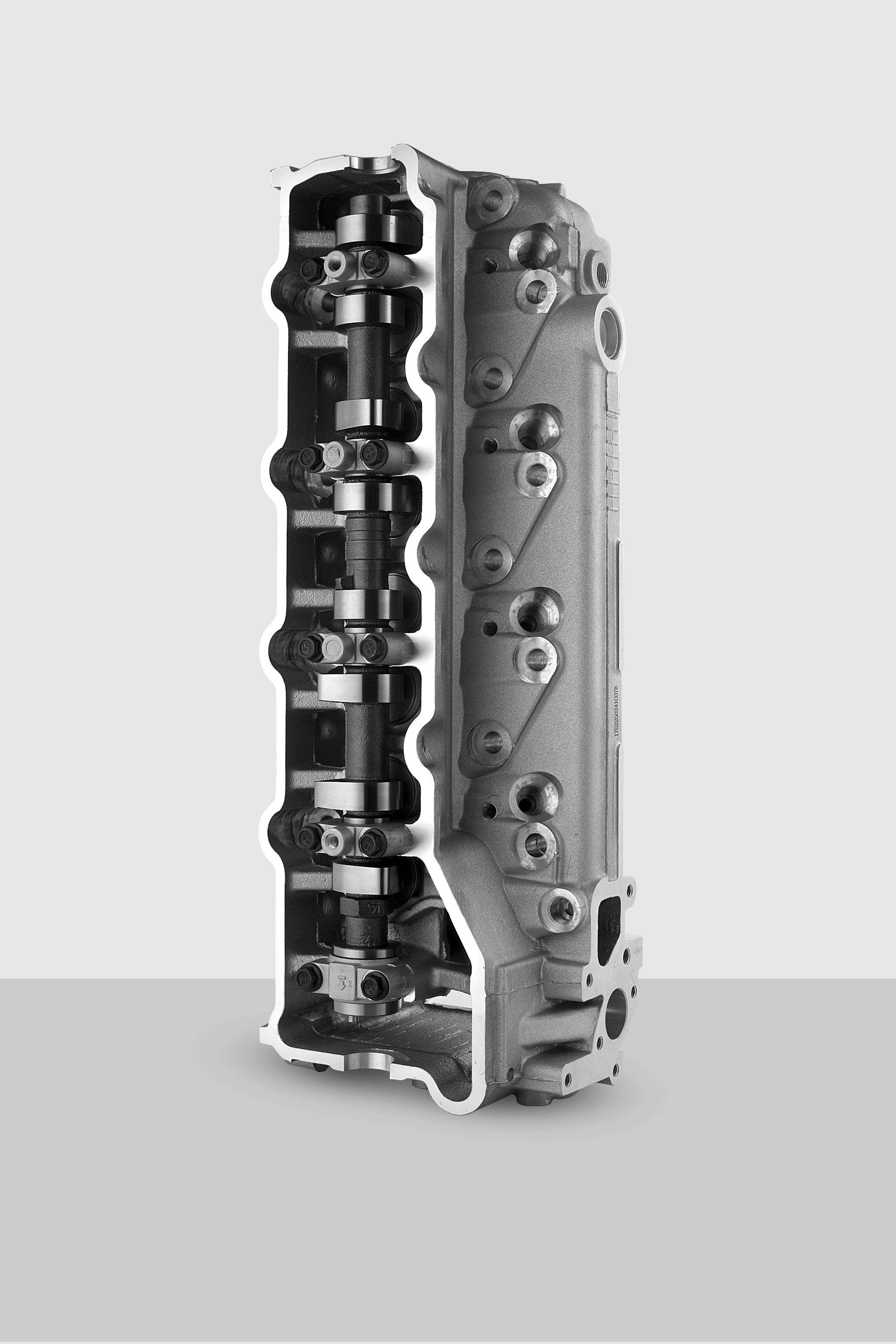
Beneath the casting lie the camshafts, valves, springs, and guides that all dance to a mechanical rhythm set by your timing chain or belt. When the cylinder head is truly complete, these components are factory-fitted or expertly machined, guaranteeing exact valve lash and eliminating the risk of a dropped valve seat. The casting itself is designed with intricate port shapes that promote swirl and tumble of the incoming charge—subtle fluid dynamics that give an engine its character, from low-end grunt to high-RPM scream. A well-designed head will have uniform coolant flow around hot spots like exhaust ports, preventing warpage even under extreme thermal stress.
But here’s what the specs don’t advertise: the head gasket’s job is only as good as the surface flatness and finish of that head. A complete cylinder head comes with a freshly machined deck, often with a specific roughness average (RA) to bite into modern multi-layer steel gaskets. The naked truth is that shortcuts here—like skipping the resurfacing or reusing stretched head bolts—lead to failures that are expensive and avoidable. When you install a truly complete head, you’re not just replacing a part; you’re restoring the tight seal that keeps high-pressure combustion gases where they belong and coolant in its jackets, letting the engine breathe, burn, and exhaust without compromise.
Cast Iron vs. Aluminum: A Battle of Heat, Weight, and Strength
When you pick up a cast iron skillet, the heft is immediate—it’s dense and slow to heat, but once hot, it holds temperature with a tenacity that’s hard to beat. Aluminum, by contrast, feels almost weightless in hand; it races to temperature and just as quickly loses it, making it a favorite where rapid adjustments matter. That trade-off between heat retention and responsiveness shapes everything from searing a steak to braking a car.
Strength takes on a different meaning with each material. Cast iron boasts incredible compressive strength, yet it’s brittle—drop it and it might crack instead of dent. Aluminum bends and yields, often surviving impacts that would shatter iron. In structural roles, engineers lean on aluminum’s superior strength-to-weight ratio, but in cookware, cast iron’s unyielding surface laughs off metal utensils and decades of use without warping.
Choosing between them rarely comes down to a single factor. A cast iron pan demands maintenance but rewards with a naturally nonstick patina and grill marks that scream flavor. An aluminum engine block sheds pounds and cools efficiently, yet it wears faster. Ultimately, the right pick lives in the specifics: the job, the budget, and how much you’re willing to wrestle with mass or embrace its momentum.
5 Overlooked Signs Your Head Gasket or Valves Are Crying for Help
It’s easy to chalk up little hiccups to an aging engine or bad fuel, but some symptoms are actually early distress signals from deep inside. You might notice the coolant level dropping with no visible leaks, or a faint, sweet-smelling white puff from the exhaust only on cold mornings. These aren’t just quirks—they’re clues that combustion gases are sneaking past a failing head gasket, or that a valve seal is letting coolant weep into places it shouldn’t.
Another subtle tip-off is the oil cap telling a story no one wants to hear. A thin, milky residue under the cap is often dismissed as condensation from short trips, but if it keeps coming back even after a long drive, it’s worth a second look. Similarly, a rough idle that feels like a misfire can sometimes trace back to a valve that isn’t seating properly, letting compression slip away a little at a time. Even a faint tick-tick-tick that vanishes once the engine warms up might be a valve train component begging for attention.
Because these signs whisper rather than shout, they’re easy to ignore until a major failure leaves you stranded. Paying attention to them early can mean the difference between a relatively straightforward repair and a full engine rebuild. If your gut says something is off, trust it—your head gasket and valves aren’t dramatic by nature, so when they cry for help, it’s usually in a voice you have to listen closely to hear.
The Porting Rabbit Hole: How Much Power Are You Actually Chasing?
It starts innocently enough. You read a forum post about polishing intake ports, see a few flow bench numbers, and suddenly you're convinced that every rough casting mark is robbing you of double-digit horsepower. Before you know it, the die grinder is out, the carbide burrs are chewing aluminum, and your weekends disappear into a cloud of metal dust. The allure of porting is real—it feels like the ultimate DIY power mod, a direct line to unlocking hidden engine potential without spending a fortune on bolt-ons.
But here’s the uncomfortable truth most gurus won’t tell you: on a stock or mildly modified street engine, the gains from casual porting are often negligible, sometimes even negative. Modern cylinder heads are already engineered with surprisingly efficient port shapes and velocities. Blindly hogging out material can kill air speed, hurt throttle response, and shift the powerband somewhere you’ll never use. That extra 5 cfm you picked up on the flow bench at peak lift might translate to a single horsepower at the wheels, if you’re lucky—and if you didn’t just ruin the port’s short-side radius in the process.
The porting rabbit hole gets deeper when you factor in the cost of proper tools, the time spent, and the very real risk of turning an expensive head into a paperweight with one slip. Unless you’re building a dedicated race engine where every last bit of airflow counts, you’re often chasing a phantom. That energy is better spent on a proper tune, a well-designed exhaust system, or simply seat time. Step back and ask yourself: are you really after measurable lap time improvements, or just the satisfying hum of a die grinder?
Aftermarket Heads That Actually Deliver vs. Overhyped Junk
The aftermarket cylinder head market is a minefield. Some brands offer precision-engineered castings that outflow stock heads by a wide margin, with thicker deck surfaces and improved cooling passages that genuinely unlock power. Others slap a fancy name on a poorly machined OEM-style casting, relying on flashy marketing rather than substance. The difference becomes obvious at the track—the right heads drop lap times, while the wrong ones just empty your wallet.
When we test, we look past the hype. We care about real flow bench numbers that match what the box claims, consistent chamber volumes, and valve jobs that don’t recoil after a few heat cycles. It’s about the details: correct spring pressures for your cam, guides that don’t wear prematurely, and combustion chambers that don’t detonate on pump gas. A lot of overhyped junk will show a big peak flow figure but absolutely wheeze at low and mid-lift, making the car a dog on the street.
Then there are the sleepers—companies that forgo magazine ads and instead invest in R&D, delivering heads that make power where it counts. These aftermarket heads often come from small shops with a reputation on the line, not conglomerates chasing profit margins. If you dig into forums and talk to engine builders who don’t have sponsorships, a handful of names come up again and again. That’s your shortlist. The bottom line: a truly effective aftermarket head transforms an engine’s personality, while overhyped junk just transforms your bank balance into frustration.
Avoiding the Top Installation Screw-Ups Even Pro Mechanics Make
Even seasoned mechanics can get tripped up by seemingly minor details that snowball into major headaches. One classic blunder is rushing through the torque sequence on cylinder heads or manifold bolts. Skipping the proper pattern or failing to gradually step up the torque in increments can warp mating surfaces, causing leaks that are a nightmare to track down later. It’s not just about the final number—the path you take to get there matters. Pros learn this the hard way, often after a comeback that eats into their flat-rate hours.
Another trap is blindly trusting aftermarket parts to match OEM specs. A gasket that’s a hair too thick, a seal that doesn’t quite compress right, or a sensor with a slightly different calibration can turn a straightforward job into a diagnostic puzzle. Experienced techs double-check critical dimensions and even compare old parts side-by-side before buttoning things up. They’ve learned that “direct fit” is sometimes an optimistic sales pitch, not a guarantee. Taking two minutes to verify can save a customer’s trust and a lot of wrench time.
Then there’s the silent killer: contamination. Popping open a box and slapping in a new component without meticulously cleaning the mating surfaces and surrounding area introduces dirt and debris that can destroy a part within days. Brake calipers, hydraulic pumps, and even simple bearing replacements all demand a sterile environment. The best mechanics treat a repair like a surgical procedure—they lay out clean rags, use brake cleaner liberally, and keep components capped until the last possible second. The extra care often makes the difference between a job that lasts and one that returns on a tow truck.
FAQ
A complete cylinder head is a fully assembled unit that includes valves, springs, seals, camshafts (if applicable), and all necessary hardware, already pre-installed and adjusted. It's called 'complete' because it arrives ready to bolt onto your engine block, eliminating the need to source and assemble individual components yourself.
Performance cylinder heads are designed with optimized airflow in mind. They often feature larger valves, smoother and larger intake and exhaust ports, and improved combustion chamber shapes. These changes allow the engine to breathe more freely, bringing in more air and fuel and expelling exhaust gases more efficiently, which translates directly to increased horsepower and torque.
Common symptoms include white smoke from the exhaust (indicating coolant leaking into the combustion chamber), overheating issues, poor engine performance or misfires, visible coolant or oil leaks around the head gasket area, and a milky substance on the oil cap or dipstick, which signals coolant mixing with oil.
The material affects weight, heat dissipation, and durability. Aluminum heads are significantly lighter, which reduces overall vehicle weight and improves handling, and they dissipate heat faster, helping to prevent detonation. Cast iron heads are more durable under extreme stress and heat but are heavier and less efficient at cooling. For high-performance applications, aluminum is often preferred for its thermal efficiency and weight savings.
While a skilled DIY mechanic with the right tools and a service manual can tackle the job, it's a complex task. It requires precise torque sequences, knowledge of timing chains or belts, and proper head gasket installation. If you're not confident, professional installation is strongly recommended to avoid costly engine damage from incorrect assembly.
Focus on airflow numbers, valve sizes, and compatibility with your camshaft and intake manifold. Look at the combustion chamber volume, as it affects compression ratio. You'll also want to ensure the head is compatible with your fuel type (pump gas vs. race fuel) and that it has quality components like stainless steel valves and good valve seals. Finally, check reviews and consider the reputation of the manufacturer for reliable quality control.
Conclusion
A top-tier complete cylinder head is the command center of your engine's breathing, and understanding it fully is what separates a reliable ride from a constant headache. It orchestrates the intake of fresh air, the expulsion of spent gases, and the containment of combustion, all while sealing the combustion chamber against the block. Choosing between a rugged cast iron unit and a lightweight aluminum one isn't just about weight savings—it's a trade-off battle of heat dissipation, structural integrity, and how those properties mesh with your power goals. And when things go wrong, the warning signs are often subtle: a mysterious coolant loss, that faint, erratic misfire at idle, or a puff of steam in the exhaust can all be your head gasket or valves silently pleading for attention.
Chasing more performance means navigating the porting rabbit hole with clear expectations, because not every extra hour of grinding translates into usable street power. Aftermarket heads can be game-changers, but the market is flooded with overhyped junk that promise miracles yet deliver little more than lighter pockets. When you finally have the right piece in hand, the installation is where many builds are made or broken. Even seasoned mechanics overlook critical steps like verifying pushrod length, chasing every bolt hole down to bare metal, or using a properly calibrated torque wrench on the critical multi-step sequence. A single rookie mistake, like reusing stretched head bolts or a dry gasket surface, can turn a premium investment into a scrap pile. This is the naked, practical truth about what a complete cylinder head really does, and why sweating the details is the only path to peak engine performance.
Contact Us
Contact Person: Shelly
Email: [email protected]
Tel/WhatsApp: 8613967667688
Website: https://www.yongyu.com/