

Turnkey Solutions: China's Path to Streamlined Success
2026-03-13
In a world where complexity often clouds innovation, China's journey with turnkey solutions offers a compelling blueprint for streamlined success. These comprehensive packages—where everything from design to implementation is handled seamlessly—are revolutionizing industries, reducing costs, and accelerating growth. As global players seek efficiency without compromise, this model stands out for its holistic approach. At GRM, we've witnessed firsthand how such strategies can transform operations, blending cutting-edge technology with practical execution. Join us as we explore the nuts and bolts of China's path, uncovering insights that could redefine your own business trajectory. Ready to see how a turnkey mindset might unlock your next breakthrough?
Understanding China's Turnkey Model for Business Growth
In today's global market, China's turnkey model has become a pivotal strategy for enterprises seeking rapid and efficient business expansion. This approach essentially provides a comprehensive package—from initial setup to full operational support—allowing foreign companies to bypass the complexities of navigating China's unique regulatory and cultural landscape. By offering end-to-end solutions, the model minimizes risks and accelerates market entry, making it particularly attractive for industries like manufacturing, technology, and retail where speed to market is critical.
What sets China's turnkey model apart is its deep integration of local expertise and resources. Unlike more hands-off outsourcing, this model often involves partnerships with local firms that handle everything from site selection and legal compliance to workforce training and supply chain management. For instance, a European automotive company might leverage this to establish a production facility in China, relying on local partners to manage day-to-day operations while maintaining strategic oversight. This collaborative approach not only ensures smoother adaptation to local norms but also taps into China's dynamic consumer base and innovation ecosystem.
While highly effective, businesses should approach this model with careful planning. It's not a one-size-fits-all solution; success often depends on selecting the right partners and aligning goals from the outset. Companies that actively engage in the process, rather than treating it as a passive investment, tend to reap greater benefits, such as enhanced market insights and long-term growth opportunities. In essence, China's turnkey model isn't just about outsourcing—it's a strategic pathway to sustainable expansion in one of the world's fastest-evolving economies.
Streamlining Operations with Integrated Turnkey Solutions
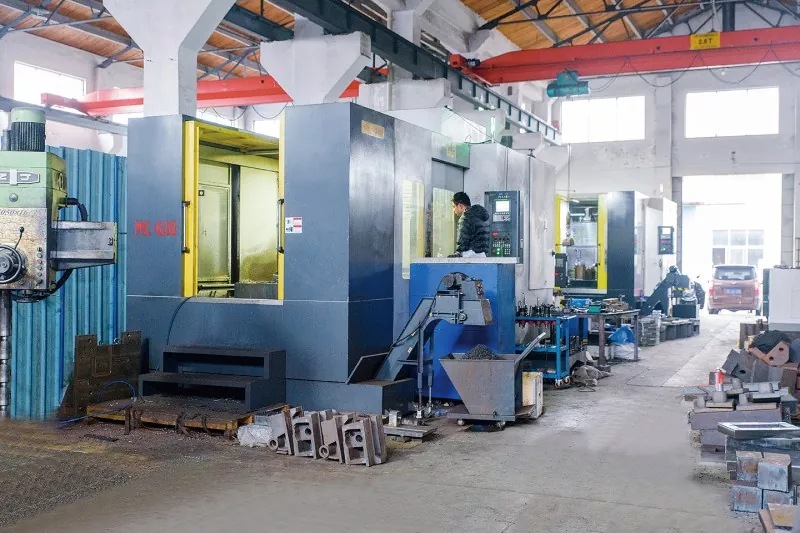
Integrating turnkey solutions into your business workflow can dramatically simplify complex operational processes. By consolidating multiple functions into a single, cohesive system, companies reduce the need for juggling disparate tools and manual interventions. This unified approach not only cuts down on time-consuming tasks but also minimizes errors that often arise from transferring data between different platforms, leading to smoother day-to-day operations.
A key advantage of these integrated solutions lies in their ability to adapt to unique organizational needs without requiring extensive customization. Unlike off-the-shelf products that might force a one-size-fits-all model, turnkey systems are designed to be flexible, allowing for seamless integration with existing infrastructure. This means businesses can maintain their core workflows while enhancing efficiency, fostering a more agile and responsive operational environment that can quickly pivot in response to market changes or internal demands.
Ultimately, adopting such solutions empowers teams to focus on strategic initiatives rather than getting bogged down by administrative overhead. With streamlined processes in place, employees can dedicate more time to innovation and customer engagement, driving overall growth. This holistic improvement in operational fluidity not only boosts productivity but also enhances satisfaction across the board, from management to frontline staff, creating a more resilient and forward-thinking organization.
Navigating the Road to Success in China's Market Environment
China's market environment presents a dynamic landscape where adaptability is key to thriving. Companies often find that embracing local nuances—from consumer preferences to regulatory frameworks—can unlock significant growth opportunities. By integrating cultural insights with innovative strategies, businesses can navigate complexities more effectively and build lasting connections in this competitive arena.
Success in China doesn't just depend on traditional business models; it requires a blend of agility and foresight. Many enterprises have leveraged digital transformation and localized partnerships to stay ahead, tailoring their approaches to meet evolving demands without losing sight of core values. This journey involves continuous learning and adjustment, as the market's rapid changes demand proactive rather than reactive decision-making.
Ultimately, navigating this road to success means balancing global standards with local execution, fostering trust through transparency and consistency. Those who invest in understanding the unique socio-economic drivers can turn challenges into advantages, carving out a sustainable presence in one of the world's most influential markets.
Key Benefits of Adopting Turnkey Strategies in China
Adopting turnkey strategies in China offers businesses a streamlined approach to market entry, reducing operational complexities and minimizing risks associated with local regulations and cultural nuances. By partnering with experienced turnkey providers, companies can leverage established infrastructure and expertise, allowing them to focus on core competencies rather than navigating bureaucratic hurdles. This approach not only accelerates time-to-market but also enhances adaptability, ensuring smoother transitions and quicker returns on investment in a dynamic economic landscape.
Moreover, turnkey strategies provide access to specialized knowledge and networks that are crucial for success in China's diverse and competitive market. Providers often have deep insights into regional consumer behaviors, supply chain dynamics, and regulatory updates, enabling businesses to tailor their offerings more effectively. This localized support helps in building stronger brand presence and customer trust, while also mitigating common pitfalls like compliance issues or inefficient logistics, fostering sustainable growth and long-term partnerships.
Additionally, embracing turnkey solutions in China can lead to cost efficiencies and scalability advantages. By outsourcing non-core functions such as manufacturing, distribution, or administrative tasks to trusted partners, companies can optimize resource allocation and reduce overhead costs. This allows for flexible expansion into new regions or product lines without significant capital investment, ensuring agility in responding to market shifts and opportunities. As a result, businesses can achieve a competitive edge, driving innovation and profitability in one of the world's largest economies.
Overcoming Challenges with China's Turnkey Approach
China's turnkey approach has become a popular model for infrastructure and technology projects worldwide, but it's not without its complexities. In my experience working with multinational firms, the biggest hurdle often lies in bridging cultural and regulatory gaps. For instance, while Chinese contractors excel at delivering comprehensive solutions from design to operation, Western partners sometimes struggle with the pace and decision-making hierarchy. To overcome this, companies have started embedding local liaison teams early on, fostering smoother communication and faster approvals. This proactive adaptation has proven key to minimizing delays and cost overruns in joint ventures.
Another challenge that frequently surfaces is the integration of Chinese technology with existing global systems. Instead of viewing this as a barrier, forward-thinking organizations are turning it into an opportunity. They're investing in pilot phases and modular implementations, allowing for gradual adjustments and feedback loops. I've seen projects where this iterative approach not only enhanced compatibility but also spurred innovation, leading to hybrid solutions that outperform original expectations. By focusing on flexibility and co-development, stakeholders can leverage China's strengths while maintaining operational coherence.
Lastly, concerns around intellectual property and after-sales support can deter some from fully embracing turnkey deals. However, recent trends show that detailed contractual frameworks and local partnerships are making strides here. By clearly outlining responsibilities and establishing joint maintenance hubs, risks are mitigated. Anecdotes from Southeast Asian energy projects highlight how these measures have built trust, ensuring long-term viability and repeat collaborations. Ultimately, success hinges on viewing challenges not as roadblocks but as catalysts for smarter, more resilient project management strategies.
Future Trends and Innovations in Turnkey Solutions for China
Some of the most exciting developments in China's turnkey solutions landscape involve the integration of cutting-edge technologies like artificial intelligence and the Internet of Things. Companies are increasingly offering smart, connected systems that automate processes from manufacturing to logistics, providing seamless end-to-end experiences. This trend is driven by China's push for industrial upgrades and the demand for efficient, scalable solutions in sectors like e-commerce and infrastructure.
Another key innovation is the rise of modular and customizable turnkey packages, allowing businesses to tailor solutions to their specific needs without the high costs of bespoke development. This approach leverages cloud computing and data analytics to optimize performance and adaptability, making it easier for both local and international firms to operate in China's fast-paced market. Environmental sustainability is also becoming a core component, with solutions incorporating green technologies to meet regulatory standards and consumer preferences.
Looking ahead, we can expect further advancements in areas like blockchain for secure transactions and virtual reality for enhanced training and maintenance in turnkey projects. These innovations not only improve efficiency but also foster collaboration across industries, positioning China as a leader in next-generation turnkey solutions that blend technology with practical, user-focused applications.
FAQ
In China, a turnkey solution typically refers to a complete package where a provider handles all aspects of a project from start to finish, ensuring it's ready for immediate operation without client intervention.
They've accelerated project timelines and reduced risks for foreign investors, boosting sectors like infrastructure and manufacturing by streamlining complex processes.
Industries such as construction, renewable energy, and technology manufacturing frequently use turnkey models for efficiency in large-scale projects.
Chinese turnkey solutions often emphasize cost-effectiveness and rapid deployment, leveraging local supply chains and government support for faster execution.
Issues can include cultural misunderstandings, regulatory hurdles, and ensuring quality control across diverse subcontractors in a fast-paced environment.
By conducting thorough due diligence, establishing clear communication channels, and building long-term relationships based on trust and mutual benefit.
Innovation is key, with providers integrating smart technologies and sustainable practices to enhance efficiency and meet evolving global standards.
They offer a streamlined entry point, reducing the learning curve and operational complexities associated with navigating China's unique market dynamics.
Conclusion
The turnkey model in China offers a comprehensive approach for businesses seeking growth in this dynamic market. By understanding China's unique turnkey framework, companies can streamline operations through integrated solutions that bundle services like setup, compliance, and logistics into one seamless package. This approach helps navigate the complex market environment, turning potential obstacles into structured pathways to success.
Adopting turnkey strategies in China yields key benefits such as reduced time-to-market and enhanced operational efficiency, while also providing tools to overcome common challenges like regulatory hurdles and cultural differences. Looking ahead, future trends and innovations in turnkey solutions will likely incorporate advanced technologies and customized approaches, ensuring that businesses can continue to capitalize on China's evolving landscape for sustained, streamlined success.
Contact Us
Contact Person: Rayna
Email: [email protected]
Tel/WhatsApp: 86 -173 1474 6343
Website: https://www.grmrollingmill.com/