
Vehicle Ozone Machine Supplier: High-Quality Ozone Generators for Automotive Use
2026-10-08
Every detail matters inside a vehicle—especially the air your passengers breathe. As a dedicated vehicle ozone machine supplier, LUFUTATECH engineers high-quality ozone generators that eliminate stubborn odors, bacteria, and allergens at the source. Whether you're detailing a single car or managing a fleet, the right ozone machine transforms stale cabins into fresh, safe environments. Here's what sets our automotive ozone solutions apart.
Why That Car Smell Keeps Coming Back After Cleaning
Most people assume a thorough vacuum and a quick wipe-down should be enough, but the odor lingers because it has soaked into materials you can't see. Carpets, seat foam, and the headliner act like sponges, holding onto moisture and bacteria long after the surface looks clean. Even a small spill that dried on top can leave residue deep in the fibers, and every time the car heats up in the sun, those trapped particles release the smell all over again.
Air vents and the HVAC system are another common hiding spot. As air passes through the evaporator core, condensation forms, creating a damp environment where mold and mildew thrive. You spray air freshener, it smells fine for a day, then the musty odor returns because you never addressed the source inside the ductwork. Without cleaning the evaporator or changing the cabin air filter, you're just masking the problem rather than removing it.
Finally, recurring smells often come from overlooked areas like under the spare tire, inside door panels, or beneath the floor mats. Spilled drinks or wet shoes leave behind sugars and organic matter that bacteria feed on. If you only clean the visible spots, the invisible residue continues to produce odor, making it seem like the smell comes back from nowhere. A truly effective fix means locating and drying every damp or stained layer, not just refreshing the air.
Ozone Targets the Chemical Bonds Behind Odors Instead of Masking Them
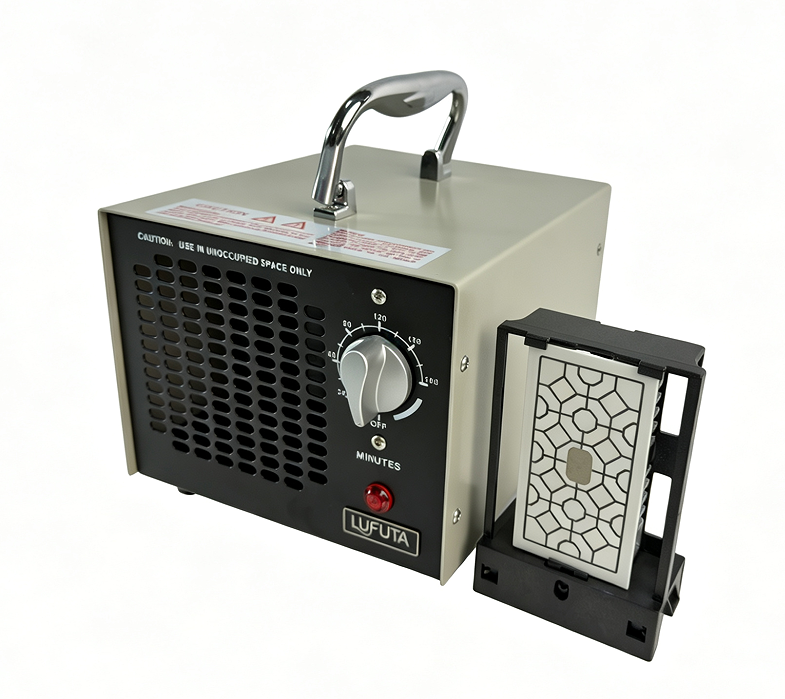
Most air fresheners simply pile a pleasant scent on top of the bad one. Ozone works differently: it hunts down the molecules responsible for the odor and breaks the very bonds that hold them together. When ozone (O₃) comes into contact with odor-causing compounds, the extra oxygen atom tears away from the ozone molecule and binds to the odor molecule. That reaction changes the odor molecule into a new, non-smelling substance. The original smell doesn't get covered up—it gets dismantled at the molecular level.
This process is particularly effective against stubborn organic odors like smoke, pet urine, cooking grease, and mildew. These smells come from complex carbon-based molecules that often contain double bonds or sulfur groups. Ozone is highly reactive with these structures. A single ozone treatment can destroy the chemical source of an odor that would survive dozens of scrubbings or maskings. That's why professional restoration teams use ozone generators after fires or floods: no amount of perfume can remove the smell of charred wood, but ozone can break the carbon chains and eliminate it permanently.
There's a catch: ozone itself is a lung irritant, so the treatment requires an empty room and time for the gas to dissipate. But for anyone who has tried masking a deep odor and failed, the difference is night and day. Masking leaves the original molecules intact, ready to reassert themselves. Ozone actually removes them from the equation. The result isn't a room that smells like lemon over garbage—it's a room that doesn't smell like garbage at all.
The Most Important Spec to Check When Sourcing Ozone Generators
Ozone output, measured in grams per hour, is the first number most buyers look at, but the real trap is ignoring how that output drops as the unit heats up. A generator might deliver 10 g/h on paper, yet after 30 minutes of continuous operation it could be producing half that. If you need steady disinfection for a large water tank or a whole-room air treatment, you will notice the difference quickly. Always ask for the output curve at typical operating temperatures, not just the cold-start rating.
Concentration is another spec that quietly determines usefulness. Ozone at 1% concentration behaves very differently from 5% or 10%. For shock treatments in unoccupied spaces, high concentration lets you run shorter cycles and reach deeper into porous materials. For continuous low-level air purification in occupied rooms, you actually want lower concentration with controlled release. Mismatching concentration to your target application wastes energy and often creates false confidence in the disinfection result.
Adjustability tends to get skipped because it feels like a luxury feature, but it can make or break a purchase. A fixed-output ozone generator forces you to accept whatever dose it delivers, which is rarely ideal for both small bathroom treatments and large basement remediation. Models with a dial, digital timer, or even simple high/low switch give you the flexibility to fine-tune the treatment without buying multiple machines. That single adjustability feature often separates a tool you will actually use from one that ends up gathering dust.
A Proper Waiting Period Protects Both Interiors and People
Rushing back into a freshly painted room or walking on floors that haven't fully cured often leads to scuffs, smudges, and a finish that fails long before it should. A proper waiting period gives coatings and sealants the time they need to harden at their own pace, so the surface you worked hard on doesn't get ruined by impatience.
That same pause also protects the people who live or work in the space. Many paints, adhesives, and cleaning agents release odors and compounds that fade as the material dries. Allowing enough hours—or sometimes days—before returning keeps those irritants out of your lungs and gives fresh air a chance to do its job.
The exact wait depends on the product and the room, but the principle stays the same: if you can smell it or feel a slight tack, it's not ready. A little restraint now saves you from repainting, refinishing, or dealing with headaches later.
Common Handling Mistakes That Undo an Ozone Treatment
A common error is cutting the saturation phase short. Ozone needs time to build up and reach all the porous surfaces where odors hide, but many people open windows or switch on fans after only ten or fifteen minutes. That might knock down the smell on the surface while leaving the deeper source untouched, so the problem returns within a day or two.
Treating ozone like a quick air freshener also backfires. A small generator running for half an hour in a large, carpeted room will not penetrate the padding or upholstery where contaminants are trapped. You have to match the machine's output to the actual volume of the space and give the gas enough exposure time to work through the materials, not just float above them.
Moisture and temperature are often overlooked. High humidity can reduce ozone's effectiveness and encourage unwanted byproducts, while a cold room slows the oxidation reaction. Let the space dry out and keep it near normal room temperature before starting, otherwise the treatment loses much of its punch and may need to be repeated sooner than expected.
Simple Upkeep Steps That Preserve Ozone Output Over Time
It's easy to assume a drop in ozone output means the unit is wearing out, but in my experience the real culprit is almost always dust or humidity on the corona discharge plates. A quick weekly wipe with a dry, soft cloth can prevent that gradual loss before it starts. No need for cleaning sprays—just a habit of keeping the inside free of buildup.
Once every two weeks, unplug the generator and check the intake filter. If it looks gray or clogged, replace it or rinse it thoroughly and let it dry completely before putting it back. Use a soft brush on the ceramic plate; avoid touching it with bare fingers because skin oil leaves a film that reduces ozone production. And store the unit in a dry place, since moisture is the fastest way to dull the output.
For longer-term care, give the fan and internal wiring a quick monthly look. A fan that's slowing down will lower output even if the plate is clean, so listen for any change in pitch or rattling. If output still seems weak after cleaning, check the plate for tiny cracks or white deposits—those often mean it's time for a replacement plate rather than a whole new machine.
FAQ
It produces ozone (O3), which reacts with odor-causing compounds through oxidation. Instead of covering up smells like sprays, it breaks down smoke residue, mold spores, and bacteria embedded in upholstery, carpets, and air vents. Once the ozone dissipates, it reverts to ordinary oxygen, leaving no chemical perfume behind.
Short, controlled treatments are generally safe for leather, rubber, and dashboard electronics. The key is not to overdo it: excessive ozone over many hours can dry out leather or degrade rubber seals. A quality unit with a timer and adjustable output helps you keep exposure within a safe range, and you should always air out the car before driving.
For a standard sedan, 20 to 45 minutes is usually enough for odor removal, depending on how strong the smell is. Very heavy contamination such as long-term smoke or mildew may need a second 30-minute session rather than one long blast. After treatment, open all doors and let the car ventilate for at least 30 minutes.
Yes, ozone can reach areas that surface cleaning cannot, such as inside seat foam, headliner fabric, and HVAC ducts. Old smoke and pet odors often require two or three sessions because the ozone needs to penetrate deep layers, but it can neutralize the source rather than just reducing the smell temporarily.
Look for a stainless steel or ceramic ozone plate, an accurate timer, and a fan strong enough to circulate ozone through the cabin. Cheap units often exaggerate their output and fail within months. A reliable supplier will list the actual mg/h output and include safety instructions, which matters more than a flashy case.
No formal training is required, but you do need to follow basic precautions. Remove people, pets, and plants from the vehicle, set the timer, close the doors, and do not enter during treatment. Once the unit stops, wait for the ozone to break down before opening the car. Reading the manual takes a few minutes and prevents most mistakes.
A specialized supplier usually offers machines sized for automotive interiors, with the right output and accessories such as a 12V adapter or longer power cord. They also tend to provide clearer guidance on treatment times and maintenance, which reduces the chance of buying an underpowered or oversized unit that wastes your money.
Conclusion
Most detailers have been there: you shampoo the carpets, wipe down every surface, and yet a week later that stale, sour note creeps back into the cabin. The reason is simple—most cleaning products only reach what you can see or touch, while odor molecules stay trapped in foam, headliner fibers, and ventilation ducts. A high-output ozone generator changes that because ozone (O₃) reacts directly with the chemical bonds inside odor-causing compounds, breaking them apart instead of covering them with fragrance. When sourcing from a vehicle ozone machine supplier, the one spec that matters most is ozone output in milligrams per hour, not fan speed or housing size. A machine rated too low will need excessive run times and still fail on deep-seated smells, while a properly matched output lets you treat a sedan or SUV in one session without guessing.
After the cycle ends, waiting matters as much as the treatment itself. Ozone needs time to revert to ordinary oxygen, so plan for a dissipation period before anyone enters the vehicle—rushing this step can irritate the lungs and leave a harsh residual odor. It is also easy to undo the work: leaving wet floor mats or a full trash bin inside before running the machine gives odor sources a chance to rebound, and operating the generator in an occupied space is never acceptable. Long-term performance comes down to simple upkeep. Keep the ozone plate or corona cell dry and free of dust, check the internal fan for hair and debris, and store the unit in a clean, low-humidity area. These habits preserve the generator’s output and keep your automotive treatments consistent month after month.
Contact Us
Contact Person: Paul Luo
Email: [email protected]
Tel/WhatsApp: 0086-19966314501
Website: https://www.lufutatech.com