

VoWiFi & VoLTE Deployment: How to Choose the Best Supplier for Carrier-Grade Voice Services
2026-05-20
When rolling out VoWiFi and VoLTE, carrier-grade voice isn’t just about codecs and packets—it’s about keeping calls alive in basements, subways, and rural dead zones where users still expect five-bar reliability. Picking the right infrastructure supplier makes or breaks that promise. That’s why so many operators are digging deeper into how IPLOOK tackles the real-world snags that generic vendors gloss over. If you’re ready to stop babysitting dropped calls and start closing coverage gaps that actually matter, this guide unpacks what to look for under the hood.
Why Voice Quality Still Reigns Supreme in Carrier Deployments
Mobile users have grown accustomed to crisp, uninterrupted conversations, whether on a simple voice call or a feature-rich video conference. Even as data services expand, voice remains the anchor that defines how customers perceive network reliability. A dropped syllable or a garbled phrase can instantly erode trust, pushing subscribers to consider competitors who prioritize clarity.
Carriers know that voice quality is the unsung hero of customer retention. In an era where apps and messaging offer countless alternatives, the core telephony experience still holds immense sway for business communications and emergency calls. When voice falters, it sends a message that the network is fragile, making every other service seem less dependable by association.
This fixation on voice isn’t nostalgia—it’s a practical reflection of how harsh the marketplace can be. A network’s reputation thrives on those moments when a grandmother hears her grandchild’s laughter without distortion or a remote worker closes a deal free of stutters. Operators that overlook this truth risk fading into the background, no matter how fast their data speeds climb.
Beyond the Spec Sheet: Real-World Reliability Metrics
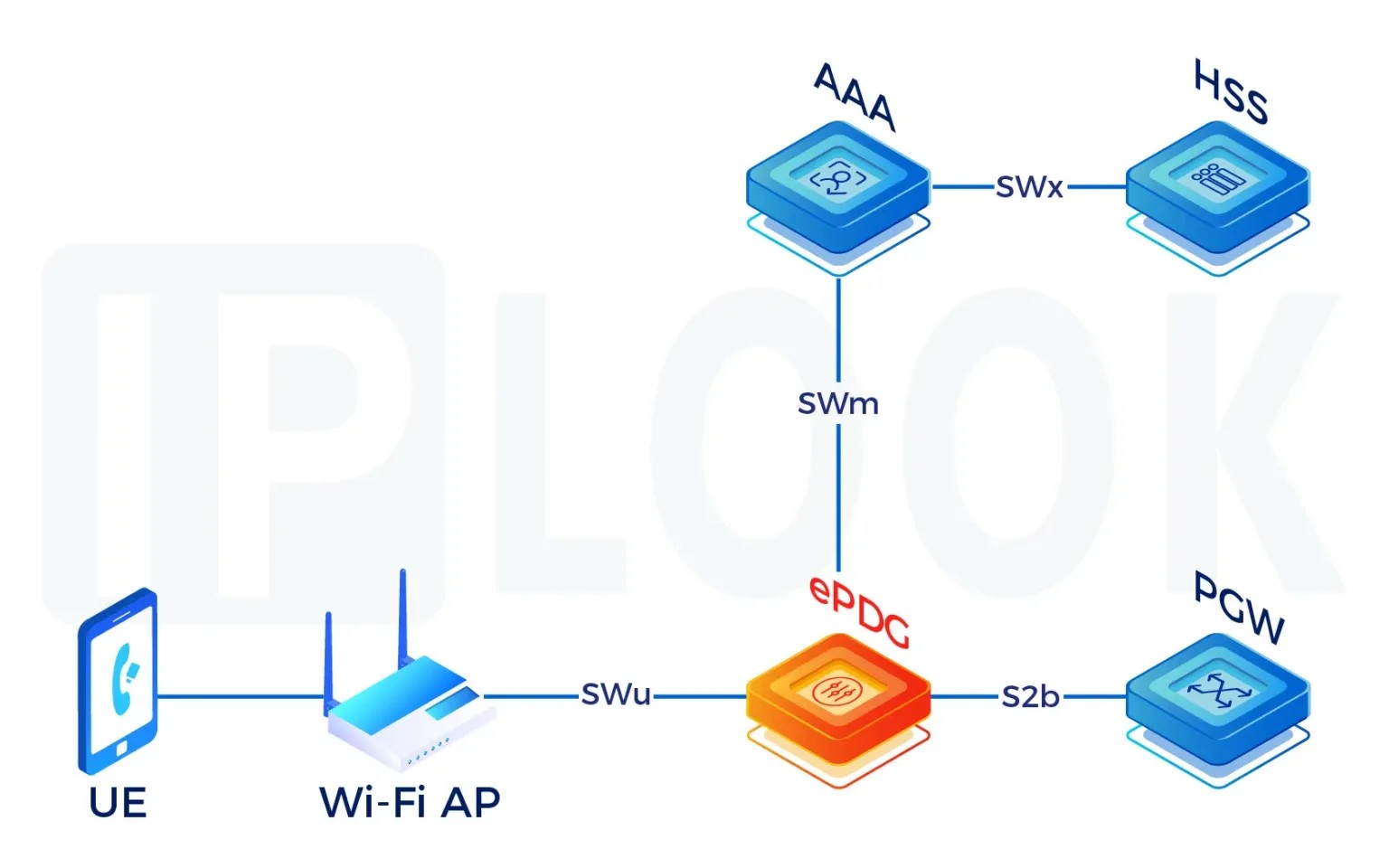
Spec sheets have long promised durability and uptime, but real-world reliability rarely follows the script. Field data reveals that metrics like mean time between failures often crumble under unpredictable workloads, environmental stressors, or overlooked maintenance cadences. The true test lies not in lab benchmarks but in how hardware and software hold up when subjected to chaotic, everyday demands.
Savvy engineers now lean on operational evidence—tracking failure clusters, degradation patterns, and user-reported issues across entire fleets. This shifts the focus from theoretical limits to practical endurance, highlighting that a device’s reputation is earned through consistent, glitch-free performance under genuine conditions rather than artificial accelerations.
Ultimately, blending telemetry with qualitative feedback creates a richer reliability picture. It uncovers subtle flaws that spec sheets mask, like intermittent connectivity or thermal throttling after months of use. This holistic view helps teams anticipate failures before they happen, turning reliability from a marketing bullet point into an operational asset.
Reading Between the Lines of Vendor Roadmaps
Vendor roadmaps are carefully crafted narratives, blending genuine planning with the art of persuasion. They often highlight aspirational goals as if they were firm commitments, using optimistic timelines that assume everything goes perfectly. To truly understand where a product is heading, you need to look past the glossy slides and ask what’s not being said—which features are conspicuously absent, where the language turns vague, and how the roadmap aligns with the vendor’s revenue priorities rather than just customer needs.
The wording itself is a goldmine of hidden meaning. Terms like “on our radar” or “under consideration” are polite placeholders, not promises, while “planned” might mean it’s on a list that’s subject to change. Pay attention to dependencies: if a breakthrough feature hinges on an emerging technology that’s still immature, the timeline is almost certainly fiction. Smart evaluators compare roadmaps against the vendor’s execution history—have they consistently hit dates, or do delays drag on? They also watch for sudden shifts in emphasis that signal a change in strategy the vendor isn’t ready to announce.
External pressures often shape roadmaps more than internal innovation does. A competitor’s move, a shift in market demand, or a major customer’s request can quietly reprioritize months of work. By tracking the vendor’s past reactions to such events, you can predict where attention will actually go, not just where the roadmap points. The most valuable insights come from connecting these dots, recognizing that a roadmap is a living document designed to manage expectations as much as to guide development.
The Hidden Costs of Carrier Voice: What You're Not Being Told
Most businesses assume their voice carrier charges are straightforward—minutes used, features tacked on, maybe a few taxes. But dig deeper and you'll spot charges for things like DID numbers that sit idle, porting fees that multiply without warning, and compliance surcharges buried in the fine print. One company we worked with discovered they were paying for 200 unused lines at eight bucks apiece each month, simply because their provider never told them those numbers weren't active.
Then there's the murky world of usage-based pricing tiers. Carriers often lure you in with a low per-minute rate that only applies when you hit a certain volume. Fall short and you're bumped into a higher bracket retroactively, or stuck paying for minimum commitments you never actually use. Call quality can become a hidden liability too—when carriers prioritize traffic over voice clarity, your team wastes hours repeating themselves, and you lose deals over garbled conversations.
Don't overlook the contract traps. Auto-renewal clauses, early termination penalties, and bundled services that are nearly impossible to untangle can lock you in long after you've outgrown the solution. And when things go wrong—outages, billing disputes—the support team is often designed to upsell rather than resolve. These aren't technical glitches; they're baked into the business model.
Making It All Work Together: The Integration Puzzle
Bringing disparate systems into a unified whole rarely unfolds like a neat diagram. Early assumptions about compatibility unravel when you discover that the CRM’s data format doesn’t map neatly to the billing platform, or that real-time inventory updates trigger race conditions no one anticipated. These moments aren’t failures of planning—they’re the natural friction of connecting tools that were never designed to speak the same language.
What actually works is treating integration as a living negotiation rather than a one-time handshake. Instead of chasing a flawless monolithic architecture, teams often find more mileage in lightweight adapters, event-driven bridges, and pragmatic compromises on data freshness. The goal shifts from perfect consistency to graceful degradation—where a delayed stock count is acceptable, but a wrong one isn’t. This mindset lets you absorb change without rewriting the connective tissue each time a vendor updates their API.
The real puzzle piece is rarely technical. It’s the agreement on what “working together” means for the people who rely on these systems daily. When sales, support, and operations define shared truths—like a customer record that syncs within five minutes instead of instantly—the integration becomes sturdy not because the code is elegant, but because the expectations align. That alignment is what keeps the whole thing from quietly drifting apart over time.
Security and Compliance: The Non-Negotiables
Neglecting security is like building on sand—sooner or later, the ground gives way. In today's interconnected world, compliance isn't a box-ticking exercise; it's the baseline for trust. Data breaches, whether from human error or malicious intent, erode years of hard-earned reputation in a matter of hours. That's why security measures must be woven into the fabric of operations, not bolted on as an afterthought. From encryption protocols that guard data at rest and in transit to stringent access controls that limit who sees what, every layer matters. Real security is about anticipating threats before they materialize, not just cleaning up after a breach hits the headlines.
Compliance frameworks often get a bad rap for being cumbersome, but they're essentially a shared language of accountability. Whether it's GDPR, HIPAA, or SOC 2, these standards exist because the cost of failure is measured in more than fines—it's about the people whose data is at stake. Smart organizations don't treat audits as a necessary evil; they use them to sharpen their own practices. Regular penetration testing, transparent logging, and incident response plans should be as routine as a morning stand-up. When something does go wrong—and it will, sooner or later—teams need the muscle memory to respond swiftly, communicate clearly, and prevent the same issue from recurring. That kind of readiness doesn't come from a checklist; it comes from a culture that values resilience over convenience.
Ultimately, security and compliance aren't roadblocks to innovation—they're the guardrails that keep things on track. The best solutions are those where users barely notice the protection woven into their experience, yet any attempt to breach it is met with silent, unyielding resistance. It's about making the right thing the easy thing: designers and developers who understand threat models, executives who champion long-term investment over quick fixes, and customers who trust that their data is handled with the care it deserves. In a landscape where one slip can cascade into a full-blown crisis, the only viable strategy is to embed these principles so deeply that they become second nature.
FAQ
Look for a track record with IMS core deployments, seamless end-to-end QoS enforcement across access networks, and robust handover mechanisms between VoLTE and VoWiFi without call drops. They need to show deep experience with ePDG, PCRF integration, and support for voice codecs like EVS under real-world conditions.
Request evidence from live networks of similar scale, not just lab simulations. Ask for detailed KPIs around call setup success rates, post-dial delay, and mean opinion scores during overload scenarios. A supplier that shares their stress-test methodology and lets your team run independent validation is worth trusting.
Interoperability with legacy 2G/3G circuit-switched fallback, lawful intercept requirements, and emergency calling location accuracy are frequent pain points. Push the vendor to explain their approach to multi-vendor RAN and packet core environments—real horror stories come from subtle protocol mismatches that only surface after launch.
It depends on your existing ecosystem. Large vendors offer turnkey convenience but can lock you into proprietary extensions. Specialized players often provide more flexibility, faster feature evolution, and better focus on voice quality. Weigh their roadmap alignment with your own service differentiation goals, not just the upfront sticker price.
It’s becoming a must-have for future agility. A cloud-native IMS with microservices lets you scale each function independently, roll out updates faster, and reduce hardware dependencies. However, don’t be swayed by marketing alone—verify that their containerized solutions perform under telco-grade latency and reliability demands, including hitless upgrades.
Can their solution pinpoint whether degradation originates at the device, access network, or core? Ask for real-time per-call tracing, end-to-end packet loss analytics, and automated root cause analysis. The best suppliers have tools that your first-line NOC engineers can actually use without escalating to vendor support each time.
Ensure the vendor’s roadmap includes native support for Voice over New Radio, 5G Standalone integration, and interworking with non-3GPP access like satellite. Also check their commitment to ongoing codec advancements and AI-driven network optimization, because the voice platform you buy now needs to evolve without a full forklift upgrade in three years.
Conclusion
When deploying VoWiFi and VoLTE, carriers quickly discover that voice quality is the bedrock of subscriber satisfaction. Spec sheets may boast impressive figures, but the real test lies in how services perform under congestion, handover scenarios, and diverse device ecosystems. Beyond laboratory benchmarks, savvy operators scrutinize field reliability metrics—dropped call rates, jitter, and Mean Opinion Scores gathered from live networks. They also read between the lines of vendor roadmaps, distinguishing genuine innovation from marketing gloss, knowing that a supplier's long-term commitment to voice evolution can make or break their investment.
The financial picture is equally nuanced: hidden costs lurk in licensing models, interoperability testing, and ongoing optimization. Integration with existing IMS cores, policy engines, and OSS/BSS systems often becomes a puzzle that requires significant customization. Meanwhile, security and compliance can never be afterthoughts; robust encryption, lawful intercept capabilities, and fraud protection are table stakes. Ultimately, selecting the best supplier means looking past initial pricing and flashy features to find a partner that delivers seamless integration, transparent economics, and unwavering focus on what matters most: crystal-clear, reliable voice that subscribers can trust, anywhere and anytime.
Contact Us
Contact Person: Shimmy
Email: [email protected]
Tel/WhatsApp: 85253392231
Website: https://www.iplook.com