
What Is Wear Resistant Steel Plate & How to Choose?
2026-09-14
In industrial settings where machinery faces relentless friction and impact, the material you choose can make or break operational efficiency. Wear resistant steel plates are the unsung heroes in these high-stakes environments, offering durability that withstands the toughest challenges. But with so many options available, selecting the right one can feel like navigating a maze. This blog delves into the essentials: what makes wear resistant steel plates so effective, and how to pick the perfect grade for your specific needs. Whether you're a seasoned engineer or new to material selection, you'll find insights that could transform your projects. Let's uncover the secrets behind these robust materials and guide you toward smarter, more resilient choices.
Understanding Wear Resistant Steel Plate: Key Features and Benefits
When diving into wear resistant steel plates, one of the standout features is their exceptional hardness, often ranging from 350 to 700 HB (Brinell hardness). This high hardness is achieved through specialized alloying elements like chromium, molybdenum, and boron, which are carefully balanced during production. Unlike standard steel, these plates are designed to withstand abrasive environments, such as in mining equipment or construction machinery, where surfaces are constantly subjected to friction and impact. This durability not only extends the lifespan of the equipment but also reduces maintenance downtime, offering a cost-effective solution for industries that rely on heavy-duty operations.
Beyond hardness, another key benefit of wear resistant steel plates is their impressive toughness, which prevents brittle failure under stress. Through advanced heat treatment processes, manufacturers ensure that these plates maintain a fine balance between hardness and ductility, allowing them to absorb shocks without cracking. This makes them ideal for applications like dump truck bodies, hoppers, and conveyor systems, where sudden loads and vibrations are common. Additionally, their weldability and machinability are often enhanced with specific grades, enabling customization for various project needs while reducing installation complexities on-site.
In practical terms, choosing wear resistant steel plates can lead to significant operational advantages, such as lower replacement costs and improved efficiency. For example, in the agricultural sector, these plates can protect machinery from soil abrasion, leading to smoother operations and higher productivity. Moreover, their environmental impact is minimized due to longer service life, reducing waste and resource consumption. By understanding these features and benefits, industries can make informed decisions to optimize performance, potentially boosting profitability and safety in demanding working conditions.
Factors to Consider When Choosing the Right Wear Resistant Steel Plate
Selecting the correct wear resistant steel plate involves a careful balance between multiple key factors, with hardness and toughness being at the forefront. Hardness, often measured on the Brinell or Rockwell scales, determines resistance to abrasion, but an overly hard plate can become brittle and prone to cracking under impact. Conversely, toughness refers to the material's ability to absorb energy without fracturing, crucial for applications involving heavy loads or shock. By understanding the specific environmental stresses a plate will face, you can prioritize these properties to avoid premature failure and extend service life dramatically.
Another critical aspect is the composition of the steel, particularly the levels of elements like carbon, manganese, and chromium. Higher carbon content generally boosts hardness, but it may reduce weldability and formability. Manganese enhances toughness and work-hardening capabilities, making it suitable for high-impact scenarios, while chromium adds corrosion resistance, which is beneficial in harsh or humid conditions. Tailoring the alloy mix to match the operational demands ensures that the plate performs reliably without compromising on fabrication processes or requiring excessive maintenance.
Beyond material properties, practical considerations such as thickness, surface finish, and cost-effectiveness play a significant role in the decision-making process. Thicker plates offer greater durability but add weight and expense; thus, it's vital to estimate wear rates and choose a thickness that provides adequate protection without over-engineering. A smooth surface finish can reduce friction and material buildup, enhancing efficiency in conveyor systems or chutes. By evaluating these factors holistically, rather than focusing solely on initial price, you can achieve a solution that minimizes downtime and total ownership costs over the long term.
Our Products
Applications and Uses of Wear Resistant Steel Plate in Various Industries
Wear resistant steel plate, often called abrasion-resistant or AR plate, plays a critical role in industries where equipment faces extreme friction and impact. In mining, for instance, it's used to line chutes, hoppers, and buckets, significantly reducing downtime caused by material abrasion. The durability of these plates ensures that heavy machinery can handle rough ores and minerals without frequent replacements, boosting operational efficiency in harsh environments.
In construction and earthmoving, wear resistant steel is a game-changer for applications like bulldozer blades, excavator buckets, and conveyor systems. Its ability to withstand constant scraping against rocks, soil, and debris means less maintenance and longer service life, which directly translates to cost savings on projects. Beyond that, it enhances safety by maintaining structural integrity under stress, preventing unexpected failures that could lead to accidents.
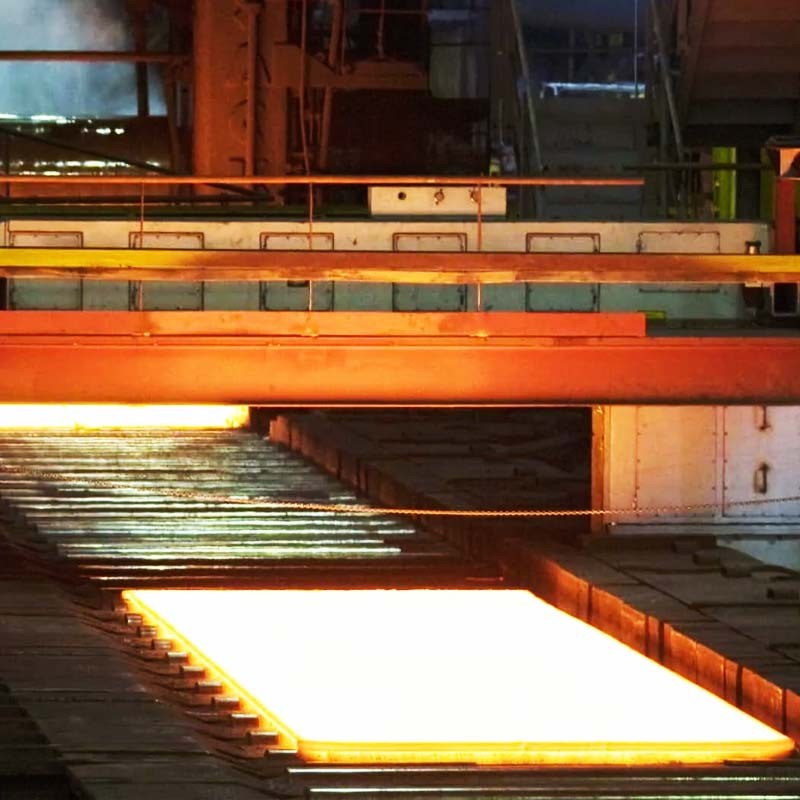
Manufacturing sectors, such as steel production and recycling, also rely heavily on this material. In steel mills, it's applied to equipment like skids and guides that handle hot metal, resisting wear from high temperatures and abrasive slag. For recycling facilities, it protects shredders and sorting lines from damage by hard materials, ensuring smooth, continuous operations. This versatility makes wear resistant steel plate an unsung hero across diverse fields, quietly extending the lifespan of machinery where traditional metals would quickly degrade.
Comparing Different Grades of Wear Resistant Steel Plate for Your Needs
When selecting wear-resistant steel plates, it's crucial to understand how different grades impact performance in real-world applications. Not all steel is created equal; variations in hardness, toughness, and alloy composition determine suitability for specific environments. Lower-grade plates might suffice for moderate abrasion, while high-grade options excel under severe mechanical stress, offering extended service life in mining or construction equipment.
Consider factors like impact resistance and weldability alongside hardness ratings. Some grades balance durability with ease of fabrication, reducing downtime during repairs. By matching the steel grade to your operational demands—whether handling heavy loads or resisting chemical corrosion—you optimize both cost-efficiency and safety, ensuring your machinery withstands wear without frequent replacements.
Insights from industry case studies reveal that tailored grade choices can cut maintenance costs by up to 30%, emphasizing the value of a nuanced approach. Rather than defaulting to the hardest steel, assess environmental conditions and load cycles to select a plate that delivers longevity without unnecessary expense, keeping your projects on track.
Maintenance Tips and Best Practices for Durability and Longevity
Let's dive into the essentials of keeping things in top shape for the long haul. First off, regular inspections are your best friend—think of them as proactive check-ups that catch minor issues before they balloon into major headaches. Whether it's tightening loose bolts, cleaning out debris, or checking for wear and tear, a little attention goes a long way. Tailor your routine to the specific item; for example, mechanical parts might need lubrication every few months, while electronic devices thrive with dust-free environments.
When it comes to materials and usage, think about the conditions your equipment or structure faces daily. Exposure to harsh weather, heavy loads, or frequent use can accelerate wear, so adapt your maintenance strategies accordingly. Use quality parts and recommended cleaners—cheap alternatives might save a buck now but can lead to costly repairs down the line. Don't forget about documentation: keeping a simple log of maintenance dates and actions helps track patterns and predict future needs.
Finally, embrace a mindset of care and foresight. Longevity isn't just about fixing things when they break; it's about nurturing them through smart habits. Avoid overloading or misusing items, store them properly when not in use, and educate users on best practices. By integrating these tips into your routine, you'll not only extend lifespan but also enhance performance and safety, making maintenance a rewarding part of ownership.
Contact Us for Expert Guidance and Customized Wear Resistant Steel Plate Solutions
When it comes to navigating the complexities of wear resistant materials, you need more than just off-the-shelf products. That's where our team steps in. Reach out to us, and we'll delve into your specific challenges—whether you're dealing with heavy abrasion, impact loads, or extreme environments. We'll work closely with you to understand your operational needs, budget constraints, and long-term goals, ensuring we tailor a solution that fits perfectly without any unnecessary compromise.
What sets our approach apart is the depth of expertise we bring to the table. Our specialists have years of hands-on experience across industries like mining, construction, and manufacturing, allowing us to offer insights that generic suppliers might miss. By contacting us, you gain access to personalized consultations where we analyze factors like material composition, thickness, and fabrication techniques, crafting steel plates that not only meet but exceed durability expectations, helping you reduce downtime and maintenance costs effectively.
Don't settle for one-size-fits-all solutions that could leave gaps in your protection. Instead, take the proactive step of reaching out to us today. We'll collaborate to develop customized wear resistant steel plates that are precisely engineered for your unique applications, backed by ongoing support to ensure optimal performance. This partnership-focused model means you get a reliable ally in enhancing equipment longevity and operational efficiency.
FAQ
Wear resistant steel plate is a type of high-strength steel designed to withstand abrasion, impact, and wear in harsh environments, commonly used in industries like mining, construction, and manufacturing to extend equipment lifespan.
Higher hardness in wear resistant steel plate typically means better resistance to abrasion and scratching, but it can also make the material more brittle; thus, balancing hardness with toughness is crucial for optimal durability in specific applications.
Common grades include AR400, AR500, and AR600, which denote the Brinell hardness levels, with higher numbers indicating harder plates suitable for more severe wear conditions.
Consider factors like the type of wear (abrasion, impact, or both), operating environment, required thickness, and budget to select a grade that matches your specific needs, such as AR400 for moderate wear or AR600 for extreme conditions.
Yes, but it requires special techniques due to its high hardness; preheating and using appropriate filler materials can help prevent cracking during welding, while specialized tools are often needed for cutting.
Industries like mining, agriculture, construction, and material handling benefit greatly, as these sectors involve heavy machinery and equipment exposed to constant abrasion and impact.
Thicker plates offer better protection against deep wear and impact, but they may add weight and cost; thinner plates can be effective for lighter applications, so choose based on the expected wear depth and load.
Conclusion
Wear resistant steel plate, commonly referred to as abrasion-resistant steel, is a specialized material engineered to withstand high levels of friction, impact, and wear in demanding environments. Unlike standard steel, it typically incorporates alloys like chromium, carbon, and boron to enhance hardness and durability, making it ideal for applications where surfaces face continuous abrasion. Key features include exceptional toughness, which prevents cracking under stress, and a high Brinell hardness rating that resists deformation. Benefits extend beyond longevity, offering cost savings through reduced maintenance and downtime, as well as improved safety in industrial settings by minimizing wear-related failures. This steel is a critical component in sectors like mining, construction, and manufacturing, where equipment durability directly impacts operational efficiency.
Choosing the right wear resistant steel plate involves evaluating several factors to match specific needs. First, assess the application's requirements, such as the type of abrasion (e.g., sliding, impact, or gouging) and environmental conditions like moisture or temperature extremes. Different grades, such as AR400, AR500, or AR600, vary in hardness and toughness; for instance, AR400 offers a balance for general use, while AR500 is better for high-impact scenarios. Consider factors like thickness, which affects load-bearing capacity, and compatibility with welding or fabrication processes to avoid compromising performance. Maintenance practices, such as regular inspections and proper handling, can extend lifespan, while consulting experts ensures customized solutions tailored to unique challenges. Ultimately, informed selection based on these aspects maximizes durability and cost-effectiveness, making it a strategic choice for long-term operational success.
Contact Us
Contact Person: Zoe Liang
Email: [email protected]
Tel/WhatsApp: 86 189 2128 6299
Website: https://www.baowuchina.com